
Reading Your Owner's Manual: The Maintenance Schedule Section Explained
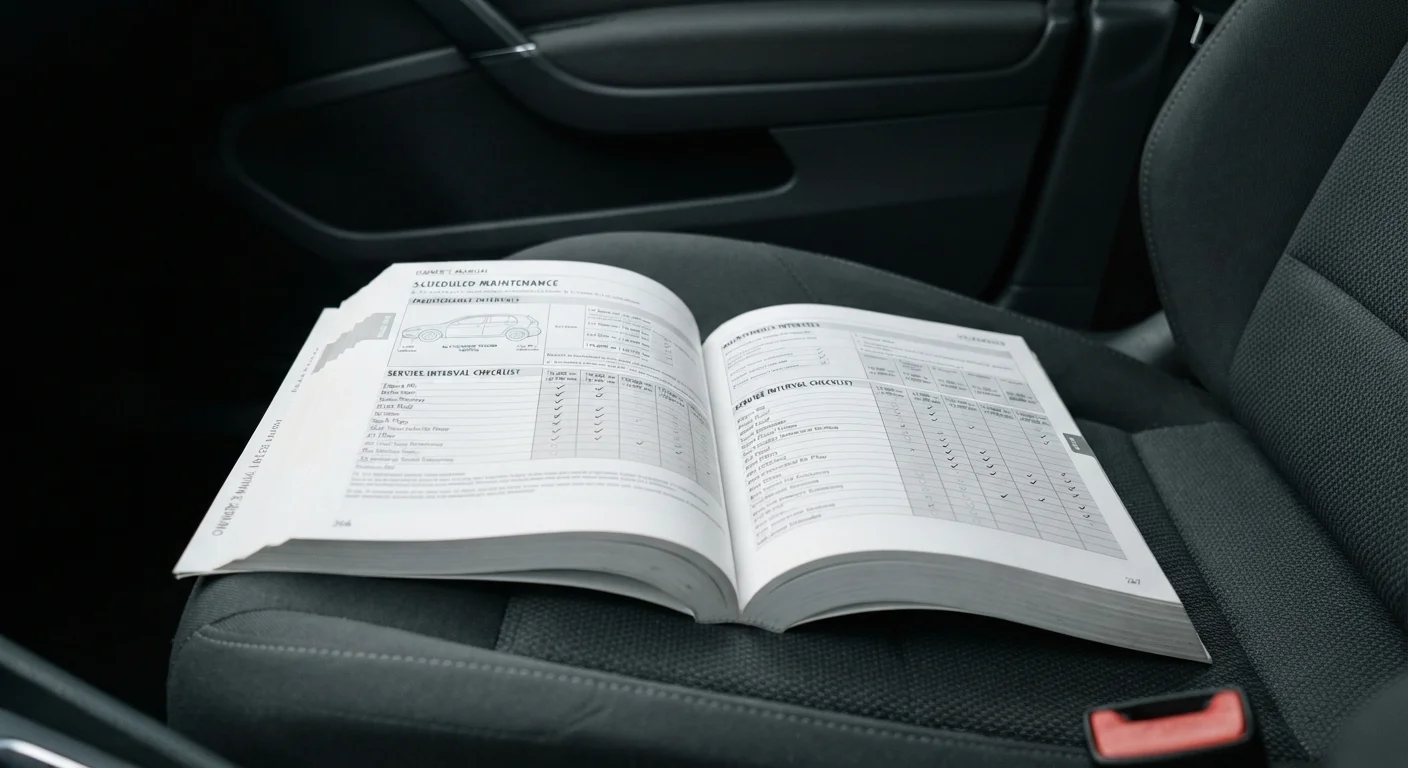
Photo credit: Wiseturt.com | Blogs Curated For You
In this article
Your car's maintenance schedule is in the owner's manual—here's how to find it, read it, and actually use it.
Key Takeaways
- Every car has a manufacturer-written maintenance schedule in the owner's manual - it's the most reliable source for your specific vehicle.
- Maintenance intervals are listed by both mileage and time, and you should follow whichever comes first.
- Many manuals include two schedules: one for normal driving and one for severe conditions - knowing which applies to you matters.
- Building a simple log or calendar from your manual can prevent missed services and costly repairs down the road.
Why the Owner's Manual Is the Right Starting Point
Dealerships, quick-lube shops, and auto parts stores all offer maintenance advice - but none of them know your specific vehicle the way your manufacturer does. The owner's manual is written by the engineers who designed your car and tested it under real conditions. It accounts for your engine type, transmission, climate tolerances, and the specific fluids and components used in your model year.
Generic maintenance advice from the internet or a sticker on your windshield may not match what your vehicle actually needs. Following the manufacturer's schedule is also generally required to maintain any powertrain or emissions warranty. In short: the manual is the most authoritative, vehicle-specific resource you have, and it costs nothing to use.
If you're new to car ownership or just getting more hands-on with upkeep, what new drivers need to know about keeping a car maintained is a useful companion read covering the broader picture of routine vehicle care.
Don't Rely on Generic Interval Advice
You may have heard rules like "change your oil every 3,000 miles" - but manufacturer recommendations vary significantly by vehicle and oil type. Always check your specific owner's manual first. Following the wrong interval can void warranties or lead to unnecessary expense.
How to Follow Through: Tools and Next Steps
Reading the schedule is only useful if you act on it. Once you've mapped out your upcoming services, gather what you need to stay on track.
Owner's Manual
The primary source for your vehicle's manufacturer-specific maintenance schedule and service intervals.
Odometer Reading
Your current mileage is needed to determine where you are in the maintenance schedule.
Maintenance Log or Notebook
Used to record completed services and track upcoming intervals.
Calendar or Phone App
Helps schedule time-based service reminders alongside mileage-based ones.
Keeping up with the schedule also means adjusting when your driving habits or environment change. Our article on seasonal car maintenance explains how conditions like winter cold or summer heat can affect what your car needs and when. And if a warning light comes on between scheduled services, your car's warning lights, decoded can help you decide whether to pull over immediately or schedule an appointment.
The maintenance schedule section of your owner's manual is short, practical, and worth ten minutes of your time. Understanding it puts you in control of your vehicle's health rather than relying entirely on whoever happens to be working at a service counter that day.
Locate the Maintenance Schedule in Your Manual
Owner's manuals aren't meant to be read cover to cover. Use the table of contents or index at the back and search for terms like "Maintenance Schedule," "Scheduled Maintenance," or "Maintenance Intervals." In most manuals this section appears in its own chapter, often near the end of the book. It's usually just a few pages but contains the most actionable information for keeping your car running well.
Understand the Two-Schedule System
Most maintenance sections present two separate schedules: one for normal driving conditions and one for severe or special operating conditions. Read the definitions the manufacturer provides for each - they're usually listed just above or below the schedule tables. Severe conditions commonly include frequent short trips under five miles, towing or hauling, extended idling, dusty environments, and extreme heat or cold.
[warning_callout]Read the Interval Columns
Maintenance schedules are laid out in a grid. Rows list specific services - oil and filter change, tire rotation, brake inspection, coolant flush, spark plugs, transmission fluid, cabin air filter, and others. Columns show intervals, typically in miles and months (for example: every 5,000 miles or 6 months). The rule is simple: perform the service at whichever threshold arrives first. If you don't drive much, the time-based column matters more than the mileage column.
For a closer look at what specific services involve, see our guides on oil change intervals and oil types and tire rotation versus wheel alignment.
Compare the Schedule to Your Current Mileage
Write down your odometer reading, then go line by line through the schedule. For each service, identify the last interval that would have passed and the next one coming up. If you have prior service records, cross-reference those dates and mileage figures. If records are incomplete - common with used cars - a mechanic can often inspect components to estimate where you stand.
[prerequisites]Build a Forward-Looking Maintenance Plan
Using your current mileage and the schedule intervals, calculate when each service is next due. Write these down or enter them into a calendar with reminders set a few hundred miles or a few weeks before each due date. This gives you time to schedule an appointment rather than react after the fact. For tasks you may want to handle yourself versus those that need a shop, our guide on DIY maintenance vs. taking your car to a shop offers a practical breakdown.
[tip_callout]
Author
Auto Editorial Team
Auto Editorial Team is the collective byline for our editorial team and contributor network. Articles published under this byline or an editorial pen name are researched, written, and reviewed according to our editorial standards for clarity, consistency, and independence before publication.
View all articles →