
DIY Maintenance vs. Taking Your Car to a Shop
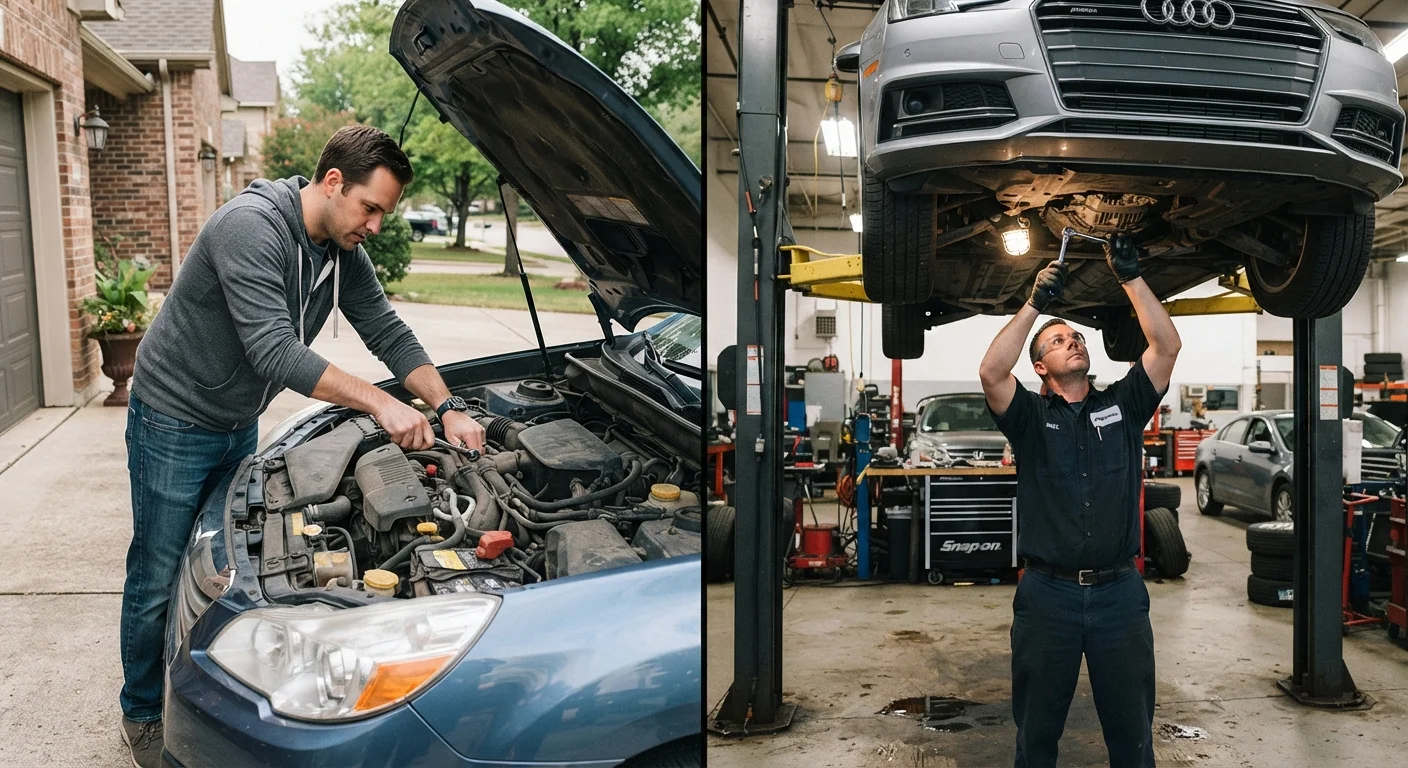
Photo credit: Wiseturt.com | Blogs Curated For You
In this article
Which tasks are reasonable for most drivers to handle at home, and which ones genuinely need a qualified mechanic? A balanced look.
Key Takeaways
- Simple tasks like air filter swaps and wiper blade changes are generally safe for most drivers to handle at home.
- Brake system work, suspension repairs, and anything involving the fuel or electrical system typically require professional tools and expertise.
- Doing your own basic maintenance can reduce costs, but mistakes on complex jobs can cost significantly more to fix.
- Your owner's manual is the most reliable guide for service intervals specific to your vehicle.
- When in doubt about a repair's complexity or safety implications, getting a professional assessment first is a reasonable step.
What's Really at Stake with Each Approach
The question isn't whether DIY car maintenance is good or bad - it's about matching the task to the skill level, tools, and risk involved. Some jobs are genuinely straightforward. Others look simple on a video but have hidden complexity that can turn a small problem into a costly one.
The core trade-off comes down to three factors: cost, risk, and capability. Doing a job yourself can save money on labor, but if it's done incorrectly, the repair bill at the shop could dwarf what you originally saved. On the flip side, paying a mechanic for tasks you could easily handle yourself adds up over the life of a vehicle.
A sensible approach for most drivers is to understand which category a given task falls into before picking up a wrench - or handing over the keys.
Start with Your Owner's Manual
Before tackling any maintenance task yourself - or deciding to book a shop appointment - check your owner's manual first. It outlines your vehicle's specific service intervals, fluid specs, and any manufacturer notes about particular systems. Following manufacturer guidance is especially important for vehicles still under warranty, where using incorrect fluids or skipping a specified service could affect coverage.
Tasks Most Drivers Can Reasonably Handle at Home
Several routine maintenance items require minimal tools, carry low risk if done incorrectly, and come with clear instructions in your owner's manual or the replacement part's packaging:
- Engine air filter replacement: Usually a matter of unclipping a housing, swapping the filter, and reseating the cover. No special tools needed.
- Cabin air filter replacement: Often accessible behind the glove box. These often-overlooked filters affect interior air quality and HVAC efficiency.
- Windshield wiper blades: Most designs snap on and off in under five minutes.
- Checking and topping off fluids: Coolant, windshield washer fluid, and power steering fluid reservoirs are labeled under the hood and easy to access.
- Battery terminal cleaning: With the battery disconnected, corrosion on terminals can be cleaned safely with basic household items.
See our realistic overview of DIY basic maintenance for a fuller picture of the tools, time, and know-how involved.
Jobs That Belong at a Professional Shop
Some repairs involve safety-critical systems, specialized equipment, or liability if done wrong. These are best left to trained technicians:
- Brake system work: Replacing pads is something some experienced DIYers tackle, but rotor machining, caliper rebuilds, and brake line work involve hydraulic systems where errors have serious safety consequences. Our guide to how your braking system actually works explains why each component matters.
- Wheel alignment: Requires precision alignment machines. Incorrect alignment accelerates tire wear unevenly. See how this differs from tire rotation in our tire rotation and alignment explainer.
- Suspension and steering components: Ball joints, tie rods, and struts affect vehicle handling. Improper installation creates unpredictable behavior at speed.
- Fuel system repairs: Working with fuel lines and injectors involves flammable materials and often requires depressurizing the fuel system safely.
- Electrical diagnostics: Modern vehicles rely on interconnected electronic control modules. Diagnosing a fault code accurately usually requires professional scan tools and training.
Don't Let a Video Tutorial Oversimplify Complex Work
Online tutorials can make brake jobs, suspension work, or timing belt replacements look straightforward. In practice, these jobs often require torque specifications, specialty tools, and knowledge of how to handle the unexpected - like a seized bolt or a corroded component. An incomplete or incorrect repair on a safety-critical system puts you and other road users at risk. If you're uncertain about the scope of a job partway through, stop and consult a qualified mechanic rather than improvising.
Comparing the Two Approaches Side by Side
Understanding how DIY and professional service differ across key dimensions can help you make a more informed call on any given job.
| DIY Maintenance | Professional Shop | |
|---|---|---|
| Upfront cost | Parts cost only, no labor charge | Parts plus labor; higher per-visit cost |
| Tools required | Basic hand tools for most simple jobs | Specialized lifts, diagnostic equipment |
| Risk if done incorrectly | Low for simple tasks; high for complex ones | Covered by shop warranty on labor |
| Time investment | Variable; can be longer for beginners | Predictable; handled by experienced techs |
| Best suited for | Filters, fluids, wipers, battery maintenance | Brakes, alignment, suspension, electrical |
| Warranty considerations | May affect warranty if done incorrectly | Typically preserves manufacturer warranty |
For drivers managing vehicles with higher mileage, the complexity and frequency of necessary repairs often shifts the balance toward professional service more often. Our guide to keeping a high-mileage car road-worthy covers which systems deserve closer attention past 100,000 miles.
Your maintenance needs also shift with the seasons. A seasonal maintenance checklist can help you plan what to check yourself versus what to schedule with a shop each time conditions change.

Author
Auto Editorial Team
Auto Editorial Team is the collective byline for our editorial team and contributor network. Articles published under this byline or an editorial pen name are researched, written, and reviewed according to our editorial standards for clarity, consistency, and independence before publication.
View all articles →