
Car Classes Decoded: From Subcompacts to Full-Size Vehicles
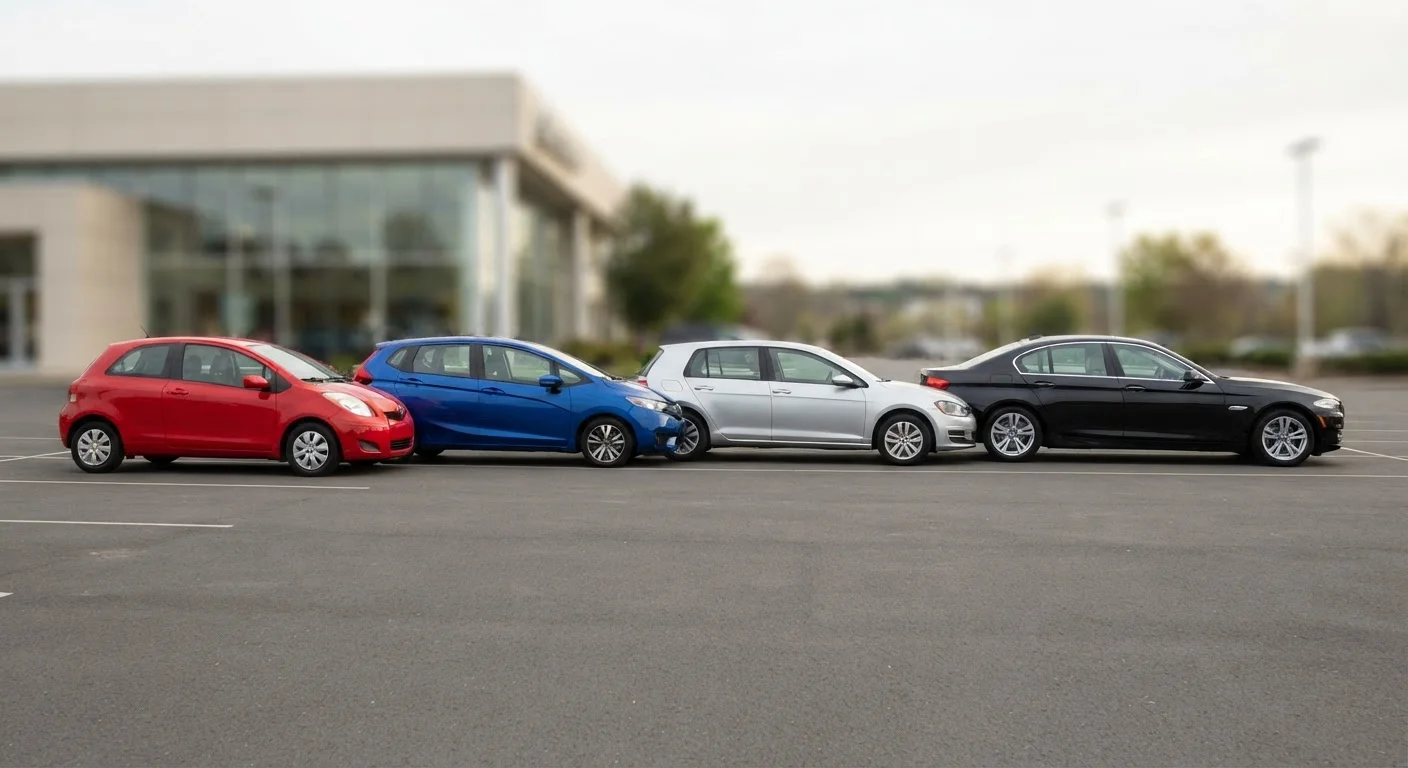
Photo credit: Wiseturt.com | Blogs Curated For You
In this article
A clear reference guide to vehicle size classifications—subcompact, compact, midsize, and full-size—and what those labels actually mean.
What Car Size Classes Actually Mean
When automakers, insurers, and government agencies talk about vehicle size, they use a classification system based primarily on interior volume - specifically the combined passenger and cargo space measured in cubic feet. The U.S. Environmental Protection Agency (EPA) established this framework, though manufacturers and media outlets sometimes apply the labels loosely. Understanding what these classes mean gives you a more reliable starting point when researching vehicles than relying on a manufacturer's marketing copy alone.
| Subcompact interior volume | Under 100 cu ft (EPA definition) (U.S. Environmental Protection Agency) |
| Compact interior volume | 100-109 cu ft (U.S. Environmental Protection Agency) |
| Midsize interior volume | 110-119 cu ft (U.S. Environmental Protection Agency) |
| Full-size interior volume | 120 cu ft or more (U.S. Environmental Protection Agency) |
| Classification basis | Combined passenger + cargo space |
| Applies to | Passenger cars (sedans, coupes, hatchbacks) (SUVs and trucks use manufacturer-defined sizing) |
Size class is just one dimension of choosing a vehicle. Body style - sedan, SUV, hatchback, truck - is a separate but related question. A compact car and a compact SUV can share a size label while looking and driving very differently.
The Four Main Passenger Car Classes
Here is how the four most common car size classes break down in practical terms:
Subcompact
The EPA defines subcompact cars as those with a combined interior volume under 100 cubic feet. In real-world terms, these are typically two- or four-door vehicles suited for urban driving and tight parking. Fuel economy tends to be a strength; back-seat legroom is often a trade-off. Subcompacts are frequently the entry point for new car buyers on a tighter budget, though sticker price alone should never be the sole deciding factor.
Compact
Compact cars fall in the 100-109 cubic feet range. This class has become one of the most popular segments in the U.S. market because it balances reasonable interior space with manageable exterior dimensions. Many compact sedans and hatchbacks can seat four adults comfortably for short to medium trips. First-time buyers often land in this segment as a practical middle ground.
Midsize
Midsize cars occupy the 110-119 cubic feet range. The added interior volume typically translates to more rear legroom, a larger trunk, and, in many cases, a smoother highway ride due to a longer wheelbase. Families who need a reliable daily driver without stepping into truck or SUV territory frequently consider midsize sedans.
Full-Size
Full-size cars carry 120 cubic feet or more of combined interior volume. This class prioritizes passenger comfort, and rear-seat space is usually genuinely generous. Full-size vehicles tend to weigh more, which can affect fuel consumption, but the trade-off is a quieter, more cushioned ride quality that many drivers value on longer trips.
Interior Volume
The combined measurement of passenger space and cargo space inside a vehicle, expressed in cubic feet. The EPA uses this figure as the primary basis for assigning passenger cars to size classes.
Wheelbase
The distance between the center of the front axle and the center of the rear axle. A longer wheelbase generally means more interior legroom and a smoother ride over bumps.
Trim Level
A specific version or configuration of a vehicle model that comes with a defined set of features and options. Different trims of the same model can vary in weight, equipment, and usable interior space.
EPA Size Class
A standardized category assigned by the U.S. Environmental Protection Agency based on a vehicle's combined interior volume. It applies specifically to passenger cars and does not directly translate to SUV or truck classifications.
Why These Labels Can Be Misleading
The EPA's volume-based definitions apply specifically to passenger cars. When you see a vehicle marketed as a "compact SUV" or "midsize truck," manufacturers are often using their own criteria - not the EPA formula - which means comparisons across body styles get tricky. A compact SUV typically has more total interior space than a compact sedan, because the taller body adds cargo volume that a low-roofline sedan can't match.
Trim level can also blur the picture. A midsize sedan loaded with thick seat padding or panoramic sunroof hardware may actually deliver less usable headroom than the base trim suggests on paper. Always check the specific measurements for any trim you're considering, not just the class label.
Misreading size classes is one of the most common ways buyers end up with a vehicle that doesn't fit their actual needs. If you want a broader view of how all vehicle categories fit together, the full automotive landscape breakdown covers everything from microcars to heavy-duty trucks.
This article provides general educational information about vehicle classifications. It is not personalized buying advice. Consult manufacturer specifications and, where relevant, a licensed professional before making purchasing decisions.

Author
Auto Editorial Team
Auto Editorial Team is the collective byline for our editorial team and contributor network. Articles published under this byline or an editorial pen name are researched, written, and reviewed according to our editorial standards for clarity, consistency, and independence before publication.
View all articles →