
Everything First-Time Car Buyers Should Know About Vehicle Types
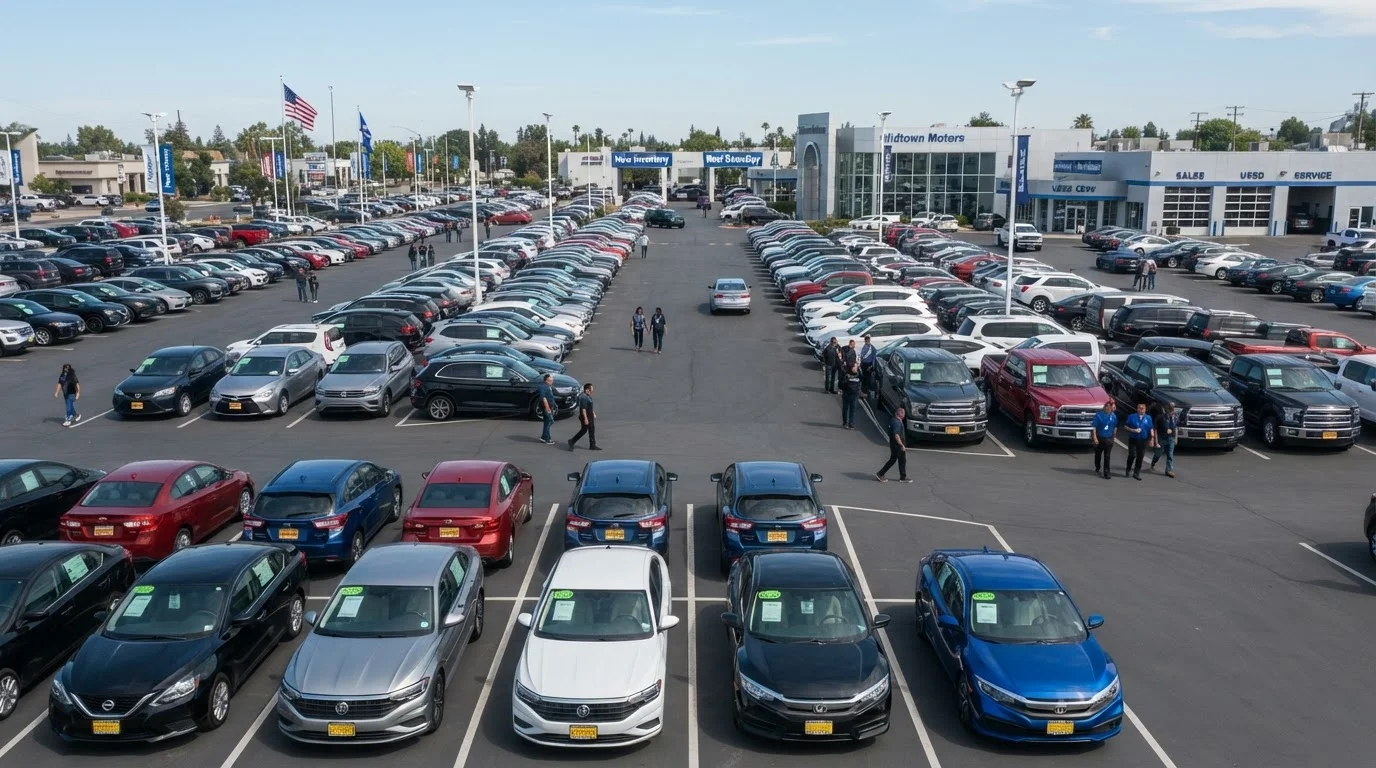
Photo credit: Wiseturt.com | Blogs Curated For You
In this article
A beginner-friendly walkthrough of the major car categories, what each is designed for, and how to match a vehicle type to your actual needs.
Key Takeaways
- Vehicle type determines practicality, running costs, and long-term fit far more than brand or color.
- Each major category - sedan, SUV, truck, hatchback, minivan - is designed around a specific set of trade-offs.
- Your daily commute, cargo needs, and household size are the three most reliable guides to the right category.
- Fuel type and size class are separate decisions that come after you settle on a body style.
- Test-driving more than one vehicle type before deciding is one of the highest-value steps a first-time buyer can take.
Why Vehicle Type Matters Before Anything Else
Most first-time buyers start by thinking about brand names or color. The more useful starting point is vehicle type - the broad category that shapes everything else about a car: how much it costs to fuel and insure, how comfortable it is for your daily routine, and whether it can actually carry what you need it to carry.
Getting this decision wrong is expensive. A buyer who purchases a large truck for a solo city commute, or a compact sedan for a family that needs to haul camping gear regularly, will feel the mismatch every week. Correcting it usually means trading in at a loss.
The good news is that vehicle categories exist precisely to help you narrow the field. Each one represents a set of deliberate engineering trade-offs - passenger space versus cargo room, fuel efficiency versus towing capacity, maneuverability versus ride height. Understanding what each category was built for puts you in a much stronger position before you ever talk to a salesperson. See the full breakdown of the modern automotive landscape for a comprehensive map of how these categories evolved.
The Major Vehicle Categories Explained
Here is a plain-English summary of the categories you will encounter most often in the US market.
Body style
The physical shape and structural layout of a vehicle - for example, sedan, hatchback, SUV, or truck. It determines how the passenger and cargo areas are arranged.
Vehicle class
A size grouping (subcompact, compact, midsize, full-size) that reflects a vehicle's overall dimensions, interior volume, and typically its price range.
All-wheel drive (AWD)
A drivetrain system that sends power to all four wheels, improving traction on slippery or uneven surfaces. Available on many SUVs and some sedans and hatchbacks.
Towing capacity
The maximum weight a vehicle is rated to pull safely behind it, such as a trailer or boat. Trucks and larger SUVs typically have higher tow ratings than sedans or hatchbacks.
Trim level
A named configuration of a specific model (for example, base, mid, or premium) that determines which features, technology, and materials are included.
Crossover
A vehicle that looks like an SUV but is built on a car-like platform rather than a truck frame. Most SUVs sold in the US today are technically crossovers.
- Sedan: A three-box vehicle with a separate trunk compartment. Generally fuel-efficient, comfortable for four to five passengers, and easy to park. Limited cargo flexibility since the trunk doesn't connect to the cabin.
- Hatchback: Similar footprint to a sedan but with a rear door that opens up into the passenger area, creating flexible cargo space. A practical choice for urban drivers who occasionally need to move bulkier items.
- SUV (Sport Utility Vehicle): A taller, boxier vehicle that blends passenger space with more cargo room and, in many cases, available all-wheel drive. Ranges from small crossovers to large three-row models. Fuel economy is generally lower than sedans of comparable price.
- Pickup Truck: An open cargo bed behind the passenger cab. Purpose-built for hauling and towing. The trade-offs include lower fuel economy, challenging urban parking, and a ride that can feel stiff when the bed is empty.
- Minivan: The highest-capacity passenger vehicle in the mainstream market. Sliding rear doors, low step-in height, and a flat floor make them exceptionally practical for families - often more so than equivalently priced SUVs.
- Coupe: A two-door body style, typically with a sportier roofline. Rear-seat access is limited, making coupés better suited for drivers who rarely carry more than one passenger.
For a closer look at how these shapes differ visually and structurally, see our guide to car body styles.
Matching a Vehicle Type to Your Real Life
Three questions cut through most of the noise:
- How many people ride with you regularly? A driver who commutes alone has very different needs from someone who carpools with three colleagues or seats two young children every day.
- What do you actually carry? Think about a typical week, not your most demanding weekend. Groceries and a gym bag call for different storage than construction materials or a boat trailer.
- Where do you drive most? Dense urban environments reward smaller, more maneuverable vehicles. Long highway stretches favor comfort and fuel efficiency. Unpaved or snowy roads may put all-wheel drive on your must-have list.
Honest answers to these questions often reveal that a buyer's instinctive choice - frequently an SUV - isn't necessarily the best fit. Many buyers are surprised to find a hatchback or minivan serves them better. Common buyer misjudgments covers this pattern in detail.
Test Drive More Than One Category
Even if you're convinced you want an SUV, schedule a test drive in a hatchback or minivan before you decide. Many buyers discover that a category they dismissed on paper actually fits their daily routine far better. The physical experience of driving, loading cargo, and parking in a tight spot reveals trade-offs that no spec sheet can communicate.
Factors That Narrow Your Options Further
Once you have a category in mind, two additional layers help filter specific models.
Size class: Within every body style, vehicles come in subcompact, compact, midsize, and full-size variants. These aren't marketing terms - they translate directly into interior dimensions, cargo volume, and often fuel economy. Our car classes reference guide explains exactly what those labels mean in practice.
Fuel type: Gasoline, hybrid, plug-in hybrid, and battery-electric vehicles now exist across most body styles. Each involves different fueling habits, maintenance patterns, and upfront costs. This is worth researching after you settle on a body style, not before - the category decision should drive the fuel-type conversation, not the other way around.
Trim level: The same model name can represent dramatically different vehicles depending on which trim you choose. Safety technology, interior materials, and driver-assist features vary significantly between a base trim and a higher one. How trim levels affect the driving experience is worth reading before you commit to a specific configuration.
What to Do Before You Set Foot on a Lot
Arriving at a dealership without a category in mind puts you at a disadvantage. Here is a practical sequence that keeps you in control.
- Write down your three honest answers from the matching exercise above.
- Identify which one or two vehicle categories those answers point toward.
- Research the size class that fits your budget within that category.
- Schedule test drives of at least two different body styles - even one you think you won't like. Physical experience often changes priorities.
- Factor in ongoing costs: fuel, insurance, and maintenance vary meaningfully by vehicle type. First-time owners often underestimate these. What new drivers need to know about car maintenance is a useful companion read.
When you are ready to move from research to action, the car-buying process, start to finish walks through every stage from test drive to signed paperwork. You can also explore the broader Buying a Car hub for guidance on financing, negotiating, and ownership costs.
Don't Lock In a Category Based on Image Alone
Trucks and large SUVs carry strong lifestyle associations in US car culture, which can lead buyers to choose based on aspiration rather than practicality. If your actual week doesn't involve towing, off-roading, or carrying more than four people, a smaller vehicle will likely cost you less to buy, fuel, and maintain over time. Choose the vehicle that fits your real routine, not an idealized version of it.
Frequently Asked Questions

Author
Auto Editorial Team
Auto Editorial Team is the collective byline for our editorial team and contributor network. Articles published under this byline or an editorial pen name are researched, written, and reviewed according to our editorial standards for clarity, consistency, and independence before publication.
View all articles →