
Car Features That Sound Impressive but Rarely Get Used
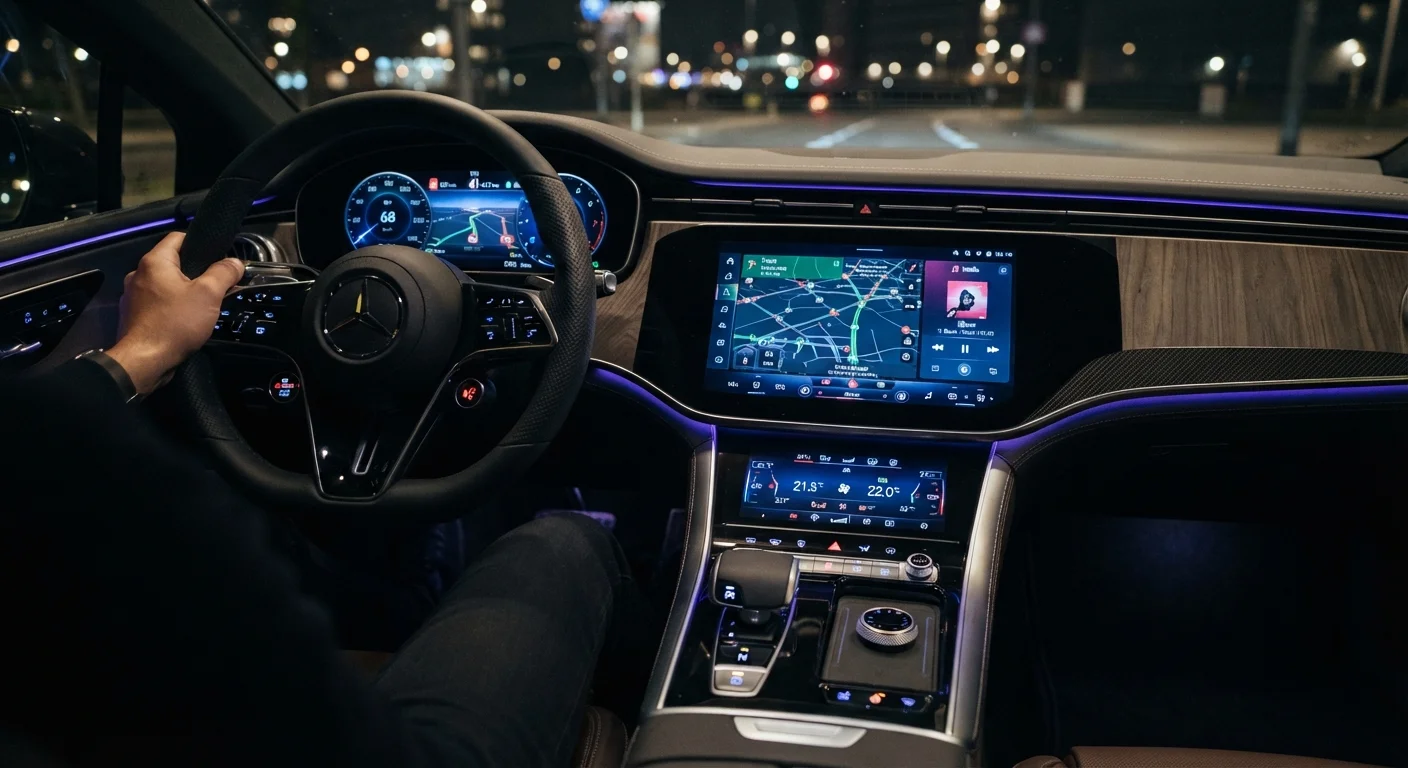
Photo credit: Wiseturt.com | Blogs Curated For You
In this article
Automakers pack modern cars with tech, but not all of it earns its cost. Here are the features consumers frequently report going untouched.
Key Takeaways
- Many premium car features add cost at purchase but see little real-world use by most drivers.
- Understanding which features you'll genuinely use helps you avoid paying for extras you won't.
- Some flashy tech can become a distraction or add long-term maintenance complexity.
- Evaluating your actual driving habits before buying can prevent buyer's remorse.
When More Technology Isn't More Useful
Modern vehicles are genuinely impressive machines, and automakers compete aggressively on feature lists. Some of that technology delivers real, lasting value - automatic emergency braking, blind-spot monitoring, and lane-keeping assistance, for instance, have measurable safety benefits. But other features are easier to sell than they are to actually use. They sound compelling in a brochure, generate excitement during a test drive, and then quietly sit dormant once the car lives in your driveway.
This isn't a knock on innovation. It's a practical question worth asking before you pay for options: how often will I actually use this? If you're researching models now, it's also worth reading about common assumptions that lead buyers to the wrong vehicle class - because feature creep and body-style habits often go hand in hand.
Cost Follows These Features
Optional packages bundling these features can add anywhere from several hundred to several thousand dollars to a vehicle's purchase price. When evaluating trim levels, it's worth separating features you'd use daily from those that appeal in a showroom but may not match your actual driving habits. Thinking through your typical commute, road trips, and parking situations before signing can help you make a more grounded decision. For a broader look at how feature-heavy new cars compare to used alternatives, see New Car vs. Used Car: What Changes Beyond the Price Tag.
Features Consumers Frequently Report Going Untouched
Built-In Wi-Fi Hotspot
Many new vehicles include a built-in cellular data connection that turns your car into a mobile Wi-Fi hotspot. On paper, it sounds convenient - passengers stream, kids stay entertained, no one drains their phone's data plan. In practice, most owners already have smartphone hotspot capability included in their mobile plan, making the car's dedicated connection redundant. The in-car service also requires a separate monthly subscription, which many buyers don't realize until after purchase. Surveys of connected-car owners consistently show this feature ranks among the least-used tech in the cabin.
Most drivers already carry a hotspot in their pocket - making the car's version redundant.
Massaging Seats
Massaging seats generate genuine excitement at the dealership. The motors pulse and knead in ways that feel genuinely relaxing during a test sit. Once ownership begins, the novelty tends to fade quickly. Drivers focused on traffic rarely activate the feature, and passengers in the back often forget it exists. The mechanical components also add weight and potential long-term repair complexity. Unless you're routinely covering hundreds of highway miles in a single stretch, this feature may rarely leave its default-off setting.
Novelty wears off fast - most owners stop activating massage seats within the first few months.
Heads-Up Display (HUD)
A heads-up display projects speed, navigation prompts, and other data onto the windshield so drivers theoretically never look away from the road. The safety intent is real, but usability is mixed. Sunlight glare can wash out the projection in certain conditions, some drivers find the floating text distracting rather than helpful, and taller or shorter drivers often find the default projection angle doesn't align well with their line of sight. Many drivers quietly switch back to glancing at the instrument cluster and leave the HUD disabled.
Glare, alignment issues, and personal preference cause many drivers to simply turn the HUD off.
360-Degree Surround-View Camera
A single reversing camera is genuinely useful. A full 360-degree system stitching together multiple camera feeds into a bird's-eye view sounds like a logical upgrade - and it can be helpful in tight parking garages. The reality is that the stitched image is often lower resolution than the main reverse camera, the system adds processing lag, and most drivers default to the standard rear camera for everyday parking. The feature tends to shine in a narrow set of conditions, then go largely untouched the rest of the time.
Most drivers park using the standard rear camera and rarely activate the full 360-degree view.
Gesture Control for Infotainment
Gesture control allows drivers to wave a hand near the dashboard to adjust volume, dismiss calls, or switch maps without touching the screen. It's a compelling demo. In everyday use, the system requires deliberate, rehearsed movements to avoid triggering accidental inputs, and the gesture library is small enough that it's often faster to just tap the screen. Driver feedback across multiple ownership surveys suggests gesture control is used frequently in the first week, then mostly forgotten. Touchscreens and physical controls remain the preferred interface for the vast majority of tasks.
Gesture control requires deliberate practice to use reliably - most drivers revert to the touchscreen.
Adaptive Suspension Modes
Many mid-to-upper-tier vehicles offer drive mode selectors that include adjustable suspension settings - Sport, Comfort, Individual, and sometimes more. These modes genuinely alter ride feel and handling response. In practice, most owners pick a preferred mode early on and never touch the selector again. The comfort mode gets selected on day one and stays there. The sport and track settings, which require specific road conditions to feel meaningful, often go unused entirely outside of initial curiosity. If your commute is ordinary pavement, the switching capability may rarely matter.
Owners typically settle on one mode early and leave the adaptive suspension selector untouched.
Test Features Under Real Conditions
Before committing to a trim level or package, ask for an extended test drive that mimics your actual routine - your usual commute, a parking garage you regularly use, a highway stretch. Dealership demos are designed to make everything feel intuitive and impressive. Real-world conditions tell a more honest story about which tech you'll actually reach for.
Making a More Grounded Purchase Decision
None of the features above are useless in every situation - context matters, and individual driving habits vary. But across broad consumer feedback, these are the options that owners most commonly describe as exciting at purchase and underused afterward. That pattern is worth taking seriously when you're weighing trim levels or option packages.
The smarter approach is to build a clear picture of how you actually drive before you get to the showroom. Long highway commuter? The massaging seat might earn its keep. Mostly urban, tight-parking driving? The 360-degree camera could genuinely help. Trying to make a fair assessment of what you'll use is part of avoiding the wrong vehicle entirely - something the car buying process often doesn't slow down enough to encourage.
And once you do own a vehicle, keeping it well-maintained matters more than most optional tech ever will. The maintenance items most drivers overlook tend to have a far bigger impact on reliability and safety than whether your car can recognize a hand gesture.

Author
Auto Editorial Team
Auto Editorial Team is the collective byline for our editorial team and contributor network. Articles published under this byline or an editorial pen name are researched, written, and reviewed according to our editorial standards for clarity, consistency, and independence before publication.
View all articles →