
The Underrated Maintenance Items Most Drivers Overlook
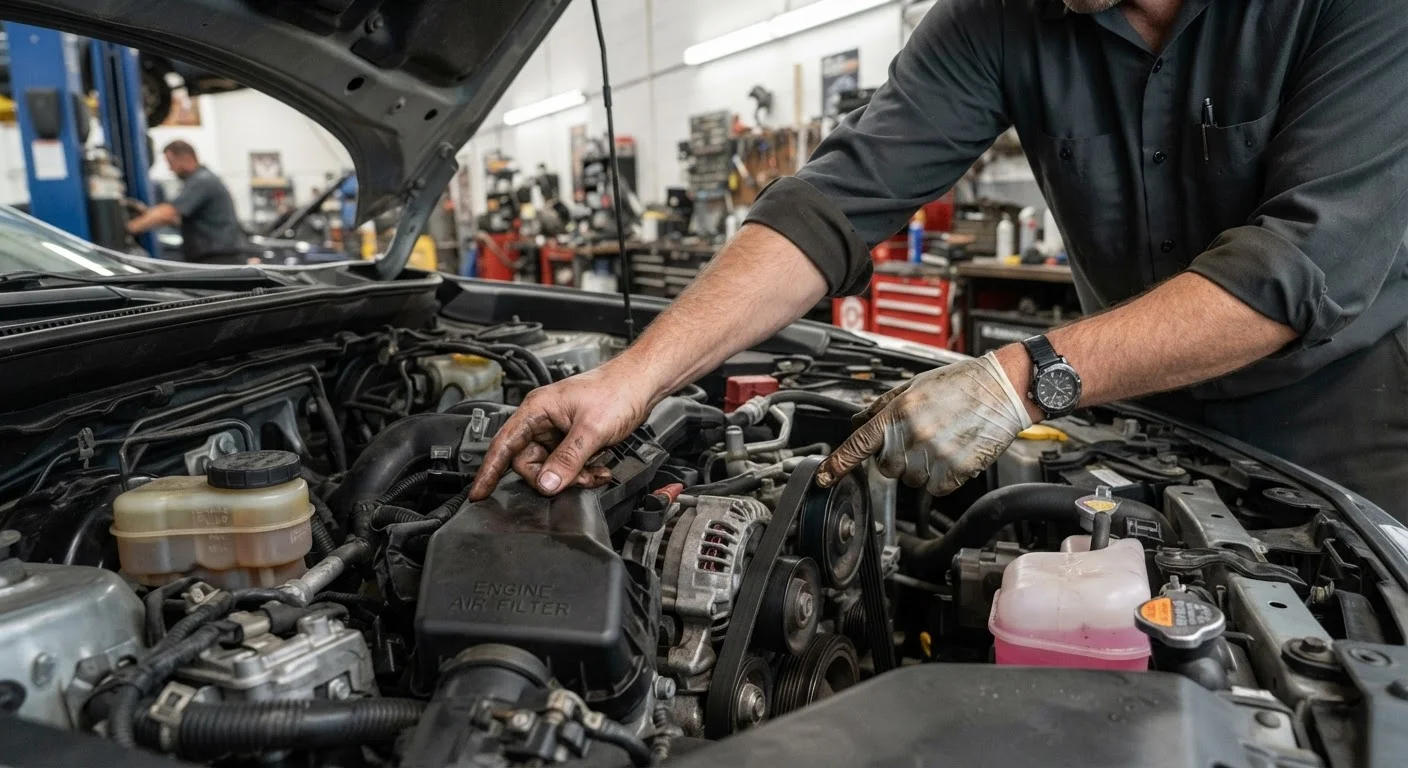
Photo credit: Wiseturt.com | Blogs Curated For You
Cabin air filters, serpentine belts, differential fluid—these often-skipped services matter more than most people realize.
Key Takeaways
- Cabin air filters, serpentine belts, and differential fluid are routinely skipped but genuinely important.
- Neglecting these services often leads to larger, more expensive repairs down the road.
- Most automakers list service intervals for these items in the owner's manual - that's your best reference.
- Some tasks suit confident DIYers; others are best handled by a qualified mechanic.
- Staying ahead of overlooked maintenance protects both your safety and your vehicle's longevity.
The Maintenance Items Flying Under the Radar
Ask most drivers what maintenance their car needs, and you'll hear oil changes, tire rotations, and maybe brake pads. That's a reasonable start - but it's not the whole picture. A handful of services routinely get skipped, not because drivers are careless, but because they're simply not talked about enough.
These aren't obscure edge cases. They're items your vehicle's manufacturer likely lists in the owner's manual with specific service intervals. Skipping them doesn't always produce an immediate symptom - which is exactly why they accumulate into expensive problems. The pattern is similar to what happens with deferred home maintenance: small oversights compound quietly until something fails.
Below are six underrated maintenance items worth putting on your radar, along with plain-language explanations of what each one does and why it matters.
Cabin Air Filter
The cabin air filter cleans the air that flows through your car's heating and air conditioning system before it reaches the passenger compartment. Over time it collects dust, pollen, and debris - and a clogged filter reduces airflow noticeably, makes your HVAC system work harder, and can worsen air quality inside the vehicle.
Most manufacturers suggest replacing it every 15,000 to 25,000 miles, though driving in dusty or high-pollen environments may mean more frequent changes. On many vehicles it's a straightforward replacement - often accessible behind the glove box - though the exact location varies. Check your owner's manual for your vehicle's specific interval and location.
A clogged cabin filter quietly reduces airflow and forces your HVAC system to work harder.
Serpentine Belt
The serpentine belt is a long rubber belt that drives multiple engine accessories at once - typically the alternator, power steering pump, air conditioning compressor, and water pump. If it fails while you're driving, you can lose power steering, charging, and cooling simultaneously, which can leave you stranded or cause engine overheating.
Modern belts are durable, but rubber degrades over time regardless of visible wear. Many manufacturers recommend inspection or replacement somewhere between 60,000 and 100,000 miles. A mechanic can check it for cracking, fraying, or glazing during a routine visit. This is generally not a DIY task for most drivers - a qualified mechanic should handle the inspection and replacement.
A failed serpentine belt can knock out power steering, charging, and cooling at the same time.
Differential Fluid
The differential is a gear system that allows your wheels to rotate at different speeds when turning - essential for normal driving. Like engine oil, the fluid inside the differential lubricates moving parts and breaks down over time. Old or low differential fluid can lead to gear wear and, eventually, differential failure, which is a significant repair.
Rear-wheel-drive, four-wheel-drive, and all-wheel-drive vehicles typically have one or more differentials that require periodic fluid changes - intervals vary widely by vehicle and driving conditions (towing and off-road use accelerate wear). Front-wheel-drive vehicles often use a combined transaxle fluid. Your owner's manual or a trusted mechanic can clarify what applies to your vehicle. See also: why ignored car fluids become expensive problems.
Differential fluid degrades like engine oil, and ignoring it can lead to costly gear damage.
Fuel System Cleaning
Over time, deposits can build up on fuel injectors and intake valves, affecting how efficiently fuel is atomized and burned. This can result in rough idling, slightly reduced fuel economy, or hesitation during acceleration - symptoms that are easy to attribute to something else.
Whether and how often a fuel system cleaning is needed depends significantly on the vehicle, its age, fuel quality, and driving patterns. Some vehicles go many miles without needing it; others benefit from periodic service. It's worth asking a mechanic during a routine visit whether your specific vehicle shows signs of injector deposits. Be skeptical of blanket upsell recommendations - ask what observable symptoms or mileage thresholds apply to your car.
Fuel injector deposits can cause rough idling and reduced efficiency without any obvious warning light.
Battery Terminal Cleaning
Corrosion - that chalky white or bluish buildup - can form on battery terminals over time and gradually increase electrical resistance. This can cause slow engine cranks, electrical gremlins, and eventually a no-start condition, even if the battery itself still holds a reasonable charge.
Cleaning battery terminals is one of the more approachable DIY maintenance tasks for many drivers, though it does involve working near a car battery, which requires appropriate precautions (eye protection, gloves, and care to avoid shorting the terminals). If you're not comfortable with it, a mechanic can handle it quickly during any routine visit. It's worth visually inspecting terminals periodically, especially in climates with high humidity or temperature extremes. This is also worth pairing with seasonal maintenance checks, as cold weather puts extra strain on aging batteries.
Corroded battery terminals can cause starting problems even when the battery itself still has charge.
Brake Fluid
Brake fluid is hygroscopic - meaning it absorbs moisture from the air over time. As water content rises, the fluid's boiling point drops. In heavy braking situations, this can cause brake fade (reduced stopping power) or, in extreme cases, a spongy pedal. It also accelerates corrosion inside the braking system's metal components.
Many manufacturers recommend replacing brake fluid every two to three years regardless of mileage, though intervals vary. A simple test strip can measure moisture content if you want a baseline reading. Brake system work involves safety-critical components, so if you're uncertain about the condition of your brake fluid or the broader braking system, have a qualified mechanic evaluate it. For a broader look at fluid maintenance, this guide on car fluids covers the full picture.
Brake fluid absorbs moisture over time, lowering its boiling point and potentially reducing stopping power.
Keeping the Full Picture in View
None of these items require special enthusiasm for cars - just a basic awareness that your vehicle has more going on under the hood than the services most quick-lube shops advertise. Your owner's manual is genuinely the most useful document you own for this; it lists what your specific vehicle needs and when.
Start With Your Owner's Manual
Your vehicle's owner's manual lists manufacturer-recommended service intervals for nearly every item on this list. It's specific to your make, model, and engine - far more reliable than general rules of thumb. If you've misplaced yours, most automakers make digital copies available on their websites at no cost.
If you're weighing which tasks to handle yourself versus taking to a shop, our DIY vs. shop guide offers a balanced breakdown. And if your vehicle has passed 100,000 miles, several of the items on this list deserve closer attention - see our guide on keeping a high-mileage car road-worthy for more detail. Also worth reading: why ignored car fluids become expensive problems, which covers coolant, brake fluid, and transmission fluid in depth.
Staying on top of the less glamorous maintenance items is one of the more reliable ways to avoid large, unplanned repair bills - and to keep your car on the road longer.

Author
Auto Editorial Team
Auto Editorial Team is the collective byline for our editorial team and contributor network. Articles published under this byline or an editorial pen name are researched, written, and reviewed according to our editorial standards for clarity, consistency, and independence before publication.
View all articles →