
Why the Same Car Model Can Feel Completely Different Across Trim Levels
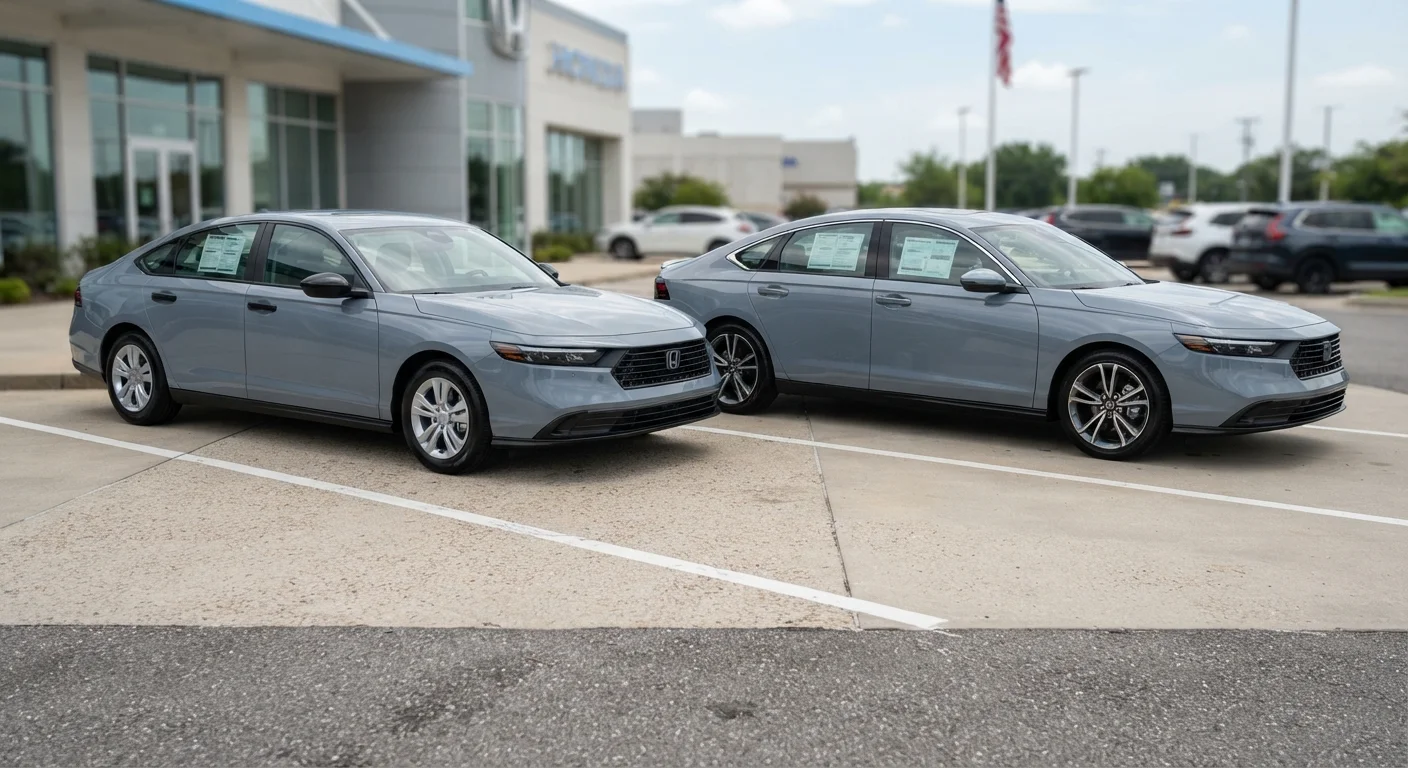
Photo credit: Wiseturt.com | Blogs Curated For You
In this article
Trim levels change far more than just features. Learn how base, mid, and top trims differ in safety tech, performance, and build quality.
Key Takeaways
- Trim levels affect safety technology, not just comfort or appearance.
- Some engine and drivetrain options are locked to specific trims.
- Interior materials and noise insulation can change significantly between trims.
- Higher trims often include driver-assistance features unavailable on base models.
- The price gap between base and top trim can exceed $15,000 on many models.
More Than a Features List
When shoppers see two cars wearing the same nameplate, they often assume they're essentially the same vehicle with a few cosmetic differences. In reality, trim levels can separate two cars as dramatically as different models entirely. The decision goes well beyond whether you get heated seats or a sunroof.
Understanding trim levels is especially relevant if you're already navigating decisions about body styles or vehicle types - because once you've narrowed down the model, the trim choice shapes nearly everything else about your experience.
$10K-$18K
Typical price gap between base and top trim
On many mainstream models, the spread from entry-level to fully loaded trim exceeds $10,000, based on published manufacturer MSRPs.
3-5
Average number of trim tiers per model
Most major automakers offer between three and five distinct trim levels per model, each bundling different equipment packages.
~40%
New vehicles sold with advanced safety tech standard
According to the Insurance Institute for Highway Safety, a significant share of new vehicles still require higher trims or packages to access key crash-avoidance features.
Safety Technology Tied to Trim
This is where trim-level differences matter most for everyday drivers. Modern vehicles are packed with driver-assistance systems - automatic emergency braking, lane-keep assist, blind-spot warning, rear cross-traffic alerts - but these features are frequently reserved for mid-range or top trims. A base-trim buyer on the same lot as a well-equipped buyer may be operating a car with a meaningfully different safety profile.
When evaluating a model, it's worth checking the manufacturer's full trim-by-trim safety feature breakdown rather than assuming the features advertised for the model apply to every version of it.
Check the Safety Features Sheet First
Before comparing prices across trims, look up the manufacturer's official trim comparison chart and isolate the safety technology column. Features like automatic emergency braking and blind-spot monitoring are often limited to specific tiers. Knowing this early prevents you from discovering a gap after you've already committed to a price range.
Performance and Mechanical Differences
Not all trim-level differences are about comfort or technology. Some automakers reserve more powerful engines, all-wheel drive, or upgraded suspension tuning for specific tiers. A base trim may come only with front-wheel drive and a smaller engine, while a higher trim unlocks AWD or a turbocharged powertrain.
This matters for buyers in climates with heavy snow or ice, or for anyone who hauls cargo regularly. The gap between a base and a higher trim can mean the difference between a car that meets your practical needs and one that doesn't - even though both carry the same model name.
Interior Quality and Noise Levels
Trim levels also change how a car feels inside. Automakers often use softer materials, more sound deadening, and upgraded seating in higher trims. The base model may use harder plastics on most surfaces and offer less insulation from road and wind noise. Over a long commute or road trip, those differences become noticeable.
If you're deciding between a new vehicle and a used one, the trim level of a used car matters just as much. For more on what changes beyond price, see our piece on new versus used vehicles. The broader car-buying process also involves weighing these kinds of hidden differences.
How to Approach the Trim Decision
Rather than defaulting to the highest trim you can afford or the lowest to save money, a more practical approach is to build a feature checklist first. Separate must-haves (safety systems, drivetrain type) from nice-to-haves (sunroof, premium audio). Then identify the lowest trim that covers your must-haves - and stop there unless the cost difference to the next tier is minor.
Dealer-installed packages and manufacturer option bundles sometimes let you add specific features to lower trims, but structural or powertrain changes typically cannot be retrofitted. Ask for the full options sheet before making any assumptions.
Trim Names Vary by Brand
There's no universal naming standard across automakers. One brand's 'SE' may represent a mid-level trim, while another brand's 'SE' is near the top of the lineup. Always read the full trim hierarchy for the specific model you're evaluating rather than relying on the badge name alone.
This article is for general informational purposes only. Specific features, availability, and pricing vary by manufacturer, model year, and dealership. Always verify trim-by-trim details directly with the manufacturer or a licensed dealer before making any purchase decision.
Frequently Asked Questions

Author
Auto Editorial Team
Auto Editorial Team is the collective byline for our editorial team and contributor network. Articles published under this byline or an editorial pen name are researched, written, and reviewed according to our editorial standards for clarity, consistency, and independence before publication.
View all articles →