
New Car vs. Used Car: What Changes Beyond the Price Tag
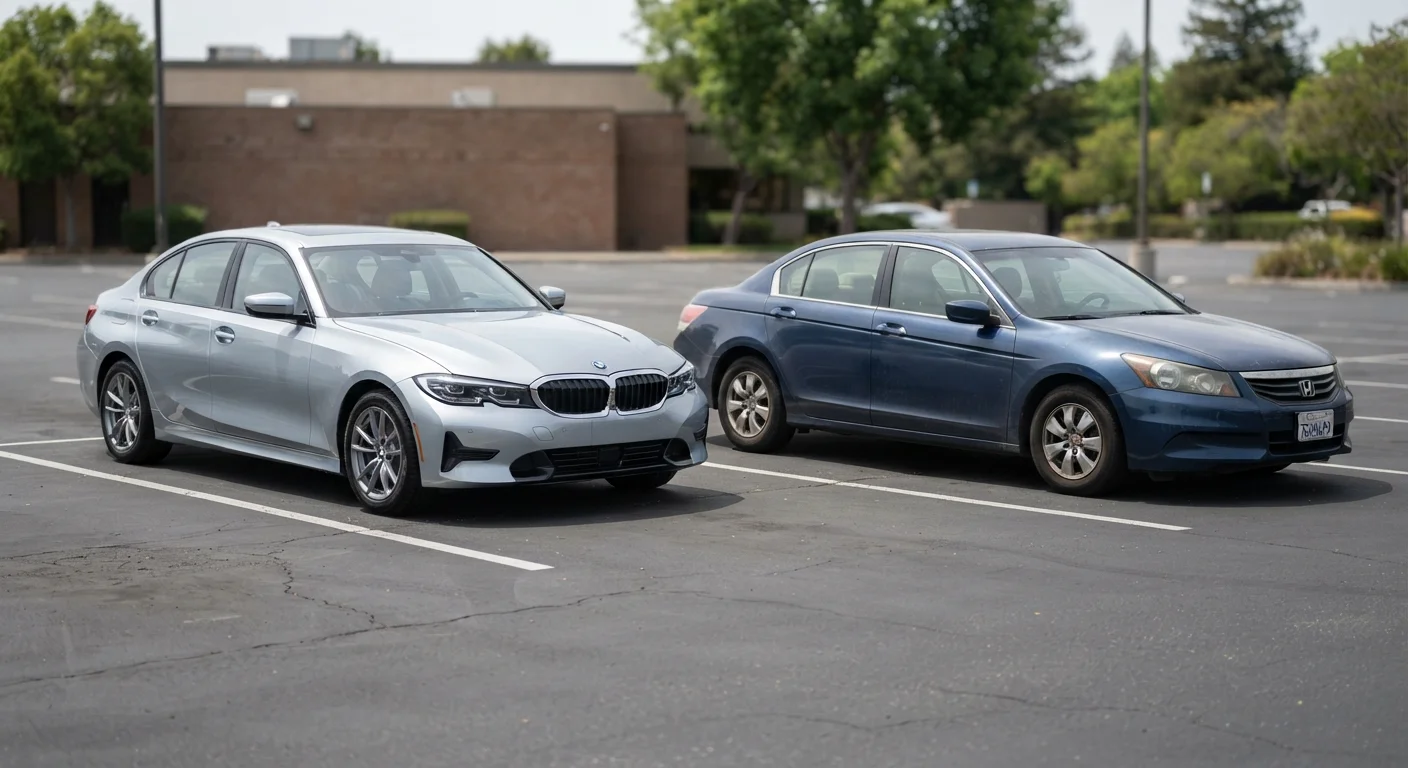
Photo credit: Wiseturt.com | Blogs Curated For You
In this article
Price is just one factor. Compare depreciation, warranty coverage, financing rates, and reliability between new and used vehicles.
Key Takeaways
- New cars depreciate fastest in the first two to three years - used cars let someone else absorb that loss.
- New vehicles typically come with full manufacturer warranties; used cars may have limited or no remaining coverage.
- Financing rates on new cars are often lower than on used cars, which can narrow the real cost gap.
- Used cars generally cost less to insure but may carry hidden maintenance costs not visible at purchase.
- Certified pre-owned programs offer a middle ground between new and standard used - worth understanding separately.
Depreciation: The Hidden Cost That Hits Hardest Early
A new car loses value the moment it leaves the lot - that's not a myth. On average, a new vehicle can shed roughly 15-20% of its value in the first year and close to half its original value within five years, though the exact figures vary widely by make, model, and market conditions. When you buy used, a previous owner has already absorbed much of that drop.
This matters because depreciation is a real financial loss, not just a paper number. If you sell or trade in after a few years, a new car buyer typically recovers less of their original outlay than someone who bought used at the post-depreciation price point. For buyers who keep vehicles a long time, the gap narrows - but for those who trade frequently, it's worth factoring in. Common trade-in misconceptions can make this gap even larger than it needs to be.
| Criterion | New Car | Used Car |
|---|---|---|
| Purchase Price | Higher upfront cost | Lower upfront cost |
| Depreciation Exposure | Steepest in first 1-3 years | Previous owner absorbed early drop |
| Warranty Coverage | Full manufacturer warranty | Limited or no remaining warranty |
| Financing APR | Typically lower rates | Typically higher rates |
| Insurance Cost | Higher comprehensive/collision premiums | Lower comprehensive/collision premiums |
| Safety Technology | Latest standard features | Varies by model year |
| Condition Certainty | Known, pristine condition | History and wear vary |
Warranty and Reliability: What Coverage Actually Looks Like
New cars come with a manufacturer's warranty - typically a bumper-to-bumper coverage period of three years or 36,000 miles, plus a separate powertrain warranty that often runs longer. That means if something fails through no fault of yours, the manufacturer pays to fix it.
Used cars are a different story. Depending on the age and mileage, a used vehicle may have no remaining factory warranty at all. Some buyers purchase extended service contracts (sometimes called extended warranties) to fill that gap, but those vary enormously in what they cover and exclude - always read the fine print. A middle path worth exploring is certified pre-owned (CPO) vehicles, which come with manufacturer-backed inspections and additional warranty terms. CPO versus standard used is a comparison worth making before you decide.
~20%
Average new car value lost in year one
Industry estimates from sources such as Edmunds and Carfax consistently place first-year depreciation for new vehicles in the 15-20% range, though this varies by model.
3yr/36K
Typical new car bumper-to-bumper warranty
Most major manufacturers offer a three-year or 36,000-mile bumper-to-bumper warranty as a baseline, with powertrain coverage often extending longer.
1-2%+
APR difference: new vs. used loans
According to Federal Reserve consumer credit data, auto loan rates on used vehicles have historically run higher than rates on new vehicle loans from the same lenders.
Financing Rates and Insurance: Where the Numbers Shift
Most people finance a car purchase, and the interest rate on your loan affects total cost just as much as the sticker price. Lenders - whether banks, credit unions, or dealerships - typically offer lower annual percentage rates (APRs) on new vehicles than on used ones. That's because new cars are seen as lower lending risk: their value is easier to establish and their condition is known.
However, a lower rate on a larger loan doesn't always beat a slightly higher rate on a smaller loan. Running the full loan math - total interest paid over the loan term - often tells a different story than comparing APRs alone. For a detailed look at how lender types compare, see dealer financing vs. bank or credit union loans.
On insurance, used cars generally cost less to insure for comprehensive and collision coverage because their actual cash value is lower. However, liability coverage - which protects you against damage you cause to others - costs roughly the same regardless of whether your car is new or used.
Technology and Features: The Gap That Changes Over Time
New cars come loaded with the current generation of safety technology: automatic emergency braking, blind-spot monitoring, adaptive cruise control, and updated infotainment systems. These aren't just conveniences - many are now standard on entry-level trims across most brands. A used car from even five years ago may lack features that are now considered baseline.
That said, not every modern feature translates to a better ownership experience. Some heavily marketed features go largely unused by real drivers, which means paying a premium for them in a new car doesn't always deliver value. Knowing which features you'll actually use helps you decide whether the new-car tech premium is worth it for your situation. If powertrain type is also part of your decision, a comparison of electric, hybrid, and gas vehicles can help you assess how newer drivetrains factor in.
Before finalizing any purchase - new or used - review the contract carefully. Key items to verify before signing can help you avoid common surprises in the paperwork.
This article is for general informational purposes only and does not constitute financial or purchasing advice. Vehicle costs, rates, and depreciation figures vary significantly by make, model, location, and market conditions. Consult a qualified financial professional before making significant purchase decisions.

Author
Auto Editorial Team
Auto Editorial Team is the collective byline for our editorial team and contributor network. Articles published under this byline or an editorial pen name are researched, written, and reviewed according to our editorial standards for clarity, consistency, and independence before publication.
View all articles →