
The Complete Guide to Spotting Real Deals and Avoiding Pricing Illusions
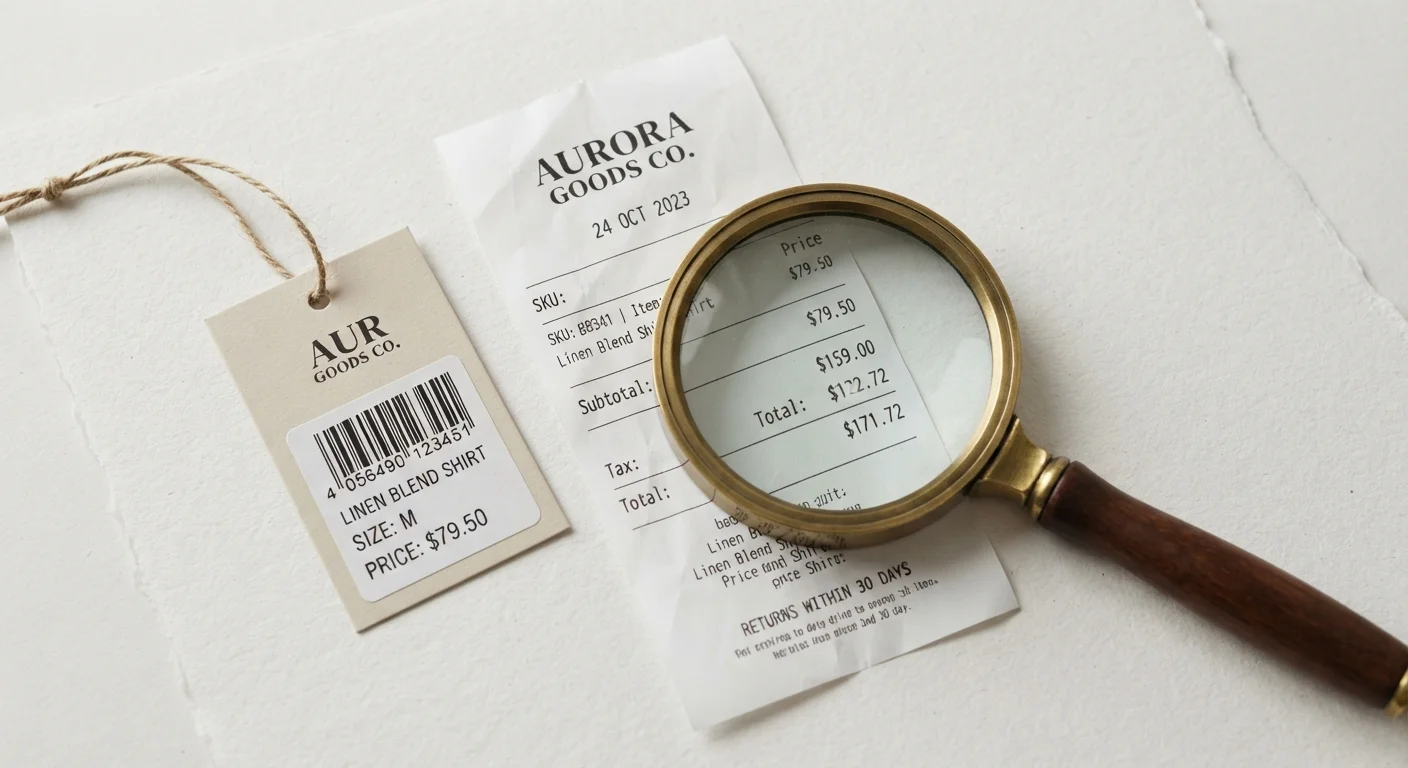
Photo credit: Wiseturt.com | Blogs Curated For You
In this article
Everything everyday shoppers need to understand how discounts work, which tools help, and which retail tactics are designed to mislead.
Key Takeaways
- Advertised discounts are often calculated from inflated reference prices, not typical selling prices.
- Urgency signals like countdown timers and low-stock alerts are frequently marketing tools, not real constraints.
- Price history tools let you verify whether a sale price is genuinely lower than the item's normal price.
- A real deal means the price is low relative to consistent market history, not just relative to a markdown.
- Consistent research habits - not one-off luck - are what protect shoppers from pricing illusions over time.
Why Pricing Feels Confusing by Design
Retail pricing is not meant to be transparent. Prices are set - and displayed - to influence decisions, not just to communicate value. Understanding this shifts how you evaluate any offer.
Retailers use a range of techniques that exploit how humans perceive numbers. Charm pricing (ending in .99 or .97) makes a price feel meaningfully lower than the rounded number above it. Bundle pricing obscures per-unit cost. Multi-buy offers ("3 for $10") often produce a higher spend than buying one item would have. None of these are illegal, but all are designed to work on autopilot - before you stop to think.
For a deeper look at the psychological mechanics behind these tactics, see how retailers use psychological pricing. Understanding the playbook is the single fastest way to start shopping on your own terms rather than the store's.
When a sale price feels compelling, search the product model number in a price-history tool before clicking "add to cart." This single step catches the majority of inflated reference price tactics.
Reference price inflation is one of the most documented retail pricing strategies, and price history data is the only objective counter to it.
If a bundle offer seems like strong value, price out each component separately first. Bundle savings are frequently smaller than they appear once you account for items you would not have purchased individually.
Bundle pricing is specifically designed to obscure per-unit cost and increase total basket size, a tactic well-documented in retail consumer research.
How Retailers Manufacture Urgency and Scarcity
Countdown timers, "Only 3 left!" banners, and flash-sale labels are the retail industry's most durable pressure tools. They work because humans are hard-wired to avoid missing out - a cognitive tendency researchers call loss aversion.
The reality: many of these signals are either automated marketing defaults or deliberately vague. A "limited time" sale may simply restart when it expires. Low-stock alerts on product pages are sometimes triggered by algorithm, not by actual inventory. That does not mean scarcity is never real - it means you should treat it as unverifiable until you check the price history.
Urgency Signals Are Designed to Short-Circuit Analysis
Countdown timers and low-stock alerts are calibrated to trigger a decision before you have time to verify whether the price is actually favorable. Treat any urgent prompt as a reason to pause, not to act. If you miss a "deal" that later turns out to have been a normal price, you have lost nothing.
Online shoppers should also watch for dynamic pricing, where the same item shows different prices to different users based on browsing history, location, or device. Clearing your browser cookies or checking prices in a private/incognito window can sometimes surface the baseline price more reliably.
The Reference Price Problem
Most advertised discounts are expressed as a percentage off a "was" price - the reference price. The problem: reference prices are frequently set high specifically so the markdown looks dramatic. A product sold at $80 "was $120" has not necessarily ever sold at $120 in meaningful volume.
The FTC has long-standing guidance stating that reference prices in advertising should reflect prices at which items were actually offered for a substantial period of time. In practice, enforcement is complaint-driven and inconsistent, which is why shoppers need their own verification step.
87%
Shoppers who factor "sale" labels into purchase decisions
A widely cited Nielsen consumer research finding suggests the large majority of shoppers treat sale labeling as a meaningful signal, regardless of whether the discount is genuine.
60-90 days
Price history window needed to spot reference price inflation
Consumer advocacy researchers generally recommend reviewing at least two to three months of price history before treating a markdown as meaningful.
Before treating any percentage-off claim as meaningful, ask: what has this item actually sold for over the past 60-90 days? That is the baseline that matters. If the current price sits at or near the historical average, the "sale" is primarily a display choice, not a genuine reduction.
Tools and Tactics for Verifying Actual Prices
Price history tools are the most reliable check a shopper has. Browser extensions and dedicated websites track the historical price of individual products at major retailers, plotting changes over time. Before acting on a sale price, reviewing 60-90 days of history takes under a minute and immediately tells you whether the current price is an outlier low, a return to normal, or - frequently - the item's typical selling price with a new label.
Other practical verification habits include:
- Check multiple retailers simultaneously. The same or equivalent product may be priced lower elsewhere without any sale label at all.
- Calculate total cost, not sticker price. Shipping, handling fees, and required accessories can erase headline savings quickly.
- Read return policies before purchase. A low price with a no-return policy is a different value proposition than a slightly higher price with flexible returns.
For shoppers who are newer to these habits, this starting point for deal hunting covers foundational tools and routines in plain terms.
Price Trackers Work Best on Major Platforms
Most price history tools index large, high-volume retailers reliably. For smaller or specialty retailers, price history data may be sparse or unavailable. In those cases, direct comparison across multiple sellers and a careful read of total landed cost (including shipping and return terms) is the more practical check.
When a Discount Is Genuinely Worth It
A real deal has three characteristics: the price is verifiably lower than the item's consistent historical range, the product meets your actual need (not just a need manufactured by the sale), and the total cost - including fees, subscriptions, or required add-ons - is lower than the alternative.
It is also worth distinguishing between channel differences. Physical stores and online retailers structure their prices differently for structural reasons - overhead, inventory models, and regional pricing all play a role. In-store vs. online pricing is a genuine variable, not just a matter of convenience.
The most reliable signal of a genuine deal is indifference to the urgency framing. If the price is legitimately low based on history and total cost, the countdown timer is irrelevant. If you need the timer to convince yourself, that is a warning sign, not a reason to act.
“The best purchase decision is one made on your terms - when you have verified the price, confirmed the need, and ignored the urgency framing entirely.”
— Smart Shopping Editorial Team, Consumer research and practical shopping guidance
Building a Habit That Holds Up
Spotting pricing illusions is not a one-time skill - it is a habit that needs to become reflexive. The shoppers who consistently avoid overpaying are not necessarily more sophisticated; they have simply built a short verification routine into their decision process.
The core routine is straightforward: check the price history before acting on any sale, calculate total cost including fees, and resist urgency signals until you have confirmed the price is genuinely favorable. Over time, this takes seconds per item and becomes automatic.
For a broader view of the habits and routines that compound into real savings, smart deal-hunting habits that hold up over time is a practical companion to this guide. And if managing your shopping decisions within a broader spending framework matters to you, the Smart Budgeting hub connects these tactics to longer-term financial habits.
Make One Check a Default Step
Bookmark a price-history tool and open it before any non-trivial purchase. You do not need to research everything obsessively - even a 30-second check on items over $30 will catch the most common pricing illusions. Small habits applied consistently outperform intensive research done sporadically.
Finally, remember that avoiding a bad purchase is itself a form of savings - one that does not show up in a percentage-off badge but is just as real.

Author
Smart Shopping Editorial Team
Smart Shopping Editorial Team is the collective byline for our editorial team and contributor network. Articles published under this byline or an editorial pen name are researched, written, and reviewed according to our editorial standards for clarity, consistency, and independence before publication.
View all articles →