
In-Store Deals vs. Online Prices: Where the Real Savings Usually Live
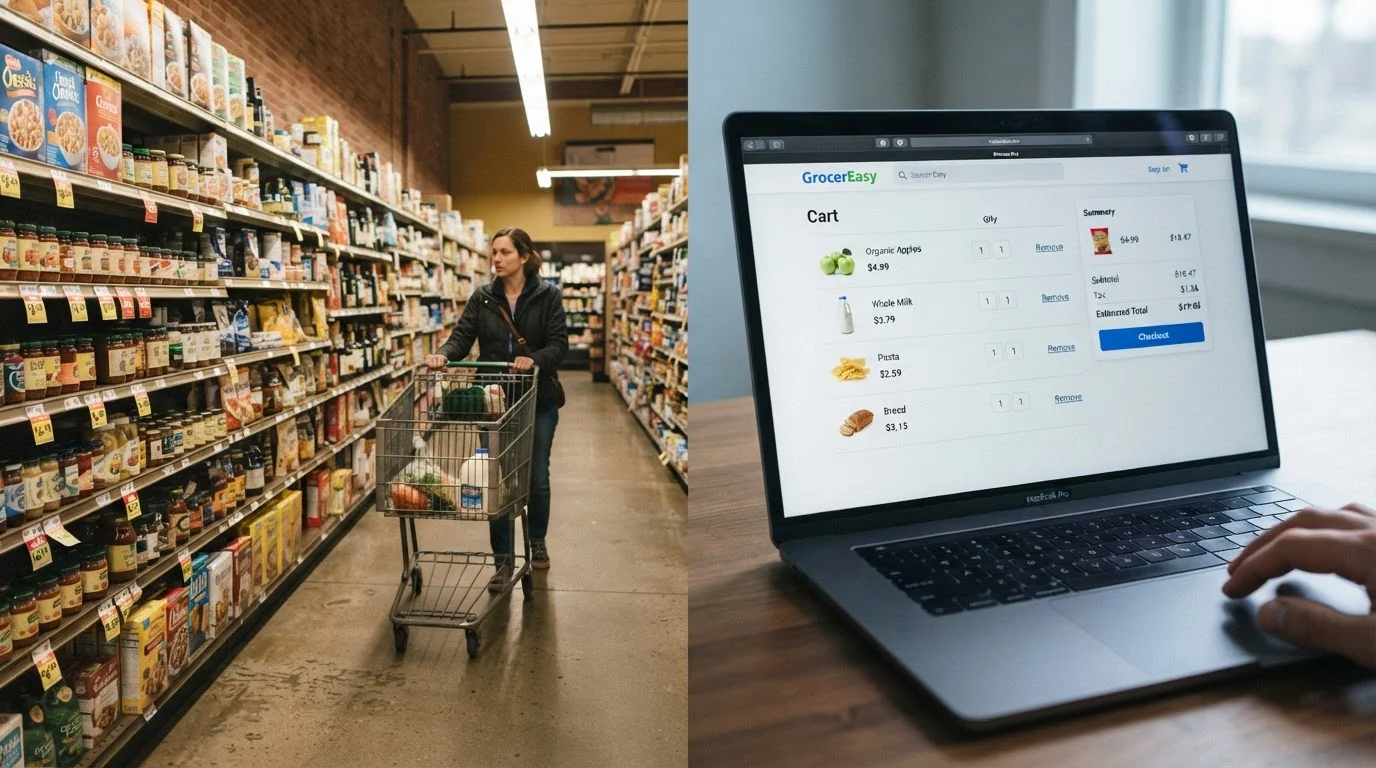
Photo credit: Wiseturt.com | Blogs Curated For You
In this article
Physical stores and online retailers price items differently. Understand the structural reasons behind the gap before you decide where to shop.
Key Takeaways
- Online prices are often lower for commoditized goods, but shipping and return costs can close the gap.
- Physical stores hold real advantages in clearance pricing, price matching, and tactile product evaluation.
- Neither channel consistently wins - the best price depends on the product category and timing.
- Dynamic online pricing means the same item's cost can change multiple times per day.
- Total cost of ownership - not just sticker price - is the right comparison metric.
Why Prices Differ Between Channels
Retailers don't set prices in a vacuum. Physical stores carry overhead - rent, utilities, in-store staff - that online operations largely avoid. That cost structure gets embedded in shelf prices. Online retailers, by contrast, compete in a transparent marketplace where price-comparison tools make undercutting a constant pressure.
But the equation isn't simply "online cheaper, in-store expensive." Physical stores can negotiate local promotions and clearance cycles that online inventory systems don't replicate. In-store markdown schedules follow a predictable rhythm tied to shelf space and seasonal turnover - patterns that seasonal pricing data can help you anticipate.
Online prices, meanwhile, are subject to algorithmic adjustments that can shift a price several times in a single day. Understanding that volatility is part of reading any online deal honestly. For a broader look at how discounting tactics shape what you perceive as a deal, see the complete guide to spotting real deals.
Where Online Shopping Has a Structural Edge
Online channels consistently perform well on commoditized goods - items where specifications are standardized and shoppers can compare like-for-like without physically handling the product. Think: replacement batteries, printer ink, small appliances with well-known model numbers, and everyday pantry staples sold by weight or count.
Price-tracking tools add another layer of advantage. Checking a product's price history before buying reveals whether a "sale" is genuine or a manufactured markdown. Our comparison of price history trackers vs. browser coupon extensions breaks down which tool type suits which shopping scenario.
| Criterion | Online Shopping | In-Store Shopping | |
|---|---|---|---|
| Price on commoditized goods | Often lower due to competition | Higher overhead reflected in price | |
| Clearance / end-of-season markdowns | Variable; inventory may stay listed longer | Often deeper; tied to physical shelf cycles | |
| Price transparency | Dynamic; can change multiple times daily | Stable within a print cycle; easier to verify | |
| Price matching | Limited; platform-dependent | Common policy at major chains | |
| Return convenience | Often requires shipping; fees may apply | Immediate in-person return usually easier | |
| Total cost certainty | Shipping, fees can add up | Tax plus travel cost; no shipping surprise |
One structural caveat: always factor in shipping costs, potential restocking fees, and return friction. A $12 difference evaporates quickly when return shipping runs $8-$10. Online deals that require a membership fee to unlock free shipping deserve the same scrutiny.
Use Price History Before Any Online Purchase
A listed discount is only meaningful relative to a product's actual price history - not its inflated "original" price. Free browser-based price trackers can show you a product's 30-, 60-, and 90-day price range before you commit. If today's "sale" price matches the item's average, it's not a sale. For more on spotting manufactured markdowns, see finding genuine discounts online.
Where In-Store Shopping Holds Its Own
The in-store clearance rack is one of the least appreciated deal mechanisms in retail. When a physical store needs to clear shelf space for new inventory, markdown depth can exceed what appears online - because the online channel often continues selling the same SKU at a higher price while physical stock liquidates locally.
In-store shopping also enables price matching, a policy many major retailers maintain quietly. If you walk in with documented evidence of a competitor's lower price, a significant number of stores will match it - giving you the lower price with the convenience of immediate pickup and an easier return process. That's a structural advantage no algorithm provides.
For purchases where fit, texture, or build quality matters - clothing, furniture, tools - the in-store experience also prevents a different kind of overspending: buying the wrong item and absorbing the cost of returning it. That hidden cost is explored in detail in why your great deal sometimes costs more in the long run.
Anchor Prices Can Mislead in Both Channels
Both physical stores and online retailers use inflated "original" prices to make discounts look larger than they are. A crossed-out MSRP tag in a store carries the same skepticism that a struck-through "was" price online deserves. Always verify a discount against recent transaction prices, not the listed reference price. Our article on retail price anchoring explains the mechanics in detail.
How to Make the Comparison Before You Buy
A practical pre-purchase routine removes most of the guesswork. Before committing to either channel, run through these checks:
- Establish the baseline price using a price history tool for the online listing. A current "sale" price that matches the item's 90-day average isn't a deal.
- Calculate total cost for each channel: online (item price + shipping − coupon) vs. in-store (shelf price − any in-store promotion + tax, noting that online sales may also be taxed in your state).
- Check the return policy before buying, not after. A lower sticker price with a punitive return window may cost more if the item doesn't work out.
- Ask about price matching at the physical register if you've found a lower online price. Policies vary by retailer and are typically not advertised prominently.
Tactics like coupon stacking can apply in either channel, but rules differ significantly. Similarly, being aware of psychological pricing tricks helps you recognize when a channel's apparent advantage is constructed rather than real. For ongoing savings habits that hold up beyond individual purchases, the smart deal-hunting habits guide is a practical next step.
~36%
US shoppers who check prices in-store then buy online
Referred to as "showrooming," this behavior is widely documented in consumer research from firms including Deloitte and PwC in their annual retail surveys.
2-3x
Daily price changes for common items on major platforms
Independent price-tracking services have observed that popular product listings on large online marketplaces can fluctuate multiple times within a 24-hour window.

Author
Smart Shopping Editorial Team
Smart Shopping Editorial Team is the collective byline for our editorial team and contributor network. Articles published under this byline or an editorial pen name are researched, written, and reviewed according to our editorial standards for clarity, consistency, and independence before publication.
View all articles →