
Sponsored Content vs. Editorial Coverage: Telling the Difference Online
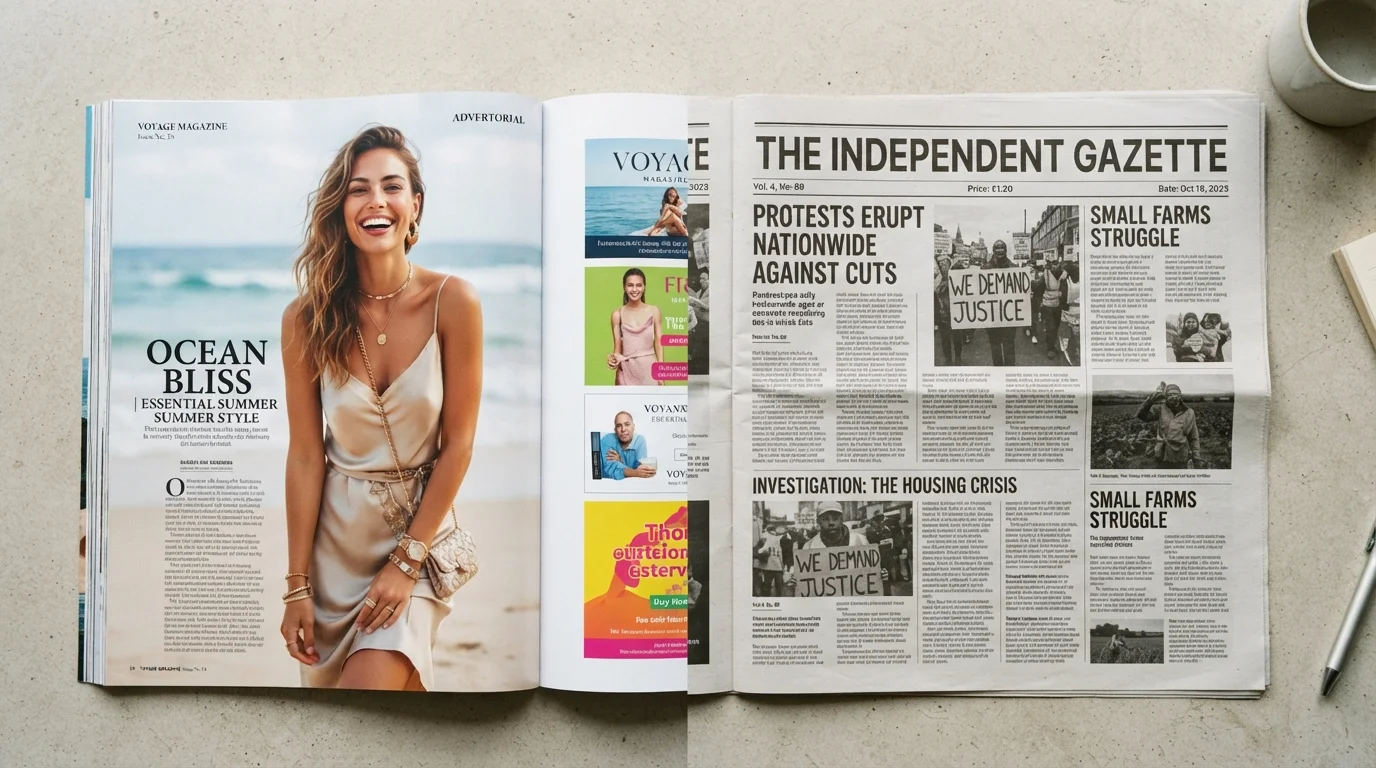
Photo credit: Wiseturt.com | Blogs Curated For You
In this article
Much of what looks like independent advice online is paid for. Here's how to identify the difference and find genuinely neutral sources.
Key Takeaways
- Sponsored content is paid for by a brand; editorial coverage is produced independently by journalists or reviewers.
- U.S. law (FTC guidelines) requires sponsored content to be clearly labeled, but labels are often easy to miss.
- Look for disclosure language such as 'Sponsored,' 'Partner Content,' or 'Paid Post' near the headline.
- Editorial outlets may still have conflicts of interest through advertising relationships - check their funding model.
- Cross-referencing multiple independent sources is a reliable way to filter out commercially motivated claims.
- Knowing who controls the message is the single most useful question to ask about any online content.
What Each Type of Content Actually Is
Sponsored content is material that a company pays a publisher to produce and distribute. The publisher may write it, or the brand may supply it directly. Either way, the brand controls the core message - which claims are made, which are omitted, and how the product or service is framed. It is designed to look and read like regular editorial content, which is precisely what makes it effective advertising.
Editorial coverage is produced by journalists, editors, or independent reviewers who choose what to cover based on newsworthiness, usefulness, or public interest - not on who is paying. The publisher retains full control of the angle, the conclusions, and which sources are quoted. A critical finding cannot be removed because a company objects.
The key structural difference: in sponsored content, the brand is the client. In editorial coverage, the reader is.
| Criterion | Sponsored Content | Editorial Coverage |
|---|---|---|
| Who controls the message | The paying brand | The publisher / journalist |
| Funding source | Brand payment or contract | Subscriptions, ads, grants, or licensing |
| FTC disclosure required | Yes - legally required | No - not paid placement |
| Likelihood of critical findings | Low - brand can suppress negatives | Higher - editor has final say |
| Author accountability | Often brand studio or unnamed | Usually named journalist or reviewer |
| Typical call to action | Buy, sign up, or visit brand site | Further reading or source citation |
| Trust as consumer research | Limited - treat as advertising | Higher - verify outlet's funding model |
How to Spot the Difference in Practice
U.S. Federal Trade Commission (FTC) guidelines require that paid content be clearly and conspicuously disclosed. In practice, disclosures are sometimes placed in small print, in muted colors, or using vague terms like 'Partner Studio' rather than the plain word 'Advertisement.' Here's what to look for:
- Labels near the headline: Words such as 'Sponsored,' 'Paid Post,' 'Partner Content,' 'Promoted,' or 'Advertisement' are the clearest signals. If none appear, that alone doesn't confirm independence.
- Byline and author identity: Sponsored pieces are sometimes attributed to a brand, a 'brand studio,' or a generic team name rather than a named journalist with a verifiable track record.
- Absence of criticism: Genuine editorial coverage will include limitations, trade-offs, or counterpoints. If every paragraph presents a product favorably, treat that as a signal.
- Links and calls to action: Sponsored content frequently links directly to a product page or a purchase pathway. Editorial content links to sources, studies, or related reporting.
For a deeper look at what separates credible reviews from manufactured ones, see our guide to trustworthy online reviews.
FTC Disclosure Rules in Plain Terms
The FTC's Endorsement Guides require that any material connection between a publisher and a brand - including payment, free products, or business relationships - be clearly disclosed to readers. This applies to blog posts, social media, video content, and traditional publisher sites. If you cannot find a disclosure after a reasonable search, assume a potential conflict exists and seek a second source before relying on the content for a purchasing decision.
Why Editorial Coverage Isn't Automatically Neutral
Independent editorial coverage is structurally more trustworthy than sponsored content, but it is not immune to commercial influence. Publishers that rely heavily on display advertising or affiliate commissions may avoid coverage that upsets major advertisers. Some outlets publish affiliate-linked 'editorial' reviews in which higher-commission products appear more prominently - without clear disclosure.
Useful checks for editorial credibility include: Does the outlet publish a clear editorial policy? Are writers named and verifiable? Does the site disclose affiliate or sponsorship relationships? Does coverage include both positives and negatives?
Understanding how reviews originate - whether from the retailer, an independent lab, or an influencer - is another layer of the same question. Our article on first-party vs. third-party reviews explains how to weigh each source type.
68%
Readers who can't identify native ads
A study by researchers at Stanford and the University of California found that a majority of adults could not reliably distinguish sponsored content from editorial articles when disclosures were present but small.
~$21B
U.S. native advertising spend (projected)
Industry forecasts from eMarketer have projected U.S. native advertising expenditure in the tens of billions of dollars annually, reflecting how central sponsored content has become to digital publishing revenue.
For consumers navigating complex purchase categories - insurance products, real estate listings, or vehicle maintenance decisions - the stakes of mistaking sponsored content for independent advice are higher. In those areas, seek out sources whose funding model you can verify, and consult licensed professionals for decisions that affect your finances or safety.
If you encounter ratings-based research that seems too tidy, see our coverage of common myths about online ratings for context on how aggregated scores can mislead.

Author
Smart Shopping Editorial Team
Smart Shopping Editorial Team is the collective byline for our editorial team and contributor network. Articles published under this byline or an editorial pen name are researched, written, and reviewed according to our editorial standards for clarity, consistency, and independence before publication.
View all articles →