
Spending Triggers: A Personal Checklist for Identifying Habits That Leak Money
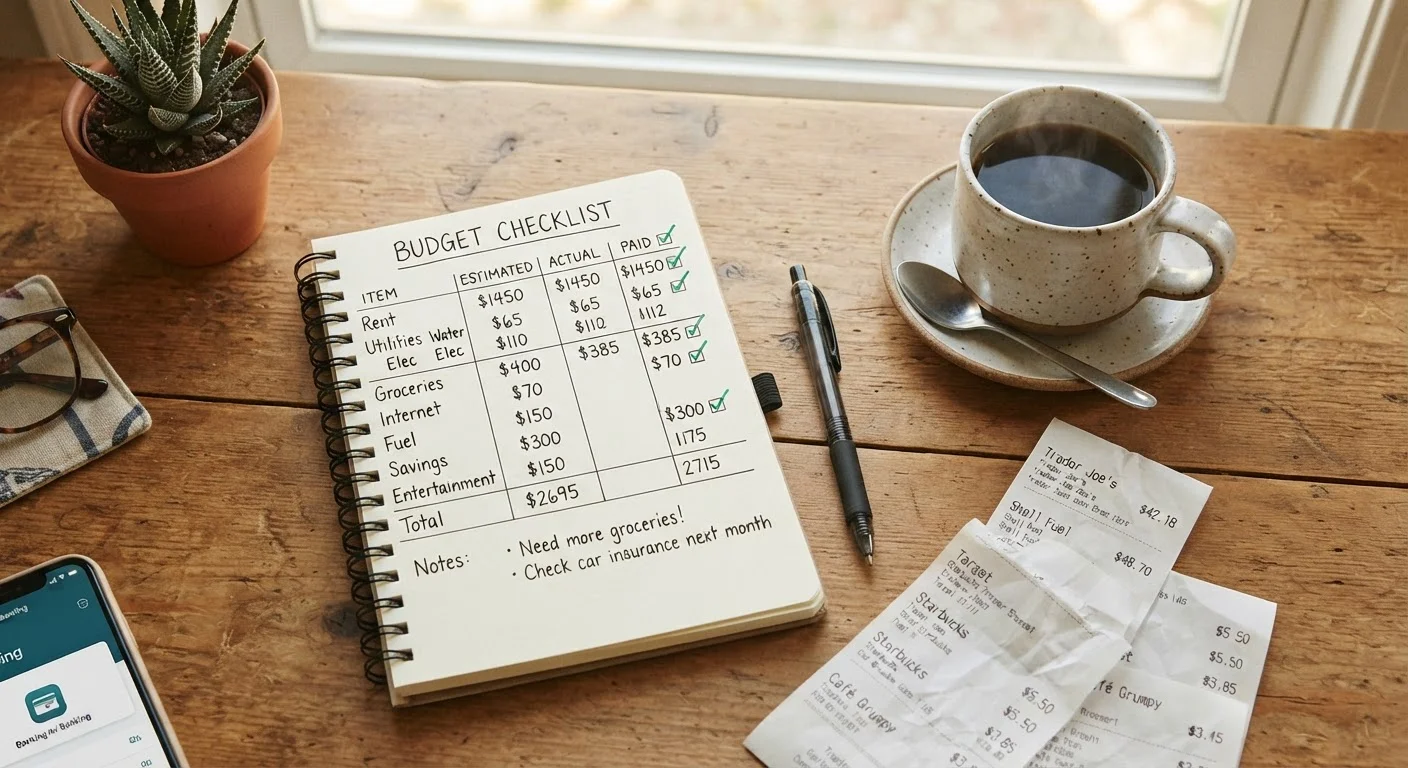
Photo credit: Wiseturt.com | Blogs Curated For You
In this article
Use this checklist to identify recurring spending patterns — from subscription creep to stress shopping — that quietly drain your budget each month.
Key Takeaways
- Spending triggers are emotional, environmental, or habitual cues that prompt unplanned purchases.
- Subscription creep and convenience spending are among the most common silent budget drains.
- Identifying your personal triggers is the first step - changing behavior follows awareness.
- A written review of the past 30-60 days of transactions is essential for accurate self-assessment.
- Most people underestimate small recurring costs by 20-40% when relying on memory alone.
Why Spending Triggers Are Hard to See
Overspending rarely happens in one dramatic moment. It accumulates through dozens of small decisions that feel reasonable in isolation - a subscription you rarely use, a lunch out when you meant to pack food, a late-night purchase after a stressful day. These patterns are called spending triggers: the emotional, environmental, or situational cues that nudge you toward spending money you didn't plan to spend.
The challenge is that triggers work below the level of conscious decision-making. By the time you notice the pattern, the money is already gone. That's why a structured checklist approach - rather than relying on memory or intuition - is more effective for identifying where your budget quietly leaks. For a broader view of overlooked costs, the household budget leak patterns article maps out the categories most people miss.
Use this checklist over the course of 20-45 minutes with your last 30-60 days of bank and credit card statements in hand. Honest recognition - not self-criticism - is the goal.
Don't Rely on Memory for This Exercise
Most people significantly underestimate how much they spend in categories like dining, subscriptions, and convenience purchases when asked to recall from memory. The checklist only works if you have actual statements in front of you. Estimates and impressions will produce incomplete results and may cause you to overlook your most significant triggers.
Tools You'll Need Before Starting
Gathering the right materials before you begin makes the audit faster and more accurate. Don't rely on memory - the whole point is to surface patterns you haven't consciously noticed.
Bank and credit card statements (60 days)
Provides the factual transaction record needed to identify patterns - memory alone is unreliable.
Spreadsheet or budgeting notebook
Used to tally spending by category and record trigger observations as you work through the checklist.
Budgeting or expense-tracking app
Can automatically categorize transactions, making pattern identification faster if already in use.
Highlighters or colored pens
Useful for color-coding statement printouts by trigger type (emotional, subscription, convenience, social).
The Spending Trigger Checklist
Work through each group below, marking items that apply to your recent spending history. This isn't a test - it's a diagnostic. The more honestly you engage, the more useful the output. Once you've completed it, a full spending audit can help you quantify the dollar impact of each trigger you identify.
Emotional & Stress Spending
Subscription & Auto-Renewal Creep
Convenience & Friction-Free Spending
Social & Environmental Triggers
Budget Blind Spots
Awareness Alone Doesn't Change Behavior
Completing this checklist tells you where the leaks are - it doesn't seal them automatically. For each trigger you identify, you need one concrete structural change: removing a saved card, unsubscribing from a list, or setting a waiting period before purchasing in that category. Without a follow-up action, even accurate self-awareness tends to fade within a few weeks.
What to Do With Your Results
After completing the checklist, you'll likely have a short list of recurring patterns. Prioritize the ones that appear most frequently or carry the highest dollar value - not the ones that feel the most dramatic. A $14.99 subscription you've forgotten about matters more than a single $30 impulse buy you regret.
For each identified trigger, write one simple friction step: unsubscribe from a mailing list, delete a saved payment method, or set a 24-hour rule before purchasing in a specific category. Small structural changes reduce future trigger exposure without requiring constant willpower.
To turn these findings into an ongoing routine, consider building them into a monthly budget reset so that trigger patterns get reviewed - not just identified once. For recurring charges specifically, the subscription audit guide offers a structured approach to evaluating each charge. And for building long-term resilience against irregular expenses, sinking funds are worth understanding as a complementary strategy.
This article is for general informational and educational purposes only and does not constitute personalized financial or budgeting advice. Individual financial circumstances vary. Consider consulting a qualified financial professional for guidance tailored to your situation.

Author
Smart Shopping Editorial Team
Smart Shopping Editorial Team is the collective byline for our editorial team and contributor network. Articles published under this byline or an editorial pen name are researched, written, and reviewed according to our editorial standards for clarity, consistency, and independence before publication.
View all articles →