
Where Most Household Budgets Quietly Leak Money
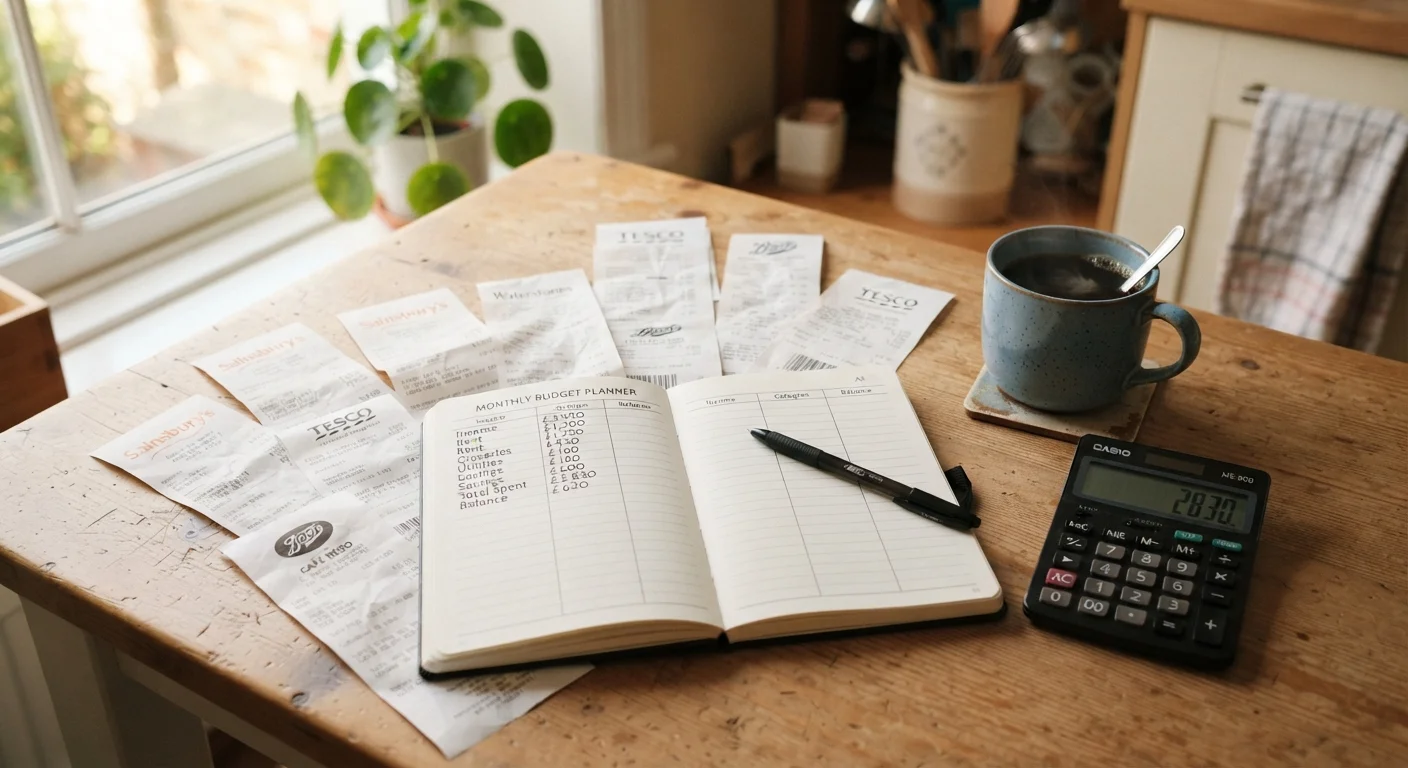
Photo credit: Wiseturt.com | Blogs Curated For You
In this article
Small, overlooked expenses can quietly drain savings over months. Here are the spending patterns that most often go unnoticed in household budgets.
Key Takeaways
- Subscription creep - paying for unused services - is one of the most common silent budget drains.
- Irregular but predictable expenses catch many households off guard because they aren't tracked monthly.
- Convenience spending on food and delivery adds up faster than most people estimate.
- Reviewing bank statements monthly is one of the simplest ways to spot spending leaks early.
Why Budget Leaks Are So Hard to Catch
Most household budgets account for the obvious: rent or mortgage, utilities, car payments, and groceries. What they routinely miss are the smaller, recurring charges that individually feel inconsequential but collectively drain significant savings over time. These aren't the result of reckless spending - they're the byproduct of habits, automation, and a natural tendency to underestimate small amounts.
Understanding where these leaks occur is the first step toward plugging them. The patterns described below are among the most common reported by financial counselors and budgeting researchers. If you recognize several of them, that's not unusual - and it's entirely fixable.
For a broader look at the expense categories that households routinely overlook, see budget categories every household should track.
Paying for subscriptions that are rarely or never used.
Why it happens: Free trials convert to paid plans automatically, and monthly charges small enough to ignore individually accumulate into significant annual costs without triggering concern.
Underestimating food delivery and convenience spending.
Why it happens: Individual orders feel small and justified in the moment, especially during busy or stressful periods. Service fees, tips, and surge pricing are often not registered consciously.
Failing to budget for irregular but predictable expenses.
Why it happens: Annual costs like car registration, insurance renewals, holiday gifts, or professional memberships don't appear on a monthly budget, so they feel like emergencies when they arrive.
Letting lifestyle inflation go unexamined after an income increase.
Why it happens: When income rises, spending often rises proportionally and automatically - through upgraded services, dining out more often, or relaxed attention to prices - without a deliberate decision to do so.
Paying bank fees, late fees, or overdraft charges repeatedly.
Why it happens: These charges are often accepted as unavoidable or go unnoticed on statements, particularly when they're small or infrequent.
Building Better Habits Around Unplanned Spending
Recognizing a pattern is useful; changing it requires a small system. The most effective approach isn't radical austerity - it's structured awareness. A monthly 15-minute review of your bank and credit card statements, categorized by type of purchase, can surface leaks that otherwise remain invisible for months.
$219/mo
Average underestimated subscription spend
A 2022 C+R Research study found consumers underestimate their monthly subscription costs by an average of $219 compared to their actual charges.
~30%
Food budget spent on dining and delivery
The U.S. Bureau of Labor Statistics consistently finds that roughly 30% of household food expenditure goes toward food away from home, including delivery.
For a self-directed approach, a personal spending triggers checklist can help you identify recurring patterns unique to your habits. And for irregular expenses like annual memberships, car repairs, or holiday spending, sinking funds offer a practical way to prepare without being blindsided.
It's also worth noting that the same logic applies beyond the household. If you invest, small fees erode returns just as quietly as subscription charges erode a checking account - see investment fees that quietly erode your returns for more. And if you travel, many of the same overlooked-cost dynamics appear in hidden costs that inflate travel budgets.
Small Amounts Are Not Small Over Time
A $15/month unused subscription costs $180 per year. Five such subscriptions cost $900 annually - money that could otherwise go toward an emergency fund or retirement contribution. The compounding effect of plugging even a few leaks can be meaningful over a multi-year horizon. Don't dismiss a charge just because it's easy to afford in the moment.
This article is for general informational and educational purposes only and does not constitute personalized financial advice. Consult a qualified financial professional for guidance tailored to your specific situation.

Author
Investment & Insurance Editorial Team
Investment & Insurance Editorial Team is the collective byline for our editorial team and contributor network. Articles published under this byline or an editorial pen name are researched, written, and reviewed according to our editorial standards for clarity, consistency, and independence before publication.
View all articles →