
Cultural Sensitivity on Guided Tours: Practices Worth Knowing Before You Go
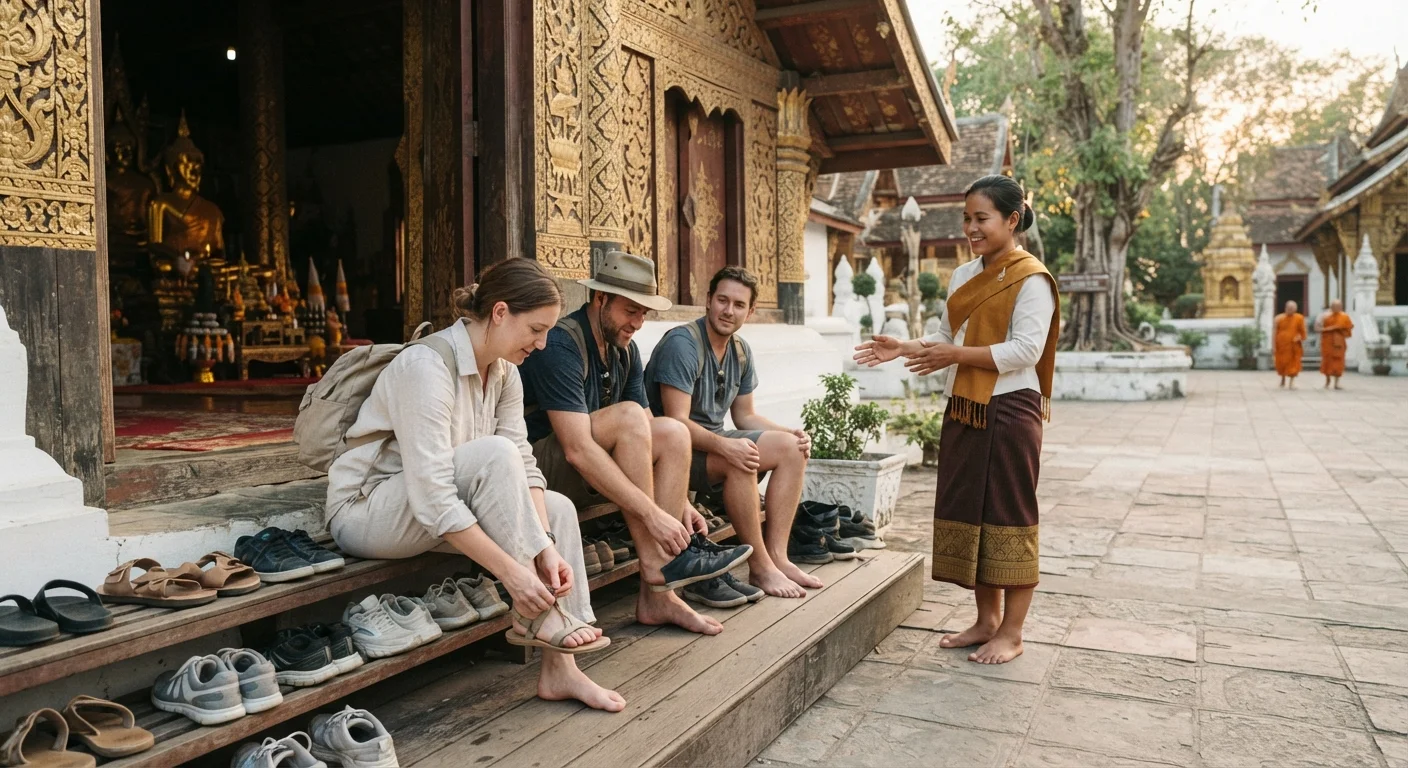
Photo credit: Wiseturt.com | Blogs Curated For You
In this article
Local customs, sacred sites, and community etiquette matter on tours. Here's a grounded overview of respectful traveler behavior.
Key Takeaways
- Researching local customs before departure prevents unintentional disrespect at cultural and religious sites.
- Dress codes, photography rules, and tipping norms vary significantly by destination and context.
- Asking your guide questions is one of the most effective tools for navigating unfamiliar etiquette.
- Purchasing directly from local artisans and vendors supports communities more meaningfully than souvenir shops.
- Cultural sensitivity isn't just polite - it often leads to richer, more memorable travel experiences.
Why Cultural Sensitivity Makes or Breaks a Tour
Guided tours promise access - to hidden neighborhoods, sacred spaces, and local rhythms that independent travelers often miss. But access comes with responsibility. How you behave as a visitor shapes how communities experience tourism, and it directly affects the quality of your own trip.
The good news: cultural sensitivity is mostly learned, not innate. A bit of pre-trip research and genuine curiosity go a long way. Whether you're visiting temples in Southeast Asia, historic markets in Mexico, or indigenous heritage sites in the American Southwest, a few consistent principles apply across the board. See our trip planning hub for a broader framework before you dive in.
“Travel is fatal to prejudice, bigotry, and narrow-mindedness, and many of our people need it sorely on these accounts.”
— Mark Twain, American author, from 'The Innocents Abroad'
Core Practices Every Respectful Traveler Follows
These aren't rigid rules - they're habits that signal genuine respect and tend to create more authentic connections wherever you travel.
Research destination-specific dress codes before packing
Many religious and cultural sites enforce strict dress requirements - covered shoulders, long pants, or specific footwear. Arriving unprepared can result in being turned away or borrowing uncomfortable loaners. Knowing in advance lets you pack purposefully and move through sites without friction.
Always ask before photographing people or sacred spaces
Photography norms are deeply cultural. In some communities, being photographed without permission is considered intrusive or spiritually harmful. In others, it's simply rude. Assuming permission is always the wrong default.
Follow your guide's cues on volume, movement, and timing
Local guides read the room in ways visitors can't. They know when a space calls for quiet, when it's appropriate to linger, and when a group needs to move on to respect other worshippers or residents.
Buy directly from local makers when given the opportunity
Where you spend money on tour matters. Purchasing from local artisans or market vendors keeps economic benefit in the community rather than routing it through intermediaries. It also creates more genuine exchanges.
Learn a few words in the local language
Even a basic greeting or thank-you in the local language signals effort and goodwill. It shifts the dynamic from tourist-and-attraction to human-and-human, which almost always produces warmer interactions.
Quick Ways to Start Right Before You Even Board the Plane
You don't need to become an anthropologist before your trip. A few targeted actions in the days before departure can dramatically reduce the chance of an awkward - or genuinely offensive - misstep. Travelers heading to unfamiliar regions often underestimate how much context shapes simple interactions. For example, common surprises in Southeast Asia range from temple entry requirements to tipping customs that differ sharply from US norms.
This article is for general informational purposes. Customs, rules, and entry requirements vary by destination and can change - always verify current guidance with official government sources and your tour operator before traveling.
Working With Your Guide, Not Around Them
Local guides are one of the most underused resources on any tour. They know which behaviors will be noticed, which questions are welcome, and which moments call for quiet observation. Treat their guidance as expert insight rather than logistics management.
Your Guide Is a Cultural Bridge, Not Just a Narrator
Experienced local guides often have relationships with the communities you're visiting that span years or decades. When a guide tells you something is off-limits or suggests a different approach, that instruction typically reflects trust they've built - and want to protect. Respecting those boundaries isn't just courteous; it helps preserve access for future visitors. If you're curious about why a particular rule exists, ask privately rather than questioning it in the moment in front of the group.
When you're evaluating a tour before booking, it's worth understanding how operators describe their cultural commitments. Our guide on reading tour operator listings carefully can help you spot genuine cultural emphasis versus marketing language. And if community impact matters to you, our overview of voluntourism provides honest context on what meaningful engagement looks like.

Author
Travel & Tours Editorial Team
Travel & Tours Editorial Team is the collective byline for our editorial team and contributor network. Articles published under this byline or an editorial pen name are researched, written, and reviewed according to our editorial standards for clarity, consistency, and independence before publication.
View all articles →