
A Traveler's Introduction to Voluntourism - and Its Complications
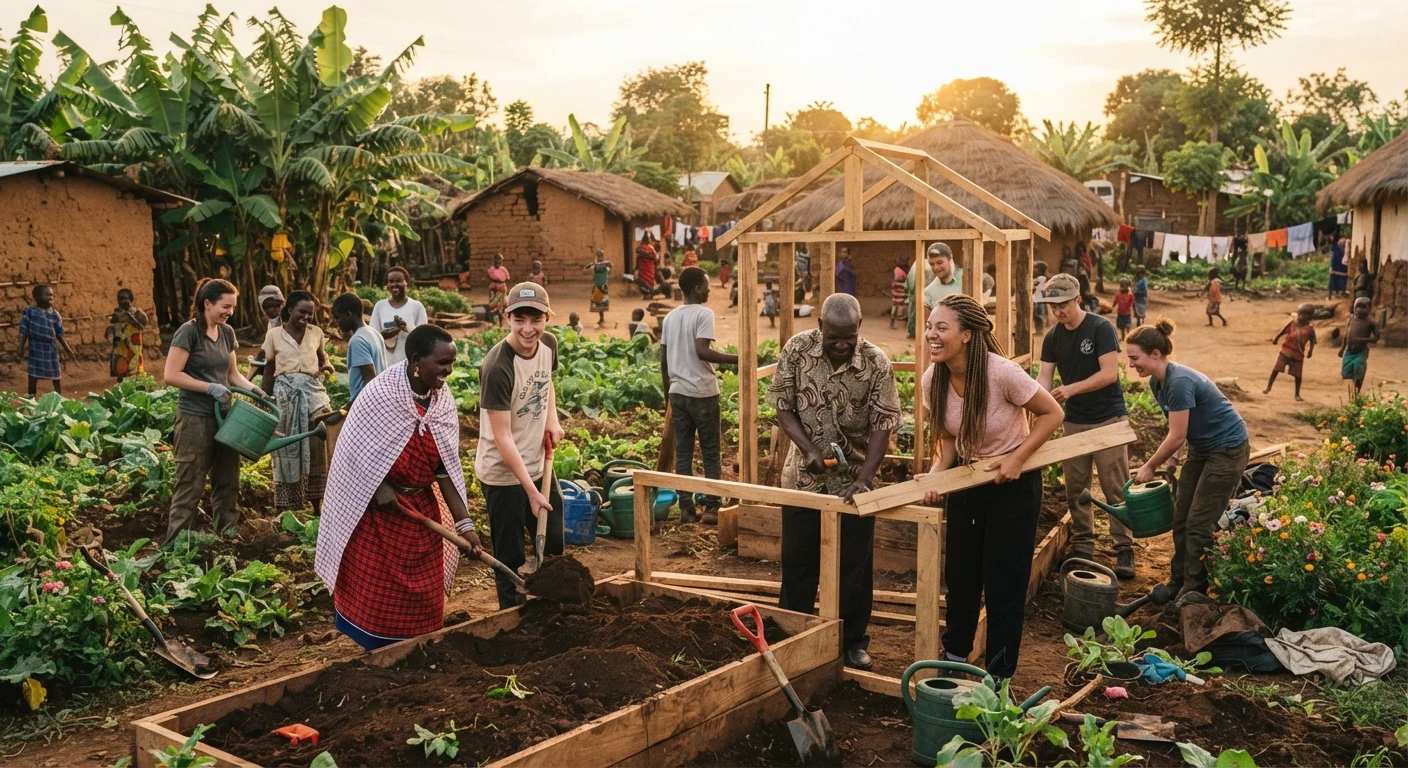
Photo credit: Wiseturt.com | Blogs Curated For You
In this article
Voluntourism promises meaningful impact but carries real ethical concerns. An honest overview for travelers considering community-based programs.
Key Takeaways
- Voluntourism blends travel with volunteer work, but program quality and community impact vary enormously.
- Short-term volunteer trips can sometimes do more harm than good if poorly designed or community-led.
- Responsible programs prioritize community-identified needs, local employment, and long-term continuity.
- Asking pointed questions before booking is the single most effective way to distinguish genuine programs from exploitative ones.
- Cultural humility and realistic expectations are essential for any traveler considering volunteer travel.
What Is Voluntourism?
Voluntourism - a blend of "volunteer" and "tourism" - refers to travel experiences that incorporate organized volunteer work, typically in developing regions or underserved communities. Participants might help construct school buildings, assist in wildlife conservation, teach English, or support environmental cleanup projects, all while experiencing a new country or culture.
It's a genuinely broad category. Some programs run through established nonprofits with deep community roots. Others are offered by commercial tour operators where the volunteer component is more of an add-on than a core mission. Understanding which type you're looking at is step one.
Voluntourism
A form of travel that combines tourism with organized volunteer work, usually in service of a community or conservation project at the destination.
Community-led development
An approach where the local community identifies its own needs and leads the design of projects, rather than having outside organizations impose solutions.
Skill displacement
When unpaid volunteers perform work that local people could be hired and paid to do, reducing local employment and income in the host community.
Orphanage tourism
A subset of voluntourism involving visits or volunteer work at children's residential institutions, which has attracted serious child welfare concerns from researchers and advocacy groups.
Cultural humility
An ongoing, self-reflective attitude of openness to learning from and about another culture, recognizing that one's own perspective is limited and potentially biased.
Program sustainability
Whether the positive outcomes of a volunteer project continue after volunteers leave - relying on local capacity rather than perpetual outside intervention.
If you're already familiar with how tour listings can obscure key details, you'll recognize the challenge here - see our guide to reading tour operator listings for a useful framework to apply.
The Appeal - and Why It Deserves Scrutiny
The draw is understandable. Many travelers want more than photographs - they want connection, contribution, and a sense that their presence in a place left something positive behind. Voluntourism markets itself as exactly that: travel with purpose.
But genuine impact is harder to deliver than a brochure suggests. The desire to do good doesn't automatically produce good outcomes. A short-term traveler with no construction experience building a wall that local tradespeople then quietly dismantle and redo is a scenario that has been documented and discussed by development researchers for years. Good intentions and positive outcomes are not the same thing - and that gap is worth sitting with honestly before booking.
Start With Honest Self-Assessment
Before exploring programs, ask yourself: What skills do I actually bring? How long can I realistically commit? Am I open to doing unglamorous, background tasks if that's what's genuinely needed? Volunteers who approach placements with flexibility and humility - rather than a fixed idea of their own heroism - tend to contribute more meaningfully and leave with a more grounded experience.
Common Ethical Concerns
Critics of voluntourism - including development economists, child welfare organizations, and anthropologists - have raised several recurring concerns:
- Displacement of local workers: When volunteers perform tasks that local people could be paid to do, program fees go abroad instead of into the community economy.
- Orphanage tourism: Programs centered on visiting or working in orphanages have faced serious scrutiny. Research has raised concerns about child welfare implications when institutions profit from tourist access to vulnerable children.
- Skill mismatch: Unskilled volunteers placed in medical, construction, or education roles may produce lower-quality outcomes than trained local professionals.
- Sustainability gaps: Projects begun by rotating volunteer groups sometimes stall or reverse when teams leave, creating community dependency rather than lasting capability.
- Traveler-centered framing: When the marketing centers on how enriching the experience will be for you, it's worth asking who the program is actually designed to serve.
None of these critiques mean voluntourism is inherently wrong - they mean program design and community leadership are everything. For a related look at how operators can misrepresent their social and environmental commitments, our piece on vetting ecotour operators applies many of the same principles.
Be Cautious of Programs Involving Children
Programs that center on spending time with orphaned or vulnerable children have attracted particular scrutiny from child welfare organizations and researchers. Some facilities have been found to exploit children for tourism revenue. If a program's central draw involves direct, repeated access to children in residential care, research it with extra care and look for guidance from reputable child protection organizations before proceeding.
Signs of a More Responsible Program
Not all voluntourism is created equal. Programs that researchers and development practitioners tend to view more positively share certain characteristics:
- Community-led design: The host community identified the need and shapes how it's addressed - volunteers aren't importing an outside agenda.
- Local employment is prioritized: Skilled roles are filled by local professionals; volunteers handle supplemental tasks.
- Fees are transparent: The organization can explain what percentage of program fees reach the community versus covering operational or organizational costs.
- Long-term partnerships exist: The program has an ongoing relationship with the community, not just a rotating cast of tourists.
- Volunteer preparation is serious: Orientation covers cultural context, local history, and appropriate behavior - not just logistics.
Cultural humility matters just as much as project competence. Our piece on cultural sensitivity on guided tours is worth reading before any community-based travel experience.
Questions to Ask Before You Commit
Before putting down a deposit, push past the program description and ask directly:
- Who in the community requested this project, and how are community members involved in program decisions?
- What percentage of my program fee goes directly to the host community or project?
- What happens to the project when volunteers leave - is there a local team that continues the work?
- What skills or background do you recommend I have, and what happens if I'm not qualified for a task?
- Can you connect me with past volunteers or community partners for references?
Programs with nothing to hide will answer these questions willingly. Evasive or vague responses are a useful signal. Misaligned expectations are behind most volunteer travel disappointments - our piece on why travelers regret their tour bookings covers the broader pattern in more detail.
For travelers drawn to purposeful travel, voluntourism at its most thoughtful can be genuinely meaningful. The work is in the vetting - and the willingness to question whether your presence is truly what a community needs most. Sometimes the most impactful thing a traveler can do is spend money well and travel respectfully. That's a legitimate form of contribution too.
This article is for general informational purposes only. Program details, community impact, and organizational practices vary widely. Travelers should conduct their own research and verify claims with program organizers and independent sources before committing.
Frequently Asked Questions

Author
Travel & Tours Editorial Team
Travel & Tours Editorial Team is the collective byline for our editorial team and contributor network. Articles published under this byline or an editorial pen name are researched, written, and reviewed according to our editorial standards for clarity, consistency, and independence before publication.
View all articles →