
What 'Authentic Local Experience' Actually Means - and How to Find One
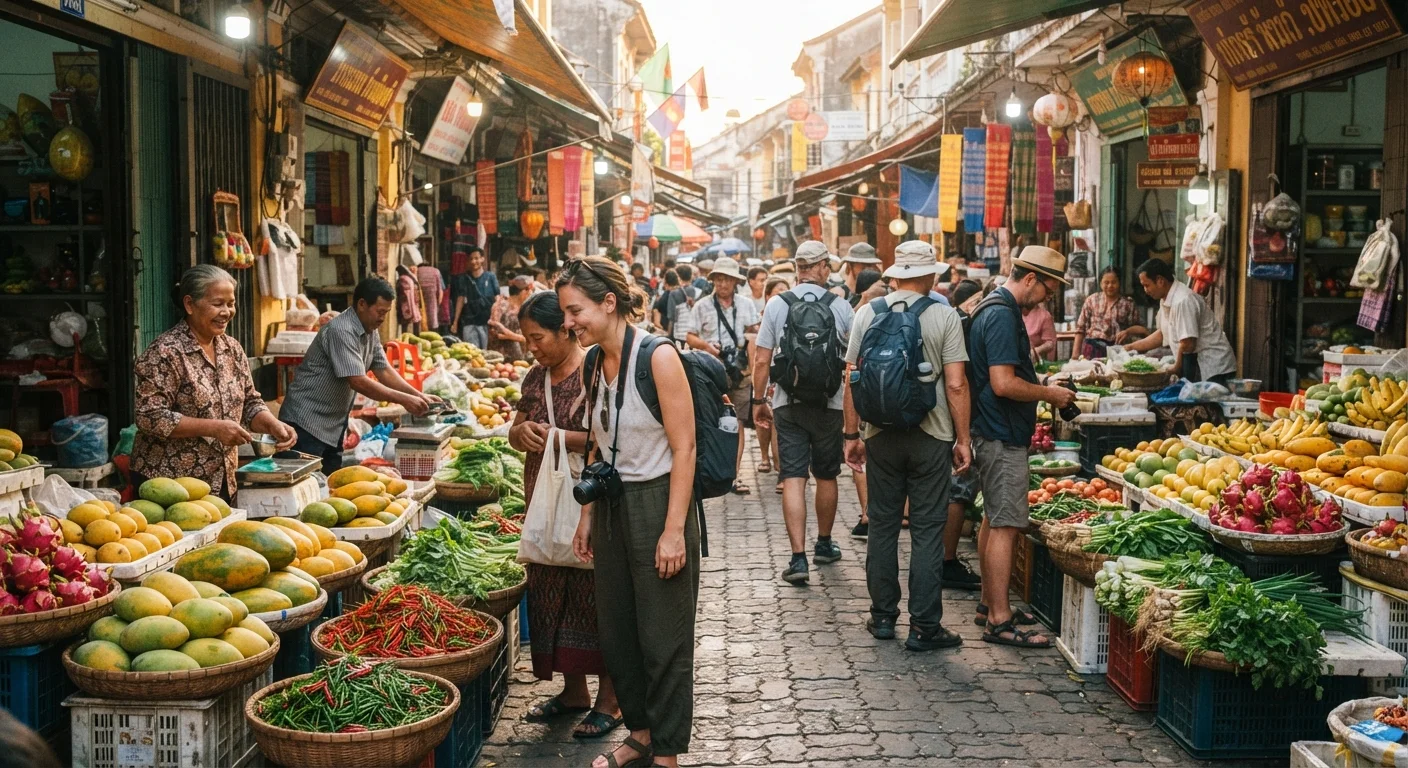
Photo credit: Wiseturt.com | Blogs Curated For You
In this article
The phrase gets overused, but genuine local experiences do exist. Here's how to tell the difference and what to look for when booking.
Key Takeaways
- Authentic experiences are defined by community origin, not just marketing language.
- The phrase 'authentic' in listings is unregulated and often used loosely by operators.
- Locally led, resident-oriented activities tend to offer more genuine cultural insight.
- Peer reviews mentioning specific local details are more reliable than promotional copy.
- Slowing down and staying longer in fewer places increases authentic engagement.
Why the Word 'Authentic' Has Lost Its Meaning
Walk through any travel booking platform and you'll find the word authentic attached to everything from helicopter tours to hotel buffets. It's used so freely that it's nearly meaningless as a filter. That's a problem - because the underlying concept it points toward is genuinely valuable.
What travelers are usually searching for when they use the word is something real: a moment of genuine connection with a place, its people, or its history. That's a reasonable and worthwhile goal. The challenge is that the tourism industry has learned to package that desire and sell it back, often without delivering the substance behind it.
Understanding what authentic actually means - structurally, not just emotionally - is the first step to finding it.
Authenticity Is a Spectrum, Not a Switch
Not every tourist-facing experience is inauthentic, and not every locally rooted one is perfect. A popular attraction can still carry genuine cultural weight; a community-hosted event can still be poorly organized. Think of authenticity as a quality to look for in layers - origin, leadership, specificity - rather than a simple yes-or-no judgment.
The Clearest Way to Define It
Here's a simple test: Would this experience exist if tourists weren't paying for it? A neighborhood food market where locals shop for dinner - that exists on its own terms. A "traditional cooking demonstration" held only for tour groups in a venue built for that purpose - that's a different thing entirely, not necessarily without value, but not the same.
Authentic local experiences tend to share a few structural qualities:
- Community origin: They arise from the genuine practices of people who live there, not from tourism demand alone.
- Local leadership: They're guided or hosted by people who have real stakes in the place - not just trained presenters performing a role.
- Cultural specificity: They reflect particular neighborhoods, traditions, or histories rather than a generalized version of a region.
This doesn't mean anything designed for visitors is automatically fake. A well-run food tour led by a local chef who actually cooks that cuisine can be deeply authentic. What matters is origin, ownership, and depth. For a closer look at what that looks like in practice, see what separates a well-run food tour from a tourist tasting circuit.
How to Find Genuine Experiences in Practice
The good news is that real local experiences aren't rare - they just require a slightly different search approach.
Ask One Key Question Before Booking
Before committing to any experience marketed as 'authentic,' ask: Does the host or guide live and work in this community? A local guide with genuine ties to the neighborhood will almost always provide more meaningful context than a regional operator running multiple routes. Look for this detail in the host bio, not just the listing title.
Read reviews for specificity, not volume. A listing with 200 five-star reviews that all say "amazing!" tells you less than 30 reviews where people describe a specific conversation with their guide, a dish they'd never heard of, or a neighborhood detail that surprised them. Specificity is a signal of genuine engagement.
Follow local voices, not algorithmic rankings. Local bloggers, community Facebook groups, neighborhood newsletters, and city subreddits often surface experiences that haven't been optimized for tourism yet. These are worth the extra search effort.
Look for small group sizes and personal hosting. Experiences that cap group size and involve real interaction with a host who knows the area personally tend to deliver more than large-scale operations built for throughput.
If you're thinking about structuring your whole trip around this approach, planning around experiences rather than destinations is a mindset worth exploring before you book anything.
What to Watch Out For When Booking
Marketing language in travel listings can be just as misleading as in other industries - and learning to read past it matters. Just as savvy shoppers learn to spot genuine deals from inflated markdowns, travelers benefit from knowing which listing phrases are meaningful and which are filler.
72%
Travelers prioritizing local cultural experiences
According to a widely cited Booking.com survey, nearly three-quarters of respondents said they wanted to experience local culture when traveling - yet most struggled to find experiences that felt genuine.
3x
Engagement depth: small vs. large group tours
Travel researchers have consistently noted that small-group and locally hosted experiences generate significantly more participant interaction and reported cultural learning than large-scale group tours.
Phrases like "off the beaten path," "hidden gem," and "like a local" appear in thousands of heavily marketed tour listings. They describe a feeling the operator wants you to have - not necessarily a reality. Ask instead: Who leads this? Where do the proceeds go? What's the group size? Can I find this person or organization mentioned outside the booking platform?
For experiences in cities, neighborhood and community-based urban tours are increasingly offering exactly the kind of local grounding that landmark tours often can't. The format has grown precisely because travelers have started asking better questions.
This article is for general informational purposes only. Travel conditions, availability, and local contexts vary and may change; always verify details with providers and official sources before booking.
Frequently Asked Questions

Author
Travel & Tours Editorial Team
Travel & Tours Editorial Team is the collective byline for our editorial team and contributor network. Articles published under this byline or an editorial pen name are researched, written, and reviewed according to our editorial standards for clarity, consistency, and independence before publication.
View all articles →