
The Anatomy of a Well-Run Food Tour
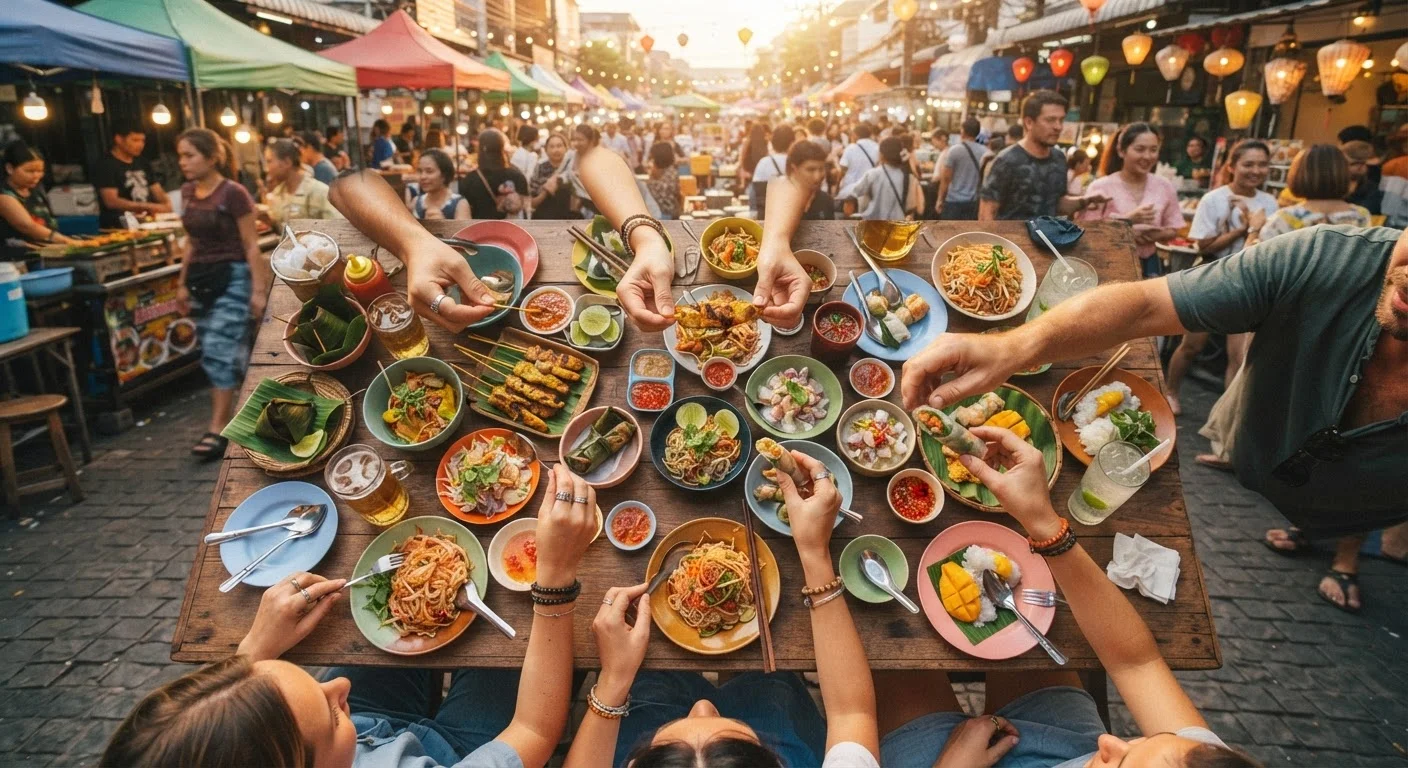
Photo credit: Wiseturt.com | Blogs Curated For You
In this article
What separates a memorable culinary tour from a rushed tasting circuit? A look at the elements that make food tours genuinely educational.
Key Takeaways
- A food tour's value comes from storytelling and context, not just the quantity of tastings.
- Knowledgeable guides with genuine local ties are the single biggest differentiator in tour quality.
- Small group sizes allow for spontaneous detours and real conversations with vendors.
- The best food tours visit working neighborhood spots, not venues set up primarily for tourists.
- Pacing matters - a rushed tour sacrifices the cultural depth that makes the experience memorable.
What Actually Separates a Great Food Tour from a Mediocre One
Food tours have become a staple of city tourism, and that popularity has produced a wide spectrum of quality. At one end: an eight-stop walking experience where a passionate local guide connects each dish to a neighborhood's immigrant history, agricultural roots, and evolving identity. At the other: a rushed tasting circuit through venues that exist primarily to service tour groups, with commentary that could have been lifted from a Wikipedia summary.
The difference isn't the food itself - it's the architecture around it. A well-run food tour treats eating as a lens, not a destination. Each stop is chosen because it illustrates something: a technique, a community, a moment in a city's culinary evolution. That curatorial intention is the first thing worth examining when evaluating any tour. See how this connects to what 'authentic local experience' actually means in practice.
~$73B
Global food tourism market size (estimated)
Food tourism has grown into a significant segment of the broader travel industry, reflecting increased traveler interest in culinary experiences as a primary trip motivation.
88%
Travelers who say food is important to their trip experience
A World Food Travel Association survey found the vast majority of travelers consider food a meaningful part of their overall destination experience, not just sustenance.
6-8
Typical stops on a well-paced food tour
Industry practitioners generally consider six to eight thoughtfully chosen stops the sweet spot for balancing variety with meaningful engagement at each venue.
The Guide: Local Knowledge Is the Real Product
No single element shapes a food tour more than the guide. Not the venues, not the portions, not the neighborhood - the guide. A skilled food tour leader brings three things that can't be faked: genuine familiarity with the vendors (not just scripted introductions), command of the cultural and historical context behind each dish, and the interpersonal ability to read the group and adjust accordingly.
Guides who grew up in the neighborhood, who have relationships with the vendors they visit, who can answer unexpected questions without deflecting - these are markers of real expertise. When a guide introduces a vendor by name and steps aside to let that person speak about their own craft, it transforms a tasting into a meeting. That kind of access is what separates food tourism from food consumption.
“The best food guides don't just know what's delicious - they know why it matters to the people who make it and eat it every day. That context is what turns a meal into a memory.”
— World Food Travel Association, Industry body focused on culinary tourism research and standards
For a broader look at how guide quality plays out across tour formats, the comparison in small-group vs. large coach tours is worth reading before you book.
Pacing, Structure, and the Logic of Each Stop
A well-constructed food tour has a narrative arc. Stops aren't random - they build on each other, moving through neighborhoods with geographic logic and introducing flavors in an order that makes sense palate-wise. An abrupt jump from a rich braised dish to a delicate seafood tasting isn't just an awkward sequence; it's a sign that the itinerary hasn't been thought through carefully.
Pacing is equally critical. Participants need enough time at each stop to eat without rushing, ask questions, and absorb the surroundings. Tours that pack ten stops into ninety minutes may impress on paper but tend to feel exhausting rather than enriching. The best operators build in breathing room - a moment to linger at a market stall, watch a preparation technique, or simply take in a block before moving on.
Ask About the Guide's Background Before Booking
Many food tour listings highlight the itinerary but say little about the guide. Before committing, check whether the operator shares guide bios or background - look for genuine neighborhood ties, culinary knowledge, or language fluency relevant to the cuisine. A well-structured tour with an underprepared guide rarely delivers on its promise.
Structure also means knowing when not to over-explain. The strongest food tours alternate between moments of guided context and unstructured discovery, trusting participants to engage with a place on their own terms.
Venue Selection: The Litmus Test of Authenticity
Where a food tour takes you reveals its priorities immediately. Venues that operate independently - family-run bakeries, market stalls with decades of regulars, neighborhood institutions that predate the tour's existence - signal that the operator has done real curation work. Venues that seem to exist primarily in service of tour groups, with laminated menus and tour-ready portions already lined up, tell a different story.
This doesn't mean a food tour must be entirely underground or obscure. Some well-known spots are well-known for good reason, and a skilled guide can offer fresh perspective even on a famous dish. The question is whether the selection reflects genuine knowledge of the food landscape or simply a set of willing commercial partners.
Urban experiences beyond the highlights reel explores how the best city-based tours - food or otherwise - tend to center neighborhoods over landmarks. That framing applies directly here.
When evaluating a food tour listing, look for specificity: named vendors, neighborhood context, descriptions that go beyond generic superlatives. Reading between the lines of tour operator listings can help you decode what operators actually mean versus what they're leaving out.
This article provides general travel information for planning purposes. Availability, pricing, and tour specifics vary by operator and destination - always verify details directly with providers before booking.
Frequently Asked Questions

Author
Travel & Tours Editorial Team
Travel & Tours Editorial Team is the collective byline for our editorial team and contributor network. Articles published under this byline or an editorial pen name are researched, written, and reviewed according to our editorial standards for clarity, consistency, and independence before publication.
View all articles →