
Auto Loan Basics: How Car Financing Actually Works
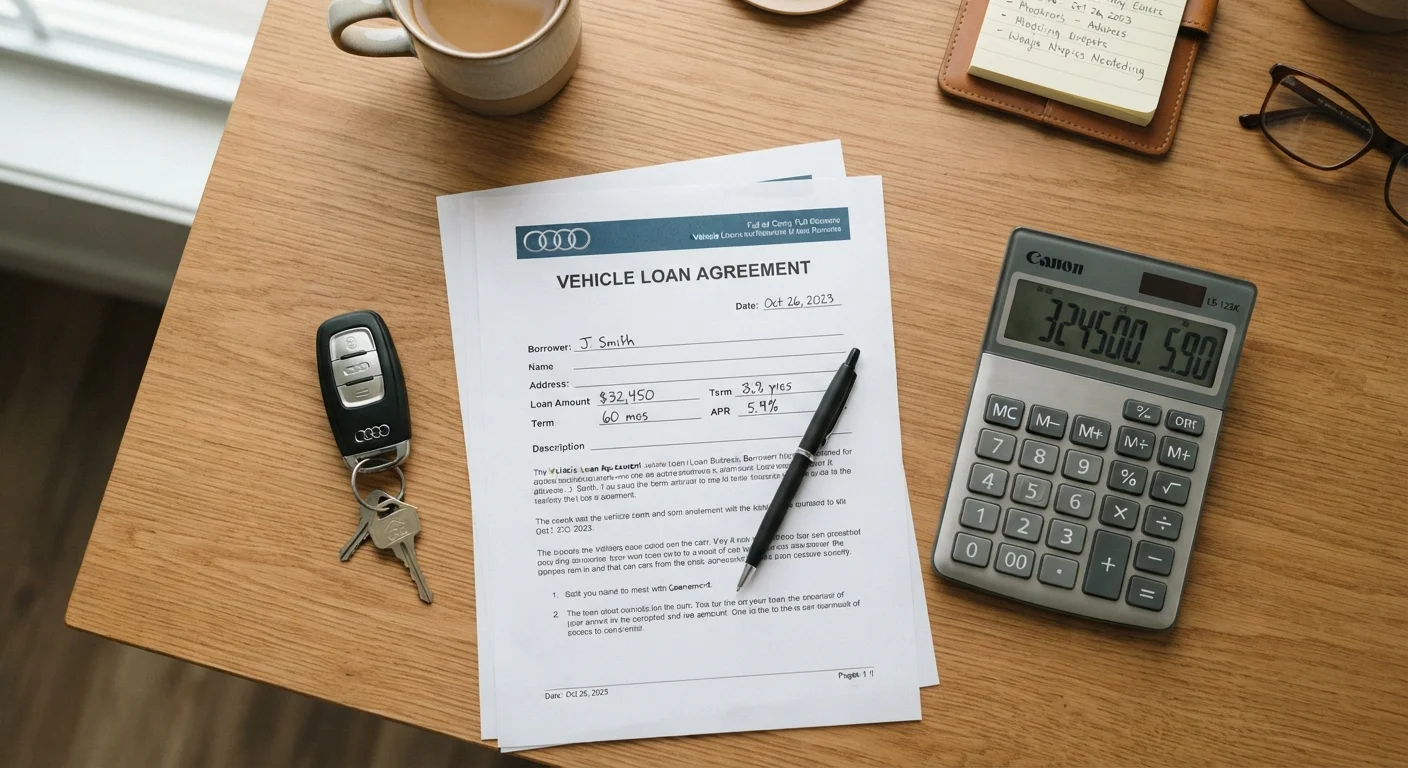
Photo credit: Wiseturt.com | Blogs Curated For You
In this article
Understand interest rates, loan terms, monthly payments, and how lenders evaluate your application before you visit a dealership.
Key Takeaways
- Your credit score is one of the biggest factors lenders use to set your interest rate.
- Longer loan terms lower monthly payments but increase total interest paid over the life of the loan.
- Getting pre-approved before visiting a dealership gives you a clear budget and negotiating leverage.
- The down payment you make reduces your loan amount and can lower your monthly payment.
- APR - not just the interest rate - is the most accurate number to compare across loan offers.
What Actually Happens When You Finance a Car
When you finance a vehicle, a lender pays the seller on your behalf. You then repay the lender over time through monthly installments that cover both the principal - the amount borrowed - and the interest charged for lending you that money. The vehicle is collateral for the loan, which is why lenders can legally repossess it if payments stop.
Three numbers define any auto loan: the loan amount, the APR (Annual Percentage Rate), and the loan term. Together, they determine your monthly payment and how much the car ultimately costs you. Before you set foot in a dealership, understanding how those three factors interact puts you in a much stronger position. See the plain-language glossary of car deal terms for quick definitions of these and other words you'll encounter.
~$40,000
Average new vehicle loan amount in the U.S.
According to Experian's State of the Automotive Finance Market report, the average amount financed for a new vehicle has risen significantly in recent years.
69 months
Average loan term for new vehicles
Experian data has shown average new-vehicle loan terms hovering near or above 68-69 months, reflecting consumer preference for lower monthly payments.
~43%
Share of new-car buyers financing through captive lenders
Captive lenders are financing arms owned by automakers; Experian's automotive finance data shows they hold a significant portion of new-vehicle loan originations.
How Lenders Decide Whether to Approve You - and at What Rate
Lenders evaluate loan applications using several factors. Your credit score carries the most weight - it signals how reliably you've repaid debts in the past. A higher score typically means a lower interest rate offer. Other factors include your income, existing debt load (called your debt-to-income ratio), employment history, and whether the vehicle is new or used.
Used vehicles often carry slightly higher rates than new ones because they present more risk to the lender as collateral. The loan-to-value ratio - how much you're borrowing compared to what the car is worth - also matters. A larger down payment improves this ratio and can help your application. For a deeper look at how your score affects the rate you're offered, see what your credit score actually does to your car loan.
Get Pre-Approved Before You Shop
Reaching out to your bank or credit union for a pre-approval before visiting a dealership takes the rate guesswork out of the equation. Pre-approval shows you the actual rate you qualify for based on your real credit profile - not an estimate. It also keeps your focus on the vehicle's total price rather than just the monthly payment figure a salesperson might anchor the conversation to.
Loan Terms, Monthly Payments, and Total Cost
Auto loan terms in the U.S. commonly range from 24 to 84 months. The math is straightforward: a longer term spreads the same loan balance over more payments, so each payment is smaller. But the lender collects interest the entire time, meaning a 72-month loan on the same vehicle at the same rate costs more in total than a 48-month loan.
Consider a $25,000 loan at 7% APR. Over 48 months, you'd pay roughly $3,700 in total interest. Stretched to 72 months, that same loan costs roughly $5,600 in interest - about $1,900 more, even though the monthly payment feels more manageable. The monthly payment is not the only number that matters; total cost of the loan is equally important to evaluate.
Where to Get Financing - and What to Do Before You Shop
You can finance a vehicle through a bank, credit union, online lender, or the dealership's own financing office. Each source has different processes and rate structures. Getting pre-approved by a bank or credit union before visiting a dealership is a well-regarded strategy - it establishes a rate benchmark and clarifies your actual budget.
Dealer financing can be convenient and occasionally competitive, particularly when manufacturers run promotional rates on new models. However, dealerships sometimes mark up the rate above what the lender actually requires - a practice known as dealer reserve. Comparing your pre-approval offer against dealer financing helps you spot whether you're getting a fair deal. For a side-by-side breakdown of these two paths, see dealer financing vs. bank or credit union loan.
Once you understand how financing works, you're ready to look at the full picture of purchasing a vehicle. The car-buying process from start to finish walks through every stage, and things to verify before signing any car purchase agreement covers what to review in the final paperwork.
This article is for general informational and educational purposes only and does not constitute financial, legal, or lending advice. Loan terms, rates, and eligibility vary by lender and individual circumstances. Consult a licensed financial professional for guidance specific to your situation.
Frequently Asked Questions

Author
Auto Editorial Team
Auto Editorial Team is the collective byline for our editorial team and contributor network. Articles published under this byline or an editorial pen name are researched, written, and reviewed according to our editorial standards for clarity, consistency, and independence before publication.
View all articles →