
Keeping a High-Mileage Car Road-Worthy
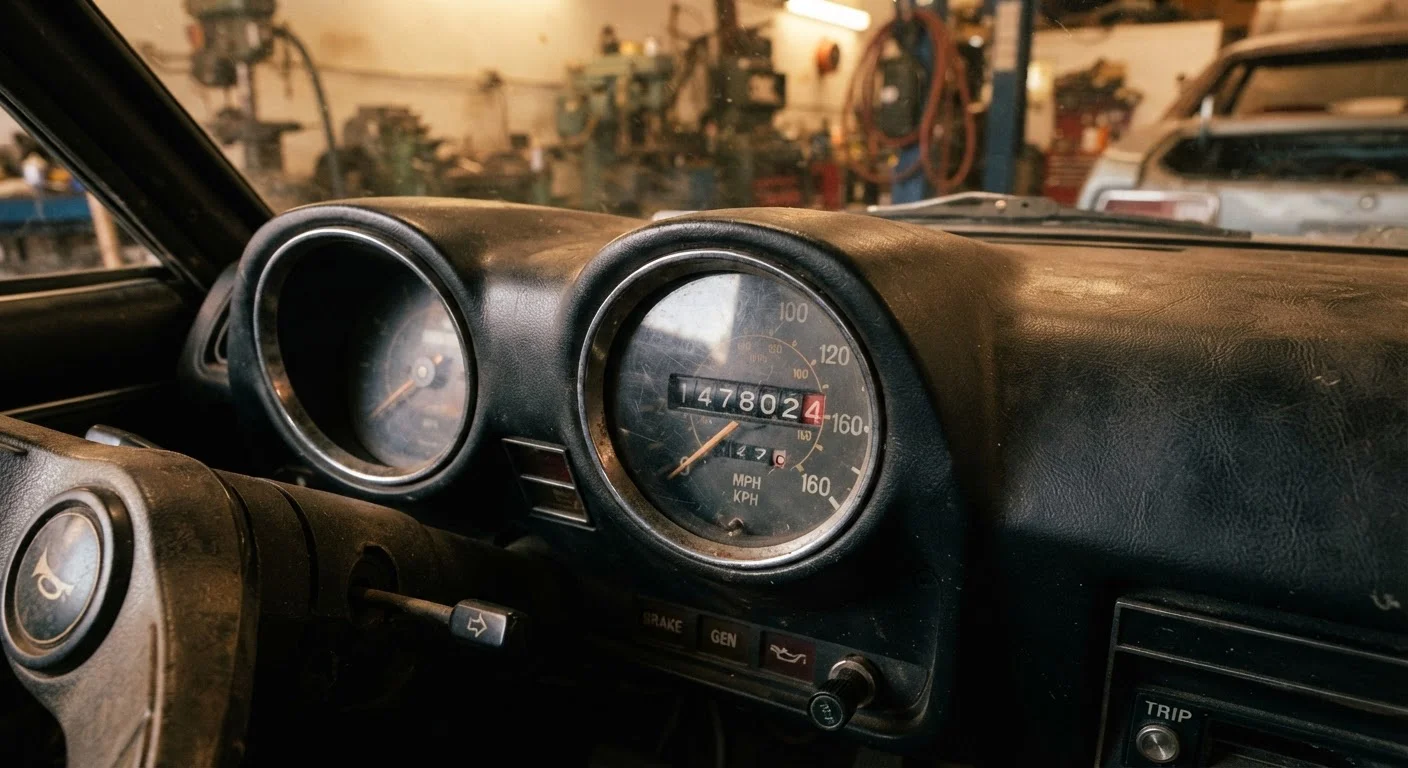
Photo credit: Wiseturt.com | Blogs Curated For You
In this article
Practical guidance on maintaining a vehicle past 100,000 miles—what to monitor more closely and which repairs are worth prioritizing.
Key Takeaways
- High-mileage vehicles need more frequent fluid checks and seal inspections than newer cars.
- Timing belts, coolant hoses, and suspension components are the highest-priority items after 100,000 miles.
- Addressing small leaks and worn rubber parts early prevents far more expensive failures later.
- Consistent oil changes with the right viscosity grade matter more as engines age.
- Knowing which repairs to prioritize helps you keep a reliable car without overspending.
Why 100,000 Miles Is a Turning Point
Crossing 100,000 miles doesn't mean a car is worn out - millions of vehicles run reliably well past that mark. But it does signal a shift in what needs attention. Several components that were designed to last roughly that long will start showing wear around this time, and a few that seemed fine can deteriorate faster once seals, hoses, and belts age together.
The good news is that high-mileage maintenance isn't mysterious. It's mostly about monitoring more closely, being honest about what's changing, and acting before small issues turn into roadside problems. Our annual vehicle check-up walkthrough is a solid starting point if you want a structured way to review your car's systems top to bottom.
~16 years
Average age of vehicles on US roads
According to S&P Global Mobility data, the average age of light vehicles in the US has been rising steadily, reflecting how long drivers are keeping their cars.
1 in 4
Cars on US roads with over 100,000 miles
Industry estimates suggest a substantial share of registered US vehicles have crossed the 100,000-mile threshold, making high-mileage maintenance a mainstream concern.
The Practices That Keep High-Mileage Cars Going
These aren't suggestions for a full rebuild - they're targeted habits and repairs that address the real failure points in aging vehicles. Work through them in order of urgency based on your car's specific history and mileage.
Switch to a high-mileage oil formulation and shorten your change interval if needed.
Engine seals and gaskets become more porous with age, and high-mileage motor oils contain seal conditioners that help reduce minor leaks. Running the correct viscosity - listed in your owner's manual - also reduces wear on components that have already accumulated friction damage.
Inspect and replace the timing belt or chain on the manufacturer's schedule - without exception.
A timing belt failure on an interference engine (one where the pistons and valves share space) typically destroys the engine. Manufacturers publish replacement intervals - commonly between 60,000 and 105,000 miles for belts - and those intervals exist for a reason. Timing chains generally last longer but are not immortal.
Check all rubber hoses and belts for cracking, softness, or swelling.
Coolant hoses, vacuum lines, and accessory drive belts degrade from heat cycling over time. A burst coolant hose can overheat an engine within minutes, causing damage that far exceeds what the hose itself would have cost.
Have the suspension and steering components inspected annually.
Ball joints, tie rod ends, and control arm bushings wear out gradually and affect both handling safety and tire life. By 100,000 miles, these components may be approaching end-of-life depending on road conditions and driving habits.
Monitor the cooling system and flush it on schedule.
Coolant degrades over time, becoming acidic and less effective at preventing corrosion inside the engine and radiator. Old coolant contributes to head gasket failures and radiator leaks, both of which are expensive repairs.
Address oil or fluid leaks promptly rather than topping off indefinitely.
Small leaks are easy to dismiss when topping off fluid is cheap. But ongoing leaks indicate seal or gasket degradation that typically worsens over time, and low fluid levels - even briefly - can cause disproportionate damage to transmissions, engines, and power steering systems.
Quick Actions You Can Take This Week
You don't need to tackle everything at once. A few focused checks right now can reveal whether anything needs urgent attention - and give you a clear picture of what to plan for next.
For a broader view of which maintenance tasks you can handle yourself versus which genuinely need a shop, see our comparison of DIY maintenance vs. taking your car to a shop. And don't overlook the items most drivers skip - our guide on underrated maintenance items covers serpentine belts, differential fluid, and other easy-to-miss services that matter more as mileage climbs.
No Service History? Start Fresh
If you bought a used vehicle without complete maintenance records, treat it as though none of the scheduled services have been done. That means checking or replacing timing belts, coolant, transmission fluid, and spark plugs based on mileage - not taking a guess. A qualified mechanic can do a pre-purchase or high-mileage inspection to help you prioritize. See our guide on dashboard warning lights to understand any signals your car may already be sending.
Knowing When Repairs Are Worth the Investment
One of the harder questions with a high-mileage car is deciding when to repair versus when to move on. There's no universal answer, but a useful starting point is comparing the cost of a repair against the car's realistic market value and your monthly cost of ownership. A $900 water pump replacement on a car you own outright and insure cheaply is often a far better financial outcome than a car payment.
“The biggest mistake people make with high-mileage cars is treating every repair as a sign the car is dying. Most of the time, you're just catching up with deferred maintenance - and that's very fixable.”
— ASE-Certified Master Technician, Automotive Service Excellence (ASE) Certified Master Technician with over 20 years of repair experience
That said, if multiple major systems are failing at the same time - engine, transmission, and suspension together - the math changes. Be honest about the full picture, not just the single repair in front of you. If you're evaluating whether to hold on to a vehicle or start looking for something different, our hub on buying a car covers what to consider when choosing your next vehicle.
Seasonal shifts also affect high-mileage cars more noticeably. Coolant systems, tire pressure, and battery performance all change with temperature. Our seasonal car maintenance guide walks through what to adjust and when.

Author
Auto Editorial Team
Auto Editorial Team is the collective byline for our editorial team and contributor network. Articles published under this byline or an editorial pen name are researched, written, and reviewed according to our editorial standards for clarity, consistency, and independence before publication.
View all articles →