
Seasonal Car Maintenance: What Changes and Why
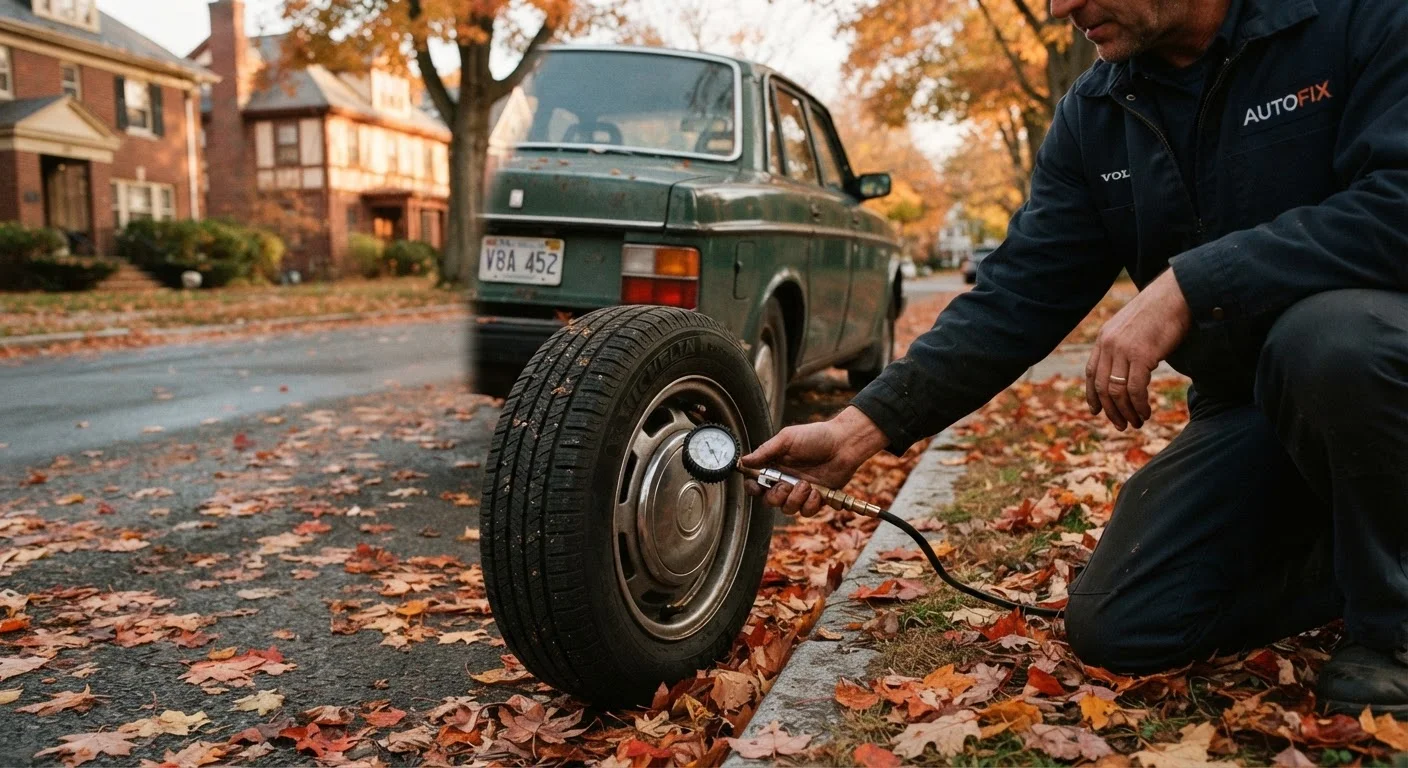
Photo credit: Wiseturt.com | Blogs Curated For You
In this article
From winter tire pressure to summer coolant checks, learn how to adapt your maintenance routine to the season.
Key Takeaways
- Tire pressure drops roughly 1 PSI for every 10°F decrease in outside temperature, requiring regular winter checks.
- Your car's battery is under extra strain in both extreme cold and extreme heat - inspect it before season changes.
- Coolant (antifreeze) concentration matters year-round, not just in winter - check it before summer heat arrives.
- Wiper blades, cabin air filters, and brake performance all deserve attention at seasonal transitions.
- Your owner's manual is the most reliable source for model-specific seasonal maintenance guidance.
Why Seasons Actually Change What Your Car Needs
Your car operates in a physical environment - and that environment swings dramatically between January and July in most of the US. Temperature affects fluid viscosity, tire air pressure, battery chemistry, and rubber pliability. Treating your car as if it has the same needs in a Minnesota February as it does in a Texas August is a reliable way to encounter preventable breakdowns.
Seasonal maintenance isn't about following a rigid checklist handed down by dealerships. It's about understanding why certain systems are vulnerable at certain times of year, so you can check the right things at the right moments. This article walks through those reasons plainly. For a broader look at year-round upkeep, the Annual Vehicle Check-Up guide covers your car's key systems item by item.
Winter: Cold Stress on Batteries, Tires, and Fluids
Cold weather is hard on several systems simultaneously.
Tire Pressure
Air contracts in cold temperatures. As a rule of thumb, tire pressure drops about 1 PSI (pound per square inch) for every 10°F drop in outside temperature. Underinflated tires reduce traction, wear unevenly, and reduce fuel efficiency. Check pressure with a gauge when tires are cold - meaning the car has been parked for at least three hours. The correct pressure is listed on the sticker inside your driver's door jamb, not on the tire sidewall itself. For more on this common source of confusion, see the facts on tire inflation.
Battery
Cold temperatures slow the chemical reaction inside a lead-acid battery, reducing its ability to deliver the cranking power your engine needs to start. A battery that's marginal in September may fail entirely in December. Have the battery load-tested before winter - most auto parts stores do this at no charge. See car battery lifespan and failure signs for what to watch for.
Engine Oil
Thicker oil flows more slowly in cold weather, which means your engine runs with less lubrication in the seconds after a cold start. Some vehicles benefit from a lower-viscosity oil in winter - for example, switching from 10W-30 to 5W-30. Your owner's manual will specify whether your engine has winter-grade recommendations. See what every driver should know about oil changes for context on viscosity grades.
Coolant (Antifreeze)
Coolant does double duty: it prevents the engine from overheating in summer and from freezing in winter. An inexpensive coolant tester (available at auto parts stores) checks whether your coolant's freeze protection is adequate for your region's temperatures. This is a quick check most drivers can do themselves.
Don't Rely on the Dashboard Light
Your car's tire pressure monitoring system (TPMS) is required on vehicles made after 2008 and alerts you when pressure drops significantly below the recommended level - but it's not a substitute for regular manual checks. By the time the light triggers, tires may already be meaningfully underinflated. Use a gauge monthly regardless of whether the warning light is on.
Spring and Fall: Transition Checkpoints Most Drivers Skip
Seasonal transitions are the right time to assess wear caused by the preceding season - and to prepare for the next one.
Inspect your wiper blades at each seasonal transition, not just when they fail.
Rubber deteriorates from both UV exposure in summer and freezing temperatures in winter. Waiting until blades streak during a rainstorm means driving with impaired visibility. Checking them proactively takes two minutes and costs almost nothing.
Check tire pressure with a gauge at least once per month and after significant temperature swings.
Tires lose or gain pressure with temperature changes, and visually inspecting a tire tells you almost nothing useful - a tire can be 10 PSI underinflated and still look normal. Correct pressure protects tread life, handling, and fuel economy.
Have your battery load-tested before winter and before summer if it's more than three years old.
A battery's rated capacity declines with age and is stressed by both cold and heat. A load test (not just a voltage check) reveals whether the battery can actually deliver power under demand - something a simple reading can't tell you.
Check coolant freeze protection and concentration before both winter and summer.
Coolant that's diluted or degraded won't protect against freezing in cold climates or boiling in hot ones. A simple float-type or strip tester available at auto parts stores gives you an immediate reading without draining the system.
Inspect brake performance on a straight, empty road after winter ends.
Road salt, moisture, and extended cold can cause brake components to corrode or stick. A simple controlled stop from low speed can reveal pulling to one side, grinding, or a spongy pedal - all of which warrant a professional inspection.
If you're unsure which tasks you can handle at home versus which need a shop visit, the DIY vs. shop guide breaks this down honestly.
Summer: Heat Works Against Your Car in Different Ways
Heat is less dramatic than a dead battery on a cold morning, but it creates its own category of problems.
1 PSI
Tire pressure lost per 10°F temperature drop
This is a widely cited approximation based on the behavior of air as an ideal gas under temperature change, referenced by tire manufacturers and vehicle safety organizations.
3-5 years
Typical car battery lifespan in moderate climates
Battery life varies by climate, driving habits, and vehicle electrical load; extreme heat or cold can shorten lifespan noticeably below this range.
Coolant System
Summer is when engine overheating becomes a real risk. Before hot weather arrives, check your coolant level and inspect hoses for cracks or soft spots - heat accelerates rubber degradation. If your coolant hasn't been replaced in several years, consult your owner's manual for the recommended interval. More detail on what happens when fluids are neglected is in why ignored car fluids become expensive problems.
Tire Pressure - Again, but in Reverse
Just as cold deflates tires, heat inflates them. Hot pavement and high ambient temperatures can push tire pressure above the recommended range. Overinflated tires have less contact with the road and are more vulnerable to blowout from road hazards. Check pressure in the morning before the car has been driven.
Wiper Blades and Air Filters
Summer UV exposure and heat accelerate wiper blade deterioration. If blades streak or skip, replace them before fall rains arrive. The cabin air filter - which cleans the air coming through your vents - clogs faster in high-pollen, high-dust summer conditions. This is a straightforward DIY replacement for most vehicles. It's one of the items covered in the underrated maintenance items most drivers overlook.
When to See a Mechanic vs. DIY
Many seasonal checks - tire pressure, wiper blades, visual coolant level - are straightforward for most drivers to handle at home. But battery load testing, brake inspection, and coolant system flushes may warrant a qualified mechanic, particularly if you're not comfortable working around engine components. When in doubt, a second set of professional eyes is worth the cost of a basic inspection.
The One Source That Ties It All Together
Every seasonal recommendation in this article should be cross-referenced with your specific vehicle's owner's manual. Manufacturers specify fluid types, replacement intervals, and cold-weather procedures based on how that particular engine and drivetrain are built. Generic advice is a starting point - your manual is the authority. If you've never used the maintenance schedule section, reading your owner's manual: the maintenance schedule section explained shows you exactly how to find and use it.
Drivers with higher-mileage vehicles should also note that seasonal stresses hit older components harder. The guide to keeping a high-mileage car road-worthy covers what to monitor more closely as the odometer climbs.

Author
Auto Editorial Team
Auto Editorial Team is the collective byline for our editorial team and contributor network. Articles published under this byline or an editorial pen name are researched, written, and reviewed according to our editorial standards for clarity, consistency, and independence before publication.
View all articles →