
What New Drivers Need to Know About Keeping a Car Maintained
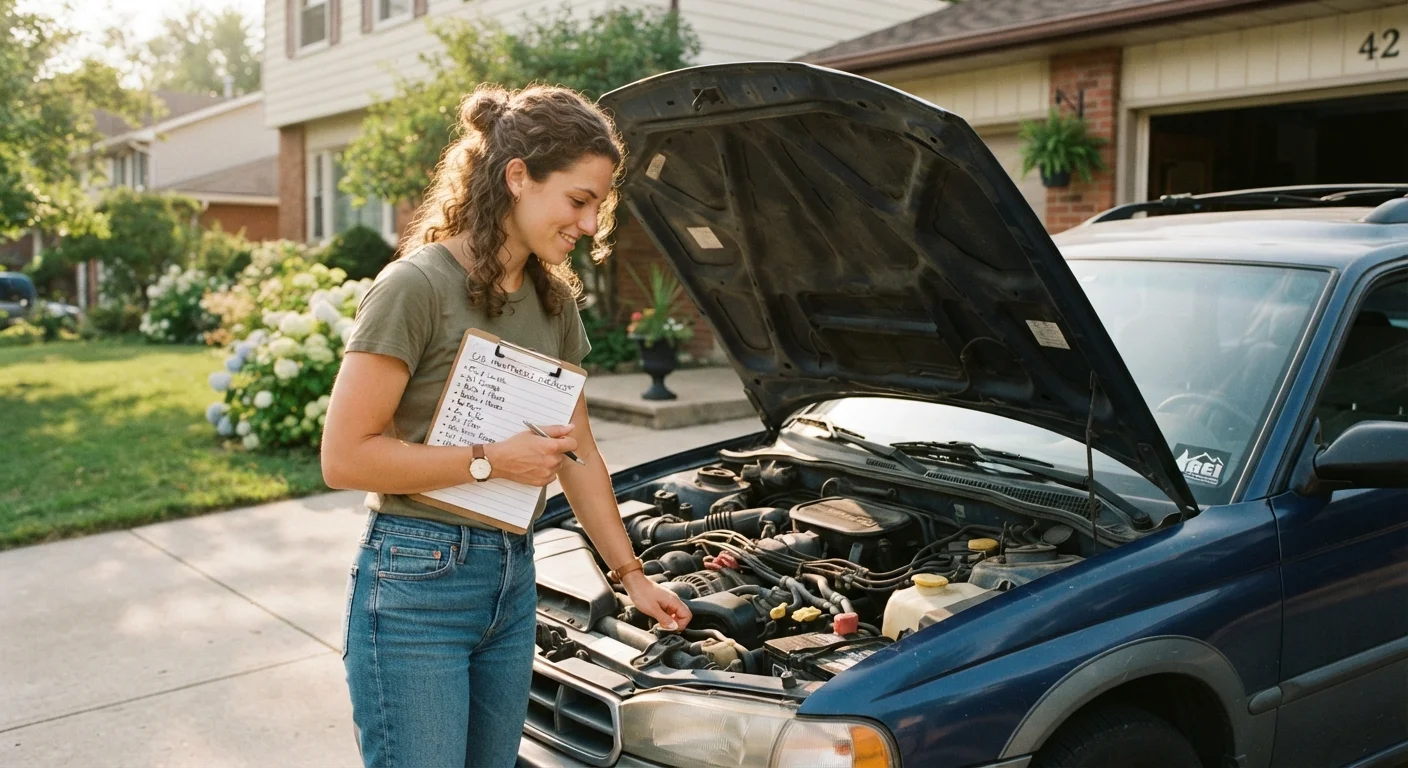
Photo credit: Wiseturt.com | Blogs Curated For You
In this article
A practical starting point for first-time car owners covering the essential services, schedules, and warning signs to learn early.
Key Takeaways
- Your owner's manual contains the authoritative maintenance schedule for your specific vehicle.
- Oil changes, tire pressure, and fluid checks are the most frequent tasks new drivers need to handle.
- Dashboard warning lights are your car's way of flagging a problem - most shouldn't be ignored for long.
- Keeping a simple log of services performed makes it easier to spot gaps and prove upkeep history.
- Many routine checks take only minutes and require no tools or mechanical experience.
Why Maintenance Matters from Day One
Owning a car comes with a straightforward trade-off: keep up with routine upkeep, and the car is more likely to stay reliable and cost you less over time. Let that upkeep slide, and small problems tend to compound into expensive ones.
New drivers are often surprised to learn that maintenance isn't primarily about fixing things - it's about preventing problems in the first place. A vehicle that gets regular attention holds its value better, runs more efficiently, and is less likely to strand you on the side of the road.
If you're just getting started, the good news is that the learning curve isn't steep. You don't need to become a mechanic. You just need to know what to watch for, when to act, and when to hand things off to a professional.
Oil viscosity
A measure of how thick or thin engine oil is. Your owner's manual specifies the right viscosity for your engine - using the wrong type can affect performance and protection.
Tire tread depth
The depth of the grooves on your tire surface. Adequate tread helps channel water away and maintain grip; worn tread increases the risk of skidding, especially on wet roads.
Coolant
A liquid mixture (also called antifreeze) that circulates through the engine to regulate its temperature, preventing both overheating and freezing in cold weather.
Manufacturer maintenance schedule
A timetable set by the automaker - found in your owner's manual - specifying which services to perform and at what mileage or time intervals.
Brake fluid
A hydraulic fluid that transfers force when you press the brake pedal. Low or degraded brake fluid can reduce stopping performance and should be checked by a qualified mechanic.
The Essential Services Every New Driver Should Know
Most routine car care falls into a handful of categories. Here's what they are and why each one matters:
Oil and Filter Changes
Engine oil lubricates moving parts and carries away heat and debris. Over time it breaks down and becomes less effective. An overdue oil change is one of the most common causes of premature engine wear. Check your owner's manual for the correct interval - the old blanket rule of every 3,000 miles doesn't apply to most modern vehicles.
Tire Pressure and Tread
Tires at the wrong pressure wear unevenly, reduce fuel efficiency, and can affect handling. Check pressure monthly using an inexpensive gauge - the correct figure is listed on a sticker inside the driver's door jamb, not on the tire itself. Tread depth matters for wet-road grip; a worn tread increases stopping distance.
Fluid Levels
Your car depends on several fluids beyond engine oil: coolant (which prevents overheating), brake fluid, power steering fluid (in vehicles that have it), and windshield washer fluid. Most can be visually checked under the hood without any tools. Low coolant or brake fluid can indicate a leak and should be investigated by a mechanic.
Air Filter
The engine air filter keeps debris out of the engine. A clogged one reduces performance and fuel economy. It's typically checked every 15,000 to 30,000 miles and is one of the simpler parts to inspect or replace.
Battery
Car batteries typically last three to five years. Slow engine cranking or a car that won't start are common signs of a weakening battery. Our article on car battery lifespan and failure signs covers what to watch for and how replacement is handled safely.
Use Your Door Jamb, Not the Tire
The correct tire pressure for your car is printed on a sticker inside the driver's door jamb - not on the tire sidewall. The number on the tire is the maximum the tire can hold, not the recommended operating pressure for your vehicle. Always inflate to the number on the door sticker.
Warning Signs You Should Never Ignore
Your car communicates problems in a few ways: dashboard lights, unusual sounds, changes in how it drives, and visible leaks. Learning to recognize these early is one of the most practical skills a new driver can develop.
- Dashboard warning lights: Red lights generally indicate something urgent - stop safely and investigate. Yellow or orange lights usually signal something that needs attention soon but isn't an emergency. Our guide on decoding dashboard warning lights explains the most common ones.
- Unusual noises: Grinding when braking, squealing from under the hood, or knocking from the engine are all signs something needs professional attention. Don't wait for noise to get worse before booking a mechanic visit.
- Fluid puddles under the car: A small spot of water from air conditioning condensation is normal. Oil, coolant, or brake fluid pooling under your parked car is not. The color and location can help a mechanic identify the source.
- Pulling or vibrating while driving: If your car drifts to one side or the steering wheel vibrates, it may indicate a tire issue, alignment problem, or brake wear.
Don't Drive on a Red Warning Light
If a red dashboard warning light comes on while driving - particularly for oil pressure, engine temperature, or brakes - pull over safely as soon as possible and turn off the engine. Continuing to drive can cause serious and costly damage. Have the vehicle inspected by a qualified mechanic before driving further.
Building Your Own Maintenance Routine
The most reliable starting point is your owner's manual. It contains a maintenance schedule specific to your vehicle's make, model, and engine - not generic advice. If you're unsure how to read it, our article on making sense of your owner's manual maintenance schedule walks through it clearly.
Beyond the manual, building a simple habit works well for most drivers:
- Do a quick visual walkaround once a week - tires, lights, anything obviously wrong.
- Check tire pressure monthly.
- Check fluid levels every other month or before a long trip.
- Keep a written or digital log of every service performed, with the date and mileage.
If you're wondering whether handling some of this yourself is realistic, our article on what basic DIY maintenance actually involves gives an honest look at what's accessible to non-mechanics and what isn't.
As your car accumulates miles, maintenance priorities will shift somewhat. When you approach or pass 100,000 miles, our guide on keeping a high-mileage car road-worthy outlines what deserves closer attention at that stage.
Starting these habits early - not after something goes wrong - is what separates drivers who rarely deal with breakdowns from those who seem to face one repair after another.
Frequently Asked Questions

Author
Auto Editorial Team
Auto Editorial Team is the collective byline for our editorial team and contributor network. Articles published under this byline or an editorial pen name are researched, written, and reviewed according to our editorial standards for clarity, consistency, and independence before publication.
View all articles →