
Coupe vs. Sedan: More Than Just the Number of Doors
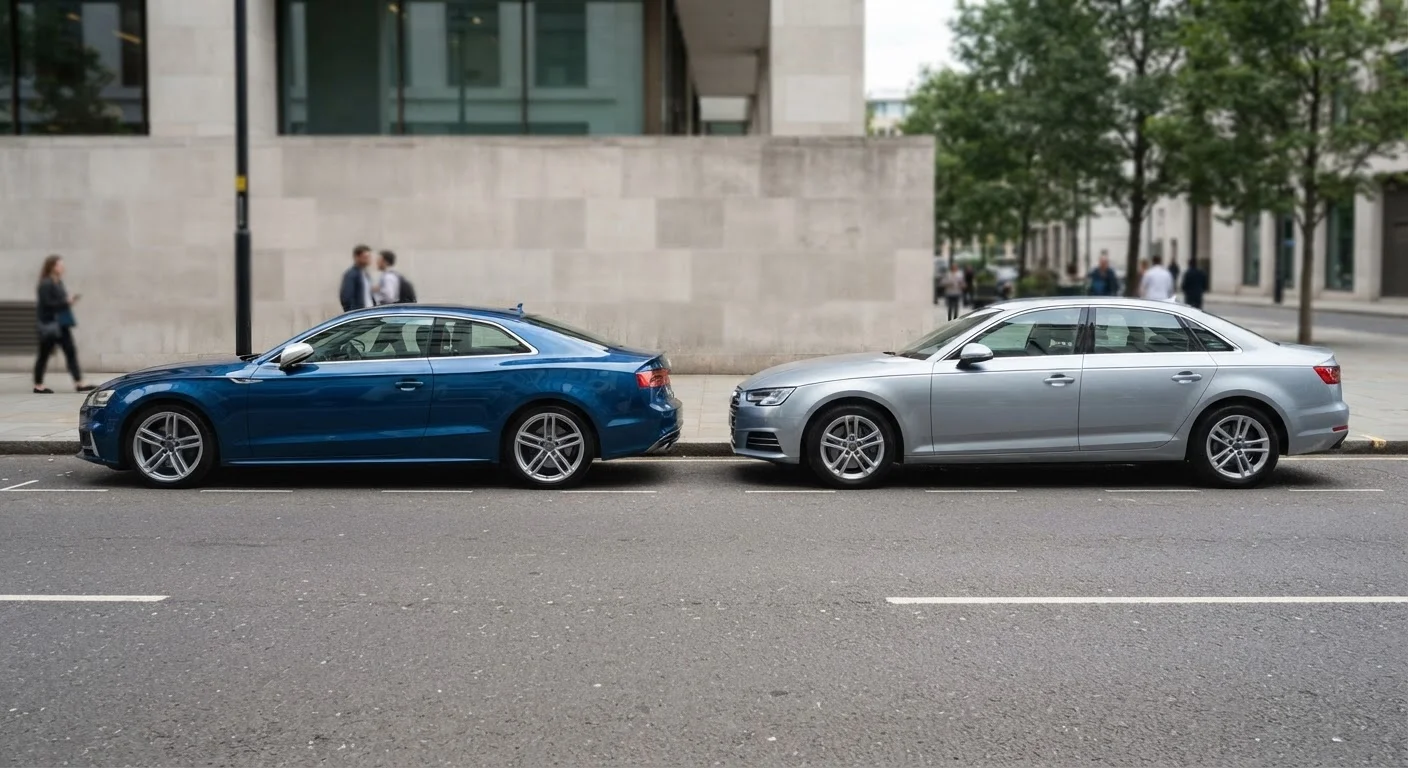
Photo credit: Wiseturt.com | Blogs Curated For You
In this article
The coupe-sedan distinction goes beyond door count. Understand the roofline, chassis, and interior differences that actually define each style.
Key Takeaways
- The coupe-sedan difference is primarily about roofline shape and body structure, not just door count.
- Manufacturers sometimes sell four-door models as coupes if the roofline slopes aggressively enough.
- Sedans typically offer easier rear-seat access and more upright headroom for back-seat passengers.
- Coupes generally carry a sportier image and may command a slight price premium over sedan equivalents.
- Your choice should reflect how many people you regularly carry and how much rear headroom matters.
Why Door Count Doesn't Tell the Whole Story
Ask most people what separates a coupe from a sedan and they'll say two doors versus four. That's a reasonable starting point, but it's no longer the complete answer - and understanding the real distinction can save you from a confusing moment on the dealership lot.
The defining difference is actually the roofline and overall body structure. A traditional coupe has a shorter, lower roofline that tapers toward the rear, giving it that low-slung, athletic silhouette. A sedan's roofline is taller and more upright, creating a clear visual separation between the passenger cabin and the trunk.
This matters because some manufacturers now badge four-door vehicles as coupes - think of models with a dramatically sloping rear roofline - while some two-door vehicles don't carry the coupe label at all. The industry has leaned into roofline aesthetics as the real classifier. When in doubt, look at the shape of the roof from the side, not the door count.
Understanding car body styles broadly helps put the coupe-sedan question into context alongside other common configurations.
Structural and Interior Differences That Actually Affect You
The roofline isn't just a styling choice - it has real consequences for interior space and everyday usability.
| Criterion | Coupe | Sedan |
|---|---|---|
| Roofline | Low, sloping toward rear | Taller, more upright |
| Doors | Typically two (sometimes four) | Four |
| Rear headroom | Limited - can feel cramped | Comfortable for most adults |
| Rear seat access | Requires tilting front seat | Easy, dedicated rear doors |
| Styling character | Sporty, lower profile | Conservative, versatile |
| Typical price vs. equivalent sedan | Often slight premium | Generally lower base price |
| Resale audience | Narrower buyer pool | Broader buyer appeal |
Rear headroom is where sedans consistently have the practical edge. A higher roofline means adult passengers in the back seat can sit without hunching. Coupes, with their sloping rear glass and lower ceiling, can feel cramped for anyone over about 5'10" trying to ride in the back.
Door size also shifts. Because coupes squeeze passenger access into two larger doors, getting in and out of the rear requires more effort - the front seat typically needs to tilt or slide forward. This isn't a dealbreaker for a solo driver, but it's worth considering if you frequently carry passengers.
Trunk access is largely similar between the two styles, though some coupe designs with aggressive rear slopes can reduce usable cargo height even when cubic footage is comparable on paper.
Price, Image, and Who Each Style Suits
When the same automaker offers a coupe and sedan variant of the same model, the coupe often carries a modest price premium. Part of this reflects the sportier image; part of it reflects lower production volume. Neither version is inherently a better value - it depends on what you actually need.
~15%
Share of US new car sales that are coupes
Sedans and SUVs dominate US sales volume; coupes represent a smaller but persistent segment of the market.
3-4 in.
Typical rear headroom difference between coupe and sedan variants
Measurements from comparable model pairs commonly show this gap in rear headroom, making a meaningful difference for taller passengers.
The coupe's sporting image is well-earned in some cases. Lower, stiffer body structures can contribute to a more planted driving feel, and coupes are frequently the body style chosen for performance variants. That said, plenty of sedans offer spirited driving dynamics - the body style alone doesn't determine how a car handles.
For buyers weighing the full decision, it helps to think beyond body style. Factors like depreciation and warranty coverage apply regardless of whether you're cross-shopping coupes or sedans. And if you're still deciding how to structure the purchase, leasing versus buying trade-offs are worth reviewing before committing.
If you're also weighing other body styles entirely - say, an SUV or crossover - how crossovers and SUVs differ is a useful companion read. And once you've narrowed down a model, keep in mind that trim levels can change a vehicle significantly beyond what the body style determines.
When 'Coupe' Doesn't Mean Two Doors
Several automakers now sell four-door vehicles under a coupe designation, using the term to signal a sloping, fastback-style roofline rather than a literal two-door body. If you see a model labeled a 'four-door coupe,' expect styling closer to a coupe but with the access of a sedan. Always check the actual door configuration and rear headroom specs rather than relying on the badge alone.

Author
Auto Editorial Team
Auto Editorial Team is the collective byline for our editorial team and contributor network. Articles published under this byline or an editorial pen name are researched, written, and reviewed according to our editorial standards for clarity, consistency, and independence before publication.
View all articles →