
Energy Star Ratings Explained: What the Numbers on Your Appliances Actually Mean
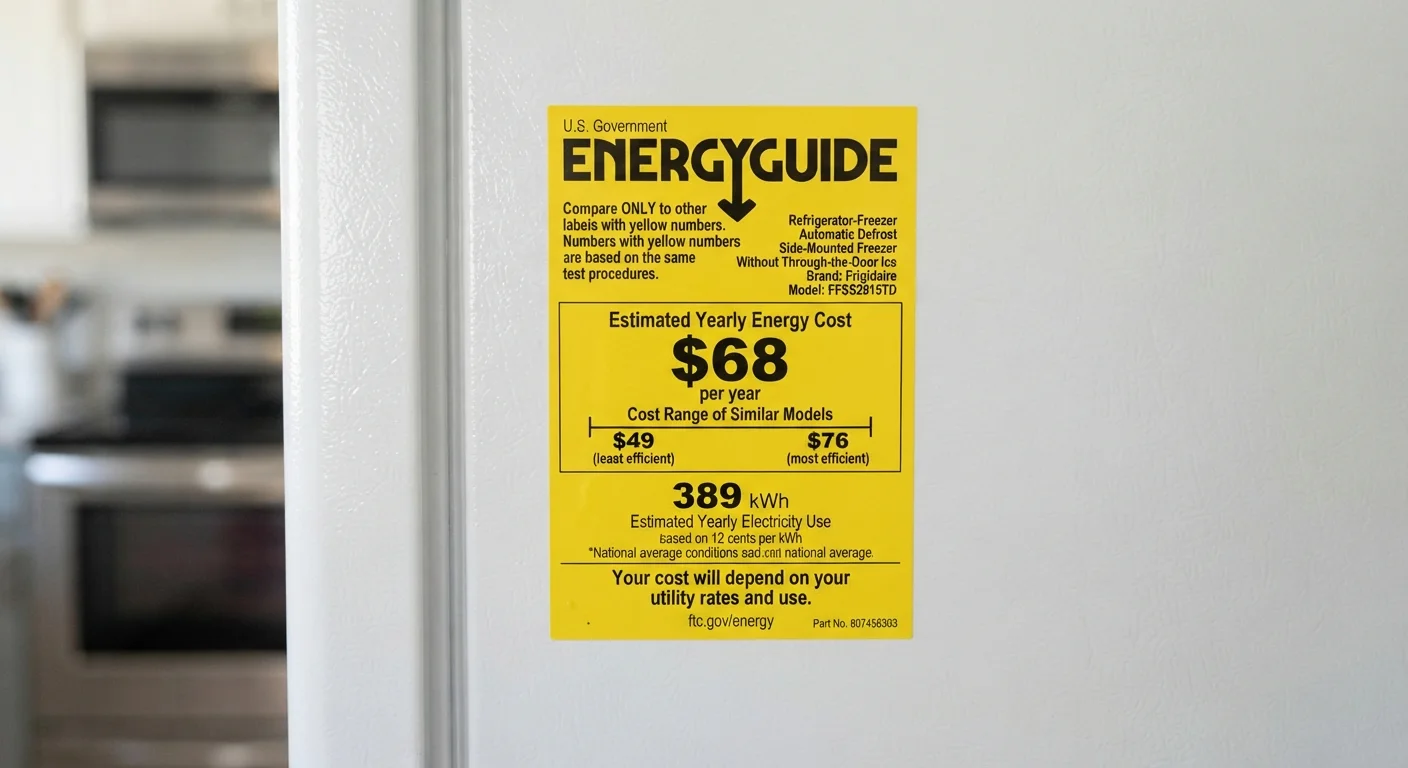
Photo credit: Wiseturt.com | Blogs Curated For You
In this article
Decode Energy Star labels and efficiency ratings so you can understand what you're buying and how it affects your utility bills.
Key Takeaways
- Energy Star certification and the yellow EnergyGuide label are two different things serving different purposes.
- The EnergyGuide label shows estimated annual energy use in kilowatt-hours and an estimated yearly operating cost.
- Energy Star thresholds vary by appliance category and are periodically updated by the EPA.
- A higher Energy Star specification tier (like 'Most Efficient') indicates even greater savings beyond the base certification.
- Estimated costs on labels assume standardized usage patterns and average utility rates, so real-world results will vary.
Two Labels, Two Jobs
Walk through any appliance showroom and you'll encounter two distinct labels: the blue Energy Star logo and the large yellow EnergyGuide sticker. Most shoppers assume they're the same thing - they're not, and understanding the difference matters.
The Energy Star logo is a pass/fail certification issued by the EPA. Either a product meets the efficiency threshold for its category or it doesn't. The EnergyGuide label, required by the Federal Trade Commission (FTC) on most major appliances, is an information tool. It shows estimated annual energy use in kilowatt-hours (kWh) and an estimated annual operating cost, plus a comparison bar showing how this model stacks up against similar products. Think of Energy Star as a stamp of approval and EnergyGuide as a report card with numbers you can compare.
Just as automakers are required to post fuel economy figures on new vehicles - a concept explored in our piece on decoding the window sticker - appliance labels are standardized so consumers can compare models on equal footing.
How to Read the EnergyGuide Numbers
The EnergyGuide label follows a standard layout. Here's what each element means:
- Estimated Annual Energy Use (kWh/year): This is the core figure. A lower number means the appliance consumes less electricity under standardized test conditions.
- Estimated Annual Operating Cost: Calculated by multiplying kWh consumption by a national average electricity rate set by the FTC. Because actual utility rates vary widely by region and household, treat this as a directional estimate, not a guarantee.
- Comparison Range Bar: Shows where this model falls relative to others in the same category - the further left on the bar, the more efficient the model.
The standardized usage assumptions built into these estimates - how many loads per week for a washer, how many door openings per day for a refrigerator - won't match everyone's habits. Your actual costs may be higher or lower depending on how you use the appliance and what your utility charges per kWh.
~9%
Minimum efficiency improvement for Energy Star refrigerators over federal standard
According to EPA Energy Star program specifications, certified refrigerators must use at least 9% less energy than the applicable federal minimum efficiency standard.
kWh/yr
Unit used on EnergyGuide labels for annual energy use
The FTC requires EnergyGuide labels to display estimated annual energy consumption in kilowatt-hours, enabling direct comparison across models in the same appliance category.
70+
Product categories covered by Energy Star program
The EPA's Energy Star program spans more than 70 product categories, from major home appliances and HVAC systems to commercial equipment and building products.
Understanding Energy Star Tiers and Categories
Energy Star isn't a single standard applied uniformly across all products. The EPA sets category-specific thresholds, which means the efficiency percentage required to earn the label for a refrigerator is completely separate from the threshold for a dishwasher or a heat pump water heater.
Within the standard certification, the EPA also designates a subset of products as Energy Star Most Efficient - a higher tier for products that significantly exceed the base threshold. This designation is updated annually, and not all product categories have it.
Specification standards are revised periodically. A refrigerator that was certified five years ago may no longer qualify under the current specification. This doesn't mean it suddenly became less efficient - it means the bar has moved. Checking the current specification year on the Energy Star website can tell you which standard a product was certified under.
Check the Specification Year When Comparing Models
Energy Star thresholds are updated periodically, so two certified appliances from different model years may have been certified under different standards. When comparing efficiency across model years, check the EPA's Energy Star website to confirm which specification version each product was certified under. A product certified under an older, less stringent spec may fall below the current threshold even though it still carries the logo.
What Efficiency Ratings Don't Tell You
Energy labels capture efficiency under controlled test conditions, but they leave out context that matters in real homes. A large, Energy Star-certified refrigerator may use more total energy than a smaller non-certified model simply because of its size - efficiency ratings typically measure energy per unit of capacity or output, not absolute consumption. Our article on appliance load capacity explores how size and efficiency interact in practice.
Labels also don't account for installation environment. A refrigerator placed next to a heat source works harder and uses more energy than its label suggests. Similarly, a washing machine's efficiency depends on water temperature settings and load size - habits the label can't predict.
For a broader look at how appliance specs can mislead, see our guide on reading a product spec sheet. And it's worth knowing that some common assumptions about appliance operation - like leaving certain appliances in standby - don't hold up, as our piece on appliance myths explains.
“The EnergyGuide label is designed to give consumers a common basis for comparison - it's not a billing forecast. Actual energy use depends on how and where the appliance is used, which can differ significantly from standardized test conditions.”
— Federal Trade Commission, U.S. consumer protection and labeling regulatory agency
Using Labels Confidently in Your Decision-Making
Energy labels are most useful when you treat them as comparison tools rather than precise forecasts. When evaluating appliances in the same category and size class, the EnergyGuide kWh figure gives you a consistent, apples-to-apples comparison. A model using 400 kWh/year versus one using 550 kWh/year represents a real difference in consumption - regardless of what your actual utility rate is.
If an appliance carries the Energy Star logo, it has cleared a third-party verified efficiency threshold - useful confirmation that the product's efficiency claims have been reviewed against a published standard. The Most Efficient designation adds a further filter if efficiency is a top priority.
Before completing any appliance purchase, it's also worth reviewing what the warranty covers - since efficiency features in more complex systems like heat pump dryers or inverter compressor refrigerators can influence long-term maintenance considerations.
This article provides general educational information about appliance labeling programs and is not a substitute for reviewing official program guidelines from the EPA or FTC. Estimated costs and energy use figures shown on labels are based on standardized assumptions and will vary based on individual usage patterns and local utility rates.
Frequently Asked Questions

Author
Home & Appliances Editorial Team
Home & Appliances Editorial Team is the collective byline for our editorial team and contributor network. Articles published under this byline or an editorial pen name are researched, written, and reviewed according to our editorial standards for clarity, consistency, and independence before publication.
View all articles →