
Signs Your Roof Needs Attention Before a Leak Appears
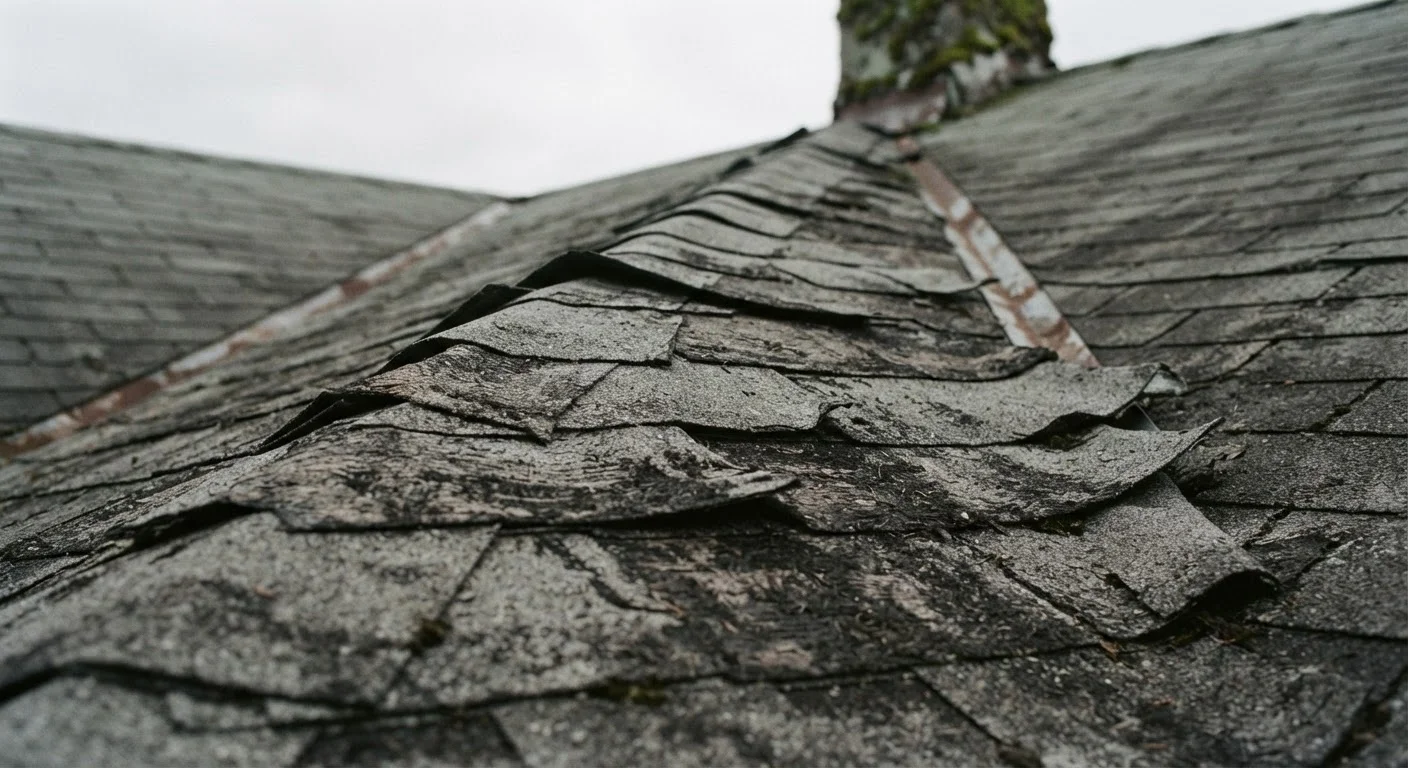
Photo credit: Wiseturt.com | Blogs Curated For You
In this article
Curling shingles, granule loss, and dark stains aren't just cosmetic. Learn what your roof is telling you before water gets inside.
What Your Roof Is Trying to Tell You
Most roofs don't fail suddenly - they send signals for months or even years before a leak develops inside the home. The challenge is knowing which signs matter and which are purely cosmetic. Catching problems early is almost always less expensive than addressing water damage after it reaches ceilings, insulation, or framing.
This reference covers the most common visible warning signs, what each one typically indicates, and when to call a licensed roofing contractor. It's organized so you can check one warning sign at a time - no roofing experience required.
Staying ahead of roof problems connects directly to broader home care. As explored in The Hidden Costs of Skipping Routine Home Maintenance, small neglected issues routinely escalate into far more expensive repairs.
| Typical asphalt shingle lifespan | 20-30 years (Varies by product type, climate, and installation quality) |
| Most common leak entry points | Flashing, valleys, and pipe boots (General roofing industry consensus) |
| Recommended inspection frequency | At least once per year, plus after major storms (Common guidance from roofing trade associations) |
| Attic inspection recommended | Yes - check for daylight, stains, and moisture |
| DIY roof walking | Not recommended without proper safety equipment (Falls from roofs are a leading cause of home-related injury) |
Common Warning Signs and What They Mean
Use the glossary below to understand the terminology used by roofing professionals, then review each warning sign category.
Flashing
Thin metal strips installed at roof joints and transitions - around chimneys, vents, and valleys - to prevent water from penetrating where two surfaces meet. Damaged flashing is a leading cause of interior leaks.
Granules
Mineral particles embedded in the surface of asphalt shingles that protect the underlying mat from UV radiation and weathering. Significant granule loss shortens shingle lifespan.
Roof Deck
The structural wood panel layer (typically plywood or OSB) fastened to the rafters that forms the base to which shingles are attached. A damaged or rotted deck requires structural repair.
Ice Dam
A ridge of ice that forms at the edge of a roof when heat escaping from the attic melts snow, which then refreezes at the cold eave. Ice dams can force water under shingles and into the home.
Cupping
A form of shingle distortion where the edges curl upward, creating a concave shape. It typically results from moisture imbalance or age-related drying of the asphalt mat.
Fascia
The horizontal board running along the lower edge of a roofline, behind the gutter. Damaged fascia can compromise gutter attachment and allow water to reach the soffit and wall sheathing.
Curling or Buckling Shingles
Shingles curl in two distinct ways: cupping (edges turn upward) and clawing (edges lie flat while the middle lifts). Both indicate the shingle is drying out, shrinking, or has reached the end of its useful lifespan. Widespread curling across a roof plane generally suggests replacement is approaching rather than isolated repair.
Granule Loss
Asphalt shingles are coated with small mineral granules that protect the underlying mat from UV degradation. When granules shed heavily - visible as grit accumulating in gutters or at downspout openings - shingles lose their protective layer and deteriorate faster. Scattered loss in a new roof may be normal; heavy or accelerating loss on an aging roof is a meaningful warning. Well-maintained gutters make granule accumulation far easier to spot: see Why Gutters Matter More Than Most Homeowners Realize.
Dark Stains or Algae Growth
Black or dark green streaking is typically caused by Gloeocapsa magma, an algae species common in humid climates. While algae staining is often cosmetic, lichen (a more complex organism with root-like structures) can physically degrade shingles over time. Moss holds moisture against the roof surface, which accelerates deterioration - particularly in shaded areas.
Damaged or Missing Flashing
Flashing is the metal (typically galvanized steel or aluminum) installed at roof transitions - around chimneys, skylights, vents, and valleys. Cracked caulk, rust, or gaps in flashing are among the most common sources of leaks. Unlike shingle damage, flashing problems are often repairable without full roof replacement.
Sagging Roof Deck
A roof deck that visibly sags or feels spongy underfoot (when safely accessed) indicates moisture damage to the underlying structure. This is a more serious condition that warrants immediate professional evaluation - it may involve decking, rafters, or both.
40%
Building problems attributed to water intrusion
Water-related damage is consistently cited as one of the most frequent sources of structural building problems in residential construction research.
15-20 yrs
Typical age when asphalt roofs show significant wear
Roofing professionals generally recommend more frequent inspection once a roof crosses this age threshold, regardless of visible condition.
Attic Warning Signs
Many roof problems appear inside the attic before they're visible from the street. During daylight, look for light penetrating through the decking, damp insulation, water stains on rafters, or frost in cold climates - frost on the underside of sheathing can indicate inadequate ventilation, which contributes to ice dams and premature shingle aging. Proper attic ventilation is covered in depth in Lesser-Known Maintenance Tasks That Protect Long-Term Home Value.
When to Call a Professional
Walking on a roof without proper equipment and experience carries a real risk of injury and can cause additional shingle damage. A licensed roofing contractor can safely perform a detailed inspection, document existing conditions, and provide a written assessment.
As a general guideline, professional inspections are typically recommended after major storms, when a roof is over 15-20 years old, or any time multiple warning signs appear together. Many contractors offer inspections as a standalone service separate from any repair work.
Remember that common maintenance misconceptions sometimes lead homeowners to delay action on roofing issues - understanding what's genuinely urgent versus what can be monitored helps you make informed decisions without unnecessary panic or false reassurance.
This article is for general informational purposes only and does not constitute professional roofing, structural, or construction advice. Consult a licensed contractor for assessment of your specific roof. Local building codes and permit requirements vary - verify with your local authority before undertaking any roofing work.

Author
Home & Appliances Editorial Team
Home & Appliances Editorial Team is the collective byline for our editorial team and contributor network. Articles published under this byline or an editorial pen name are researched, written, and reviewed according to our editorial standards for clarity, consistency, and independence before publication.
View all articles →