
Why Gutters Matter More Than Most Homeowners Realize
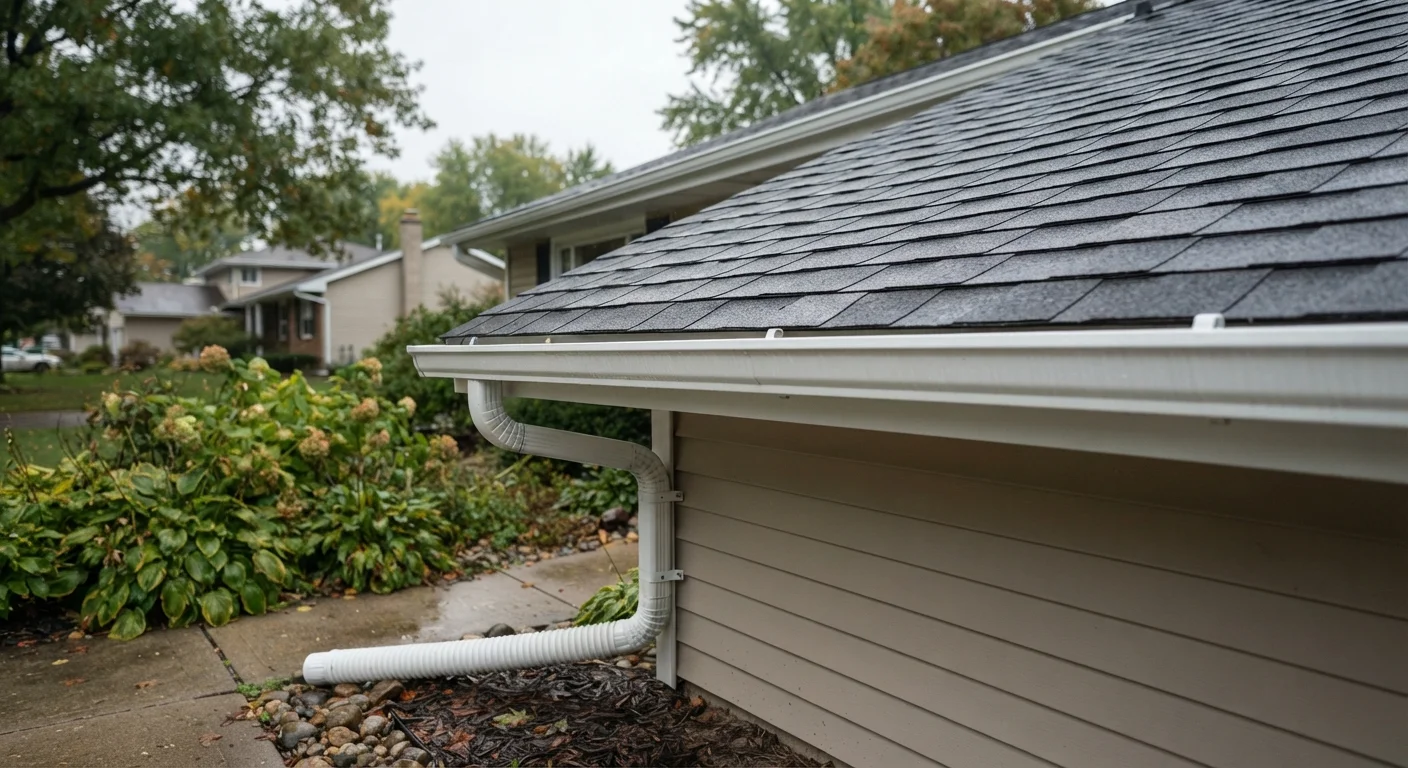
Photo credit: Wiseturt.com | Blogs Curated For You
In this article
Clogged or damaged gutters can quietly cause serious structural damage. Here's what they actually do and when to address them.
Key Takeaways
- Gutters protect your foundation, siding, and landscaping by redirecting roof runoff away from the structure.
- Clogged or damaged gutters can cause basement flooding, wood rot, mold, and foundation cracks over time.
- Most professionals recommend cleaning gutters at least twice a year - typically in spring and late fall.
- Downspout extensions and proper grading work together with gutters to keep water away from your home.
- Early signs of gutter failure include overflowing water, sagging sections, and paint peeling near the roofline.
What Gutters Actually Do
A typical roof sheds enormous amounts of water during even a moderate rainstorm. One inch of rainfall on a 1,500-square-foot roof can generate close to 900 gallons of runoff. Without gutters, that water cascades directly off the roof edge and lands right next to your foundation - repeatedly, every storm, year after year.
Gutters intercept that flow and channel it through downspouts to discharge points away from the structure. Done correctly, this prevents soil erosion along the home's perimeter, protects window and door frames from splash-back, and keeps the basement or crawl space dry. The system is simple but consequential. When it works, you don't notice it. When it fails, the damage tends to be slow, hidden, and expensive.
For a broader look at how overlooked maintenance compounds into serious costs, see The Hidden Costs of Skipping Routine Home Maintenance.
~900 gal
Runoff from 1 inch of rain on a 1,500 sq ft roof
Based on standard rainfall-to-runoff calculations used in residential stormwater planning.
2x/year
Minimum recommended gutter cleaning frequency
Common guidance from home inspection and maintenance professionals for average suburban homes.
$4,000+
Typical cost range for foundation repair
Foundation repair costs vary widely by region, severity, and method; minor cracks cost less, major structural issues significantly more.
The Damage Neglected Gutters Can Cause
Most gutter-related damage doesn't announce itself dramatically. It accumulates quietly in places that are hard to inspect: behind walls, under siding, in crawl spaces, and along the base of the foundation.
Foundation stress is among the most serious risks. Soil that cycles repeatedly between saturation and drying expands and contracts, putting lateral pressure on foundation walls. Over years, this can cause cracks, bowing, or settling - repairs that can run into the thousands. Keeping Moisture Out: Basement and Crawl Space Fundamentals explains how moisture intrusion below grade compounds this problem.
Wood rot is another common consequence. Fascia boards - the wooden trim that gutters mount to - absorb water from overflowing or leaking gutters. Once rot sets in, the structural integrity of the gutter mounting is compromised and the rot can spread to the rafter tails behind it.
Roof-edge damage can also develop when debris-clogged gutters hold standing water that backs up under shingles. This links directly to broader roof health - see Signs Your Roof Needs Attention Before a Leak Appears for related warning signs to monitor.
Check Downspout Extensions After Every Winter
Downspout extensions and splash blocks can shift or become buried over a season. Each spring, verify that extensions are still directing water at least 4-6 feet from the foundation and that the ground slopes away from the house at the discharge point. This simple check takes minutes and prevents significant moisture problems.
Signs Your Gutters Need Attention
You don't need to climb a ladder to spot early warning signs. Many gutter problems are visible from the ground or apparent during a rainstorm.
- Water spilling over the sides during rain, rather than flowing through downspouts, suggests a blockage or a section pitched incorrectly.
- Sagging or pulling away from the fascia indicates that the mounting hardware has loosened - often from the weight of debris and water - or that the fascia itself is rotting.
- Peeling paint or staining on siding below the gutter line can mean water is regularly overflowing at that point.
- Pooling water or erosion at the base of downspouts means the discharge point isn't moving water far enough from the foundation.
- Granules from shingles accumulating in gutters is normal over time, but heavy deposits may indicate accelerating shingle wear.
If you notice several of these signs together, it's worth having a professional assess the system. Why New Homeowners Underestimate Maintenance covers how missing these early signals leads to larger surprises later.
Gutters and Ice Dams Are Related
In cold climates, clogged or improperly pitched gutters can contribute to ice dam formation at the roof edge. When melting snow can't drain freely, it refreezes and forces water back under shingles. Proper attic insulation and ventilation are the primary defenses against ice dams, but clean, functioning gutters are part of that overall system.
Practical Maintenance and When to Call a Professional
Regular cleaning is the cornerstone of gutter maintenance. Twice-yearly cleaning - late spring and late fall - covers most homes adequately. Homes with significant tree canopy overhead may need more frequent attention.
Cleaning involves removing debris from gutters by hand or with a scoop, then flushing with water to verify flow. Check that downspouts drain freely and that extensions direct water well away from the foundation. Inspect seams and end caps for leaks, and check that all gutter sections are securely fastened.
Any work that involves ladder use carries real fall risk. If your home is multi-story, has a steep roof pitch, or you're not comfortable working at height, hiring a professional is the safer and often more practical choice. Licensed gutter contractors can also spot structural issues - like fascia rot or improper pitch - that a visual check from the ground won't reveal.
Gutter work also connects to the broader exterior maintenance picture. For context on exterior cleaning that can affect gutters and siding, see Pressure Washing Your Home's Exterior: What Helps and What Damages. And for a fuller picture of the less obvious tasks that protect home value over time, Lesser-Known Maintenance Tasks That Protect Long-Term Home Value is worth reviewing.
“Gutters are among the most cost-effective components of a home when maintained, and among the most destructive when ignored. The problem is that the consequences of neglect are rarely immediate - they compound silently over seasons.”
— Home Inspection Industry Guidance, General principle cited across residential home inspection standards
Frequently Asked Questions

Author
Home & Appliances Editorial Team
Home & Appliances Editorial Team is the collective byline for our editorial team and contributor network. Articles published under this byline or an editorial pen name are researched, written, and reviewed according to our editorial standards for clarity, consistency, and independence before publication.
View all articles →