
Home Maintenance Myths That Cost Homeowners Real Money
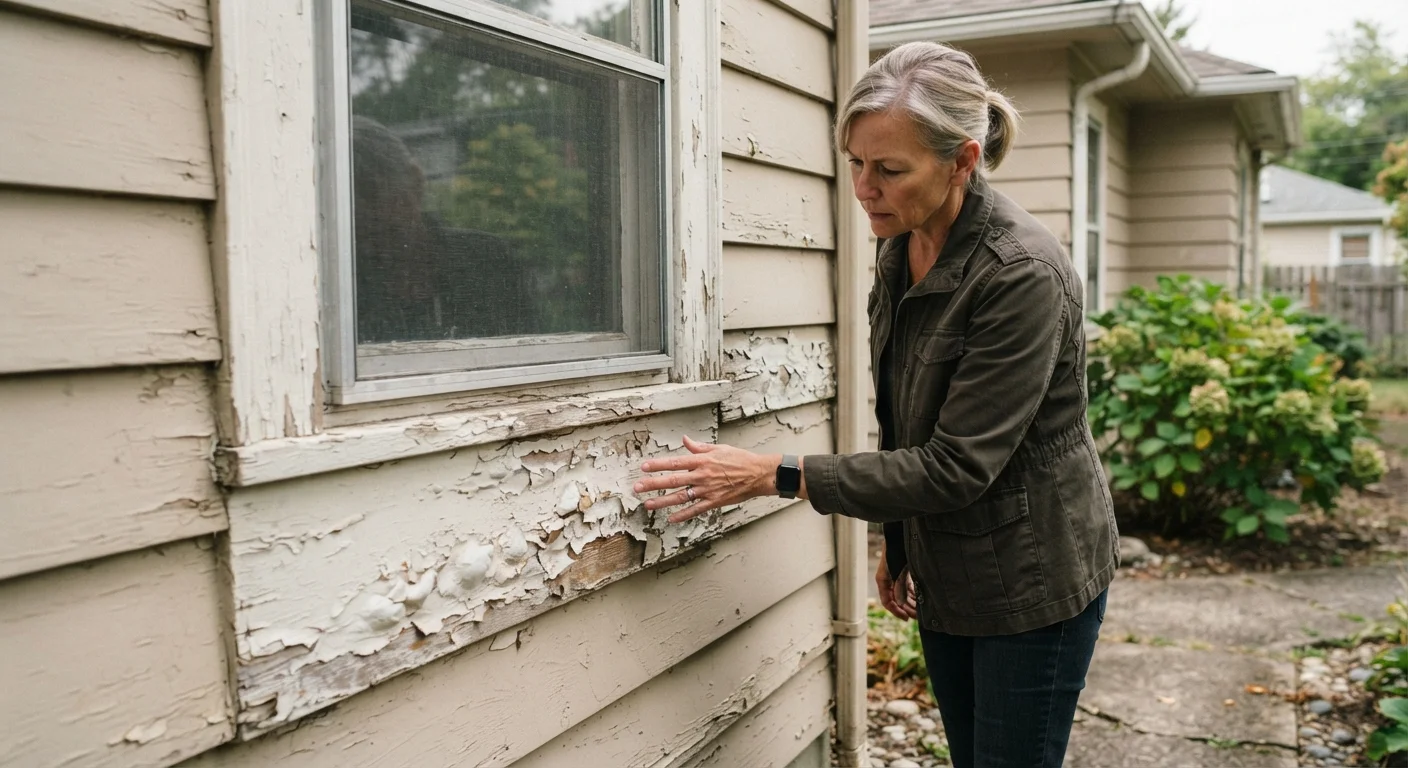
Photo credit: Wiseturt.com | Blogs Curated For You
In this article
From painting over rust to pouring grease down the drain — common maintenance misconceptions and what the evidence actually says.
Key Takeaways
- Painting over rust without treating the metal first accelerates corrosion rather than stopping it.
- Pouring grease down the drain causes pipe buildup over time, even with hot water running.
- Caulking and weatherstripping wear out and need periodic replacement, not just one-time installation.
- A dripping faucet can waste thousands of gallons annually and stresses plumbing joints.
Why Maintenance Myths Are So Costly
Most home maintenance myths survive because they feel logical on the surface. Painting looks like protection. Hot water seems like it dissolves grease. These intuitions aren't unreasonable - they're just incomplete. The gap between what seems true and what actually works is exactly where repair bills are born.
Acting on flawed assumptions delays real fixes, accelerates hidden damage, and can void manufacturer warranties or homeowner's insurance coverage. This article walks through the most common misconceptions, explains what the evidence actually supports, and points you toward habits that protect your home year-round. For related blind spots around your insurance coverage, see insurance myths that lead to wrong coverage.
Myth
Painting over a rusty surface protects the metal and stops corrosion.
Fact
Paint applied over active rust traps moisture beneath the surface, accelerating corrosion rather than halting it.
Rust is an ongoing chemical reaction. Covering it with paint seals in moisture and creates an oxygen-poor environment that actually favors certain corrosion processes. The paint film will eventually bubble and flake, leaving the metal in worse condition than before. The correct approach is to remove all rust mechanically or chemically, treat the bare metal with a rust-inhibiting primer, and only then apply a topcoat. This process takes more time but results in adhesion that actually lasts.
Myth
Running hot water while pouring grease down the drain safely clears it away.
Fact
Hot water temporarily liquefies grease, but as it cools in the pipe it solidifies and accumulates, gradually narrowing the drain.
Fats, oils, and grease - often called FOG by plumbers - are among the leading causes of residential drain clogs. They don't dissolve in water; they emulsify briefly, then re-solidify further down the pipe where temperatures drop. Over months, layers build up, trap food particles, and create increasingly stubborn blockages. The correct disposal method is to let grease cool, pour it into a sealed container, and discard it with solid waste. For a broader look at protecting your plumbing system, see plumbing basics every homeowner should understand.
Myth
Caulk and weatherstripping are one-time installations that last the life of the home.
Fact
Both materials degrade with temperature cycling, UV exposure, and humidity and typically need replacement every five to ten years.
Caulk around windows, tubs, and exterior penetrations dries out, cracks, and separates from surfaces over time. Weatherstripping compresses and loses its sealing ability. When either fails, conditioned air escapes and outdoor air - along with moisture - enters. The U.S. Department of Energy notes that sealing air leaks is one of the highest-return weatherization steps a homeowner can take. Inspecting these seals annually - particularly before heating and cooling seasons - and replacing them when gaps or cracking appear is straightforward, low-cost maintenance.
Myth
A slow drip from a faucet is a minor annoyance, not a real maintenance issue.
Fact
A single dripping faucet can waste more than 3,000 gallons of water per year and stresses the faucet's internal components, hastening full failure.
The U.S. Environmental Protection Agency's WaterSense program has documented that household leaks collectively waste nearly 1 trillion gallons of water annually in the United States. A faucet dripping at one drop per second - which many homeowners tolerate for months - accounts for roughly 3,000 gallons per year. Beyond the water and utility cost, a persistent drip usually indicates a worn washer, O-ring, or cartridge. Left unaddressed, the valve seat it contacts continues to erode, eventually requiring a more extensive repair or full faucet replacement.
Myth
You only need to change your HVAC filter when the system seems to be struggling.
Fact
HVAC filters should be replaced on a schedule - typically every one to three months - regardless of whether the system shows obvious symptoms.
A clogged filter restricts airflow, forcing the blower motor to work harder. This reduces efficiency, increases energy consumption, and shortens the lifespan of the system's components - all before any performance symptom becomes obvious to the homeowner. Dust and particulate also bypass a saturated filter, accumulating on coils and in ductwork. Replacement frequency depends on filter type, household occupancy, and whether pets are present, but waiting for visible struggle is waiting too long. Checking the filter monthly and replacing it on a consistent schedule is one of the simplest high-value maintenance habits available.
The Real Cost of Doing Nothing - or Doing It Wrong
Two categories of mistakes account for most preventable repair spending: tasks that are skipped entirely, and tasks that are performed incorrectly but feel complete. Both carry compounding costs.
Skipped maintenance - clogged gutters, unserviced HVAC filters, neglected caulk lines - tends to cause water intrusion, reduced efficiency, or structural deterioration. These are slow failures that become expensive suddenly. Our article on the hidden costs of skipping routine home maintenance explores this pattern in depth.
Incorrectly performed tasks often feel reassuring in the moment: you painted it, you flushed it, you tightened it. But surface-level fixes that don't address the underlying cause tend to buy weeks, not years. Developing a seasonal checklist - and understanding the why behind each task - is the most effective defense. For tasks that tend to fall off most homeowners' radar entirely, lesser-known maintenance tasks that protect long-term home value is a practical companion read.
~3,000 gal
Water wasted per year by a single dripping faucet
According to the U.S. Environmental Protection Agency's WaterSense program, a faucet dripping once per second loses approximately 3,000 gallons annually.
1 trillion gal
Annual US water loss from household leaks
The EPA's WaterSense program estimates that household leaks collectively waste nearly 1 trillion gallons of water each year across the United States.
DIY Limits: Know When to Call a Professional
Many routine maintenance tasks are well within a homeowner's ability - replacing caulk, changing filters, disposing of grease properly. However, tasks involving electrical systems, gas lines, structural components, or roofing at height carry meaningful safety risks and often require licensed contractors or permits under local building codes. Attempting regulated work without proper credentials can create liability, void insurance claims, and endanger occupants. When in doubt about the scope or safety of a repair, consult a licensed professional before proceeding.
Building Habits That Actually Work
Accurate maintenance knowledge is only useful when it becomes routine. A few principles help: inspect before assuming, address minor issues before seasons change, and know when a job exceeds DIY scope. Plumbing is a clear example - a homeowner who understands basic pipe behavior can catch early warning signs well before a professional is urgently needed. See plumbing basics every homeowner should understand for a plain-language foundation.
Exterior maintenance follows similar logic. Gutters, roofing, and siding each give visible signals before they fail - but only if you know what you're looking at. Why gutters matter more than most homeowners realize and signs your roof needs attention before a leak appears explain those signals clearly. The goal isn't to turn every homeowner into a contractor - it's to reduce the lag between a problem starting and a homeowner noticing.
Deferred Maintenance Can Affect Insurance Claims
Homeowner's insurance policies generally cover sudden, accidental damage - not damage resulting from neglect or gradual deterioration. If an insurer determines that a claim stems from deferred maintenance (such as a roof that showed years of visible wear before leaking), coverage may be denied or reduced. Keeping records of routine maintenance, inspections, and repairs strengthens your position if a claim ever arises. Review your policy's maintenance obligations and consult a licensed insurance agent if you have questions about what your coverage requires.

Author
Home & Appliances Editorial Team
Home & Appliances Editorial Team is the collective byline for our editorial team and contributor network. Articles published under this byline or an editorial pen name are researched, written, and reviewed according to our editorial standards for clarity, consistency, and independence before publication.
View all articles →