
The Hidden Costs of Skipping Routine Home Maintenance
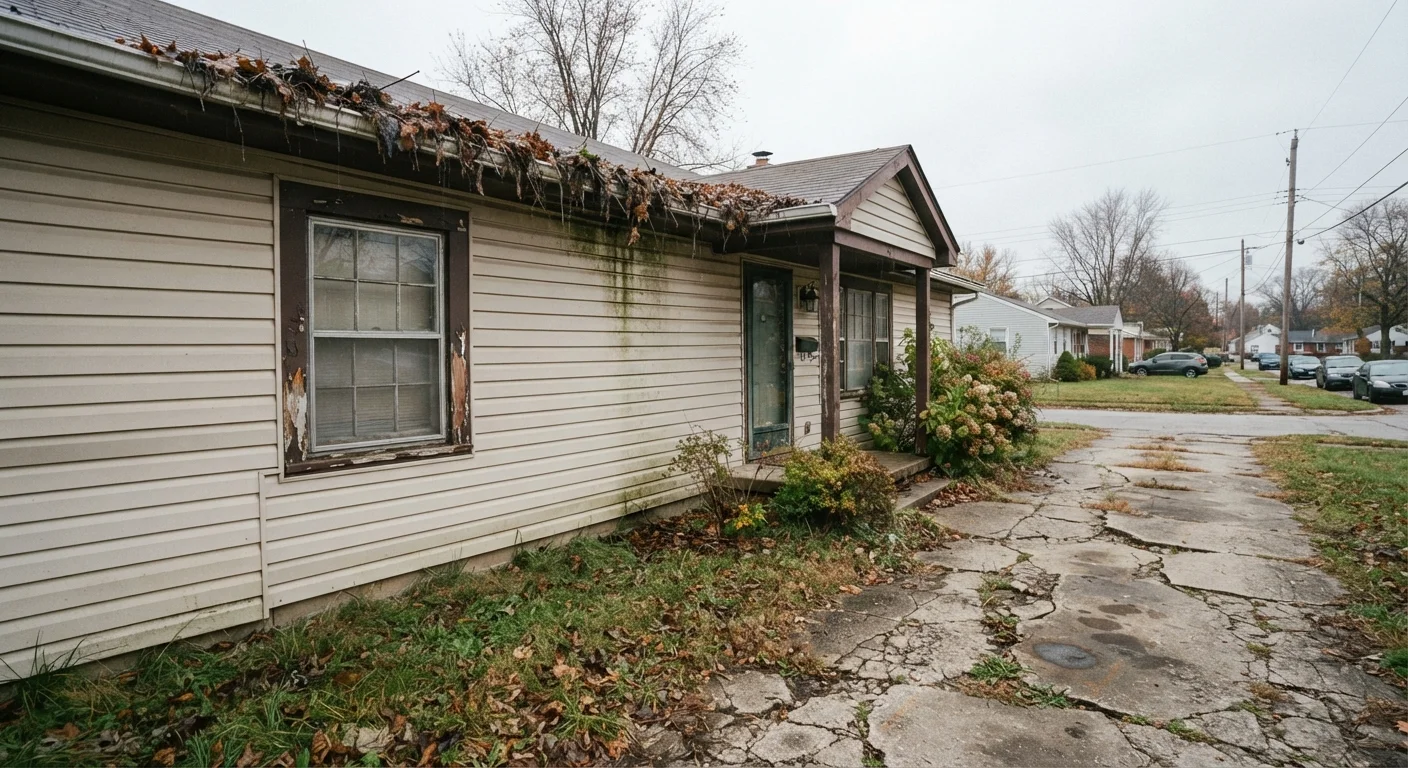
Photo credit: Wiseturt.com | Blogs Curated For You
In this article
Deferred maintenance rarely saves money. Understand how small neglected tasks escalate into costly repairs over time.
Key Takeaways
- Minor maintenance tasks ignored today frequently become major structural or system failures later.
- Water damage is one of the most expensive consequences of skipped routine upkeep.
- Most routine home maintenance costs a fraction of what emergency repairs run.
- Deferred maintenance can reduce your home's resale value and complicate future inspections.
- A simple seasonal checklist significantly reduces the risk of cascading repair costs.
Why "I'll Get to It Later" Rarely Works Out
Most homeowners don't skip maintenance out of carelessness - they skip it because the immediate cost seems unnecessary when nothing appears to be wrong. A slow-draining gutter doesn't feel urgent. A small gap around a window frame looks like a cosmetic issue. A furnace filter that's overdue for a swap doesn't announce itself. These gaps feel minor, but each one opens a path for larger damage.
The fundamental problem with deferred maintenance is compounding. Water gets into a gap around a window frame and sits in the wall cavity. Over months, it damages insulation, then framing, then drywall. What would have cost roughly $10 in caulk becomes a multi-thousand-dollar remediation. This pattern - small opening, accumulated moisture or damage, escalating repair - plays out across nearly every major home system.
Understanding how this escalation works is the first step to avoiding it. The reasons new homeowners underestimate upkeep often come down to not seeing these connections clearly until after the fact.
~1%
Annual maintenance cost as share of home value
A commonly cited rule of thumb among housing professionals suggests budgeting roughly 1% of a home's value per year for routine maintenance - though actual costs vary by age, climate, and condition.
$1,500-$9,000
Typical mold remediation cost range
General industry estimates for professional mold remediation vary widely based on affected area - a cost that routine moisture management often prevents.
1 trillion
Gallons of water wasted by US household leaks annually
According to the U.S. Environmental Protection Agency, household leaks collectively waste nearly 1 trillion gallons of water per year, much of which causes concurrent structural damage.
The Systems Most Vulnerable to Neglect
Not all maintenance tasks carry the same risk if delayed. Some categories consistently generate the largest repair bills:
- Roofing and gutters: Blocked gutters force water back against the fascia and under shingles. Over a winter, that moisture can damage roof decking and create ice dams that lift shingles entirely. Gutter cleaning is a low-cost seasonal task with significant downstream consequences.
- HVAC systems: A dirty filter forces the system to work harder, shortening its lifespan and increasing energy use. Skipping annual servicing can lead to heat exchanger cracks - a safety concern in addition to a cost one.
- Plumbing: Slow leaks under sinks or at supply line connections rarely fix themselves. Left alone, they promote mold growth and structural rot in cabinets and subfloors.
- Exterior sealing: Caulk around windows, doors, and foundation penetrations degrades over time. Gaps let in moisture, pests, and unconditioned air - each increasing utility bills and repair risk simultaneously.
Many of these issues overlap with lesser-known tasks that protect long-term home value, which homeowners often discover only after a problem surfaces.
What Deferred Maintenance Actually Costs
The financial calculus of skipped maintenance is unfavorable in nearly every scenario. Preventive tasks - filter replacements, caulking, cleaning, minor sealants - typically cost between $10 and $200 depending on the job. The repairs they prevent often run from $500 to well over $10,000.
Water damage is the most expensive category. The EPA estimates that household leaks waste nearly 1 trillion gallons of water annually in the US - much of which also causes structural damage. Mold remediation alone can cost between $1,500 and $9,000 depending on the area affected, according to general industry estimates. These are costs that routine inspection and minor repairs could often prevent.
Beyond direct repair costs, deferred maintenance quietly drains household budgets through higher utility bills, emergency service premiums (off-hours calls can double or triple normal labor rates), and reduced home value at sale time.
Create a Simple Maintenance Log
Keep a dated record of every maintenance task completed - filter changes, caulking, roof checks, HVAC servicing. This log helps you track what's due, provides documentation for insurance purposes, and can be a useful reference during a home sale inspection. A basic spreadsheet or notebook works well.
Building a Practical Maintenance Habit
The most effective maintenance strategy is a calendar-based checklist, not a reactive one. Organizing tasks by season ensures that the right work gets done at the right time - before weather patterns create vulnerability.
Spring tasks include inspecting the roof after winter, cleaning gutters, checking outdoor spigots for frost damage, and servicing the air conditioner before peak demand. Fall tasks focus on sealing gaps before cold arrives, cleaning gutters again after leaf drop, having the furnace serviced, and draining outdoor irrigation systems.
For tasks involving electrical panels, gas lines, or structural concerns, knowing when to call a licensed professional matters as much as knowing what needs doing. The distinction between DIY tasks and jobs requiring a professional is worth understanding clearly before you start.
Avoiding common maintenance myths - like the idea that new construction needs no upkeep, or that visible damage is the only damage worth fixing - is also part of building a reliable habit. Consistent, modest effort is what keeps small issues from becoming expensive crises.
“Maintenance is the unglamorous work of home ownership, but it is precisely where the long-term financial outcomes are decided. The houses that hold their value are the ones that were never allowed to quietly deteriorate.”
— Home & Appliances Editorial Team, Editorial guidance for US homeowners
Frequently Asked Questions

Author
Home & Appliances Editorial Team
Home & Appliances Editorial Team is the collective byline for our editorial team and contributor network. Articles published under this byline or an editorial pen name are researched, written, and reviewed according to our editorial standards for clarity, consistency, and independence before publication.
View all articles →