
Doing Your Own Basic Maintenance: What It Really Involves
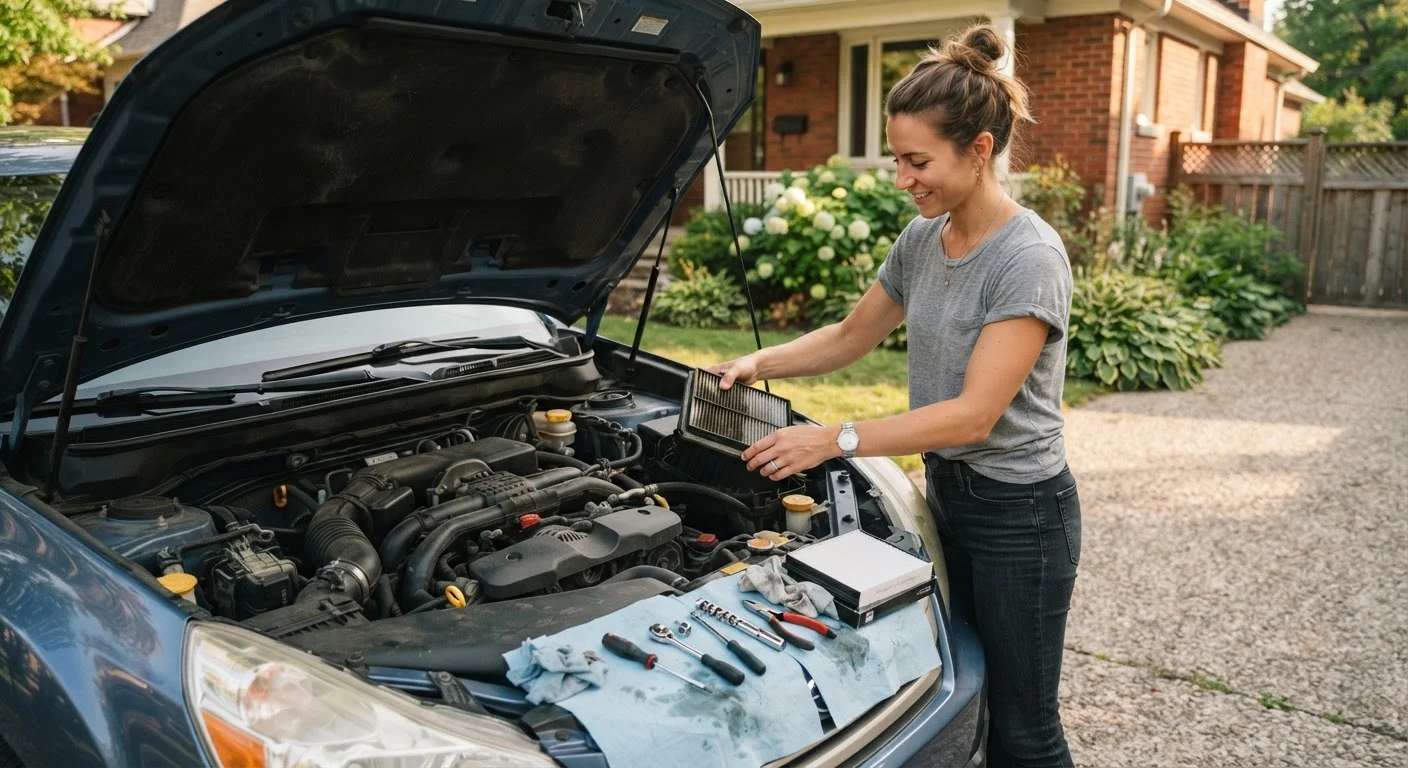
Photo credit: Wiseturt.com | Blogs Curated For You
In this article
A realistic look at the pros and cons of handling routine vehicle upkeep yourself, including the tools, time, and knowledge required.
Key Takeaways
- DIY car maintenance can reduce labor costs on simple tasks like oil changes and air filter swaps.
- You'll need basic tools, a safe workspace, and reliable vehicle-specific information before starting.
- Some tasks-like brake hydraulics or airbag components-should always go to a qualified mechanic.
- Mistakes made at home can create safety hazards or void parts of your vehicle warranty.
- Many drivers find a hybrid approach works best: DIY for simple jobs, shop for complex ones.
Saves money on routine labor costs
Shop labor rates in the US commonly run between $80 and $150 per hour. Simple tasks like an oil change or air filter swap that take a mechanic 20 minutes can cost significantly more at a shop than doing them yourself with purchased supplies.
Builds genuine knowledge of your vehicle
Spending time under the hood helps you recognize what's normal - fluid colors, belt condition, hose firmness - so you spot problems earlier and aren't relying entirely on someone else's assessment.
You control the parts and products used
When you buy your own oil, filters, and fluids, you know exactly what grade and quality went into your car, rather than accepting whatever a shop has in stock.
Convenient scheduling - no appointment needed
Doing maintenance at home means it happens on your timeline, not around shop hours, wait lists, or the need to arrange a ride while your car is being serviced.
Mistakes can create safety or mechanical problems
An oil drain plug not torqued correctly, a brake caliper bolt left loose, or the wrong fluid in the wrong reservoir can cause real damage or create a dangerous driving condition. Errors in safety-critical systems are not always immediately obvious.
Upfront tool costs offset some savings
A decent starter tool set, a floor jack, jack stands, and an oil catch pan can cost $150-$300 or more before you've done a single job. The savings build over time but aren't immediate.
Some tasks require dealer-level equipment
Programming a new key fob, resetting certain warning lights, or diagnosing modern electronic faults often requires a scan tool or proprietary software that isn't practical for home use.
Used oil and filters require proper disposal
Used motor oil is an environmental hazard and can't go in household trash. Many auto parts retailers accept it for recycling, but you're responsible for transporting and disposing of it correctly.
May affect warranty coverage in some circumstances
While federal law (the Magnuson-Moss Warranty Act) generally protects your right to perform your own maintenance without voiding a warranty, documentation matters. Keep receipts for parts used and log what you did and when.
What 'Basic Maintenance' Actually Covers
The term 'basic maintenance' gets used loosely, so it helps to define what it realistically includes for a home mechanic. Tasks that most capable adults can learn to handle include:
- Engine oil and filter changes
- Engine and cabin air filter replacements
- Wiper blade swaps
- Battery terminal cleaning or battery replacement
- Tire pressure checks and rotations (if you have a floor jack and jack stands)
- Topping off fluids such as coolant, windshield washer fluid, and power steering fluid
Tasks like spark plug replacement, brake pad inspection, and checking belt condition require a bit more know-how but are still within reach for a motivated beginner. For a fuller picture of which services tend to get skipped, see often-overlooked maintenance items that deserve attention.
What falls clearly outside basic DIY territory: anything involving the brake hydraulic system, the fuel system under pressure, airbag components, or major suspension work. Those jobs carry real injury risk and typically require specialized equipment. If you're unsure where a specific task falls, a balanced comparison of DIY vs. shop work can help you decide.
What You Actually Need to Get Started
Before touching anything under the hood, you need three things: the right tools, a safe place to work, and accurate information for your specific vehicle.
Tools and Supplies
A basic starter set includes a socket wrench set, combination wrenches, screwdrivers (flathead and Phillips), pliers, an oil drain pan, a funnel, and shop rags. For any work that gets the car off the ground, a hydraulic floor jack and a pair of rated jack stands are non-negotiable - never work under a vehicle supported only by a scissor jack.
A Safe Workspace
A flat, level surface away from traffic is essential. A garage is ideal. Good lighting, fire-safe surfaces if you're working near fuel, and proper disposal bags for used oil and filters are part of working responsibly.
Vehicle-Specific Information
Your owner's manual is the most important document you have. It lists the correct oil viscosity grade, filter specifications, fluid capacities, and service intervals for your exact vehicle. Factory service manuals or reputable online forums for your make and model can fill in the gaps for more involved tasks. Generic YouTube tutorials are a starting point, but always cross-reference with your vehicle's actual specs.
Your Owner's Manual Is the Real Expert
Manufacturer specifications in your owner's manual override general advice found online. Oil viscosity, torque specs, and service intervals are vehicle-specific - what works for one model can be wrong for another. If you've lost your manual, most automakers make digital versions available on their official websites or through the NHTSA database.
Pros of Handling Maintenance Yourself
Saves money on routine labor costs
Shop labor rates in the US commonly run between $80 and $150 per hour. Simple tasks like an oil change or air filter swap that take a mechanic 20 minutes can cost significantly more at a shop than doing them yourself with purchased supplies.
Builds genuine knowledge of your vehicle
Spending time under the hood helps you recognize what's normal - fluid colors, belt condition, hose firmness - so you spot problems earlier and aren't relying entirely on someone else's assessment.
You control the parts and products used
When you buy your own oil, filters, and fluids, you know exactly what grade and quality went into your car, rather than accepting whatever a shop has in stock.
Convenient scheduling - no appointment needed
Doing maintenance at home means it happens on your timeline, not around shop hours, wait lists, or the need to arrange a ride while your car is being serviced.
New drivers building their maintenance habits and high-mileage car owners who want closer oversight of their vehicles tend to benefit most from a DIY approach. For more on what to watch at higher miles, see keeping a high-mileage car road-worthy.
Cons of Handling Maintenance Yourself
Mistakes can create safety or mechanical problems
An oil drain plug not torqued correctly, a brake caliper bolt left loose, or the wrong fluid in the wrong reservoir can cause real damage or create a dangerous driving condition. Errors in safety-critical systems are not always immediately obvious.
Upfront tool costs offset some savings
A decent starter tool set, a floor jack, jack stands, and an oil catch pan can cost $150-$300 or more before you've done a single job. The savings build over time but aren't immediate.
Some tasks require dealer-level equipment
Programming a new key fob, resetting certain warning lights, or diagnosing modern electronic faults often requires a scan tool or proprietary software that isn't practical for home use.
Used oil and filters require proper disposal
Used motor oil is an environmental hazard and can't go in household trash. Many auto parts retailers accept it for recycling, but you're responsible for transporting and disposing of it correctly.
May affect warranty coverage in some circumstances
While federal law (the Magnuson-Moss Warranty Act) generally protects your right to perform your own maintenance without voiding a warranty, documentation matters. Keep receipts for parts used and log what you did and when.
Even experienced home mechanics occasionally run into trouble. If you're newer to car ownership, what new drivers need to know about car maintenance is a practical place to build your baseline before diving into DIY work.
A Realistic Starting Point
The most common mistake first-time DIYers make is starting with a task that's too complex. An oil change is widely recommended as a first project - it's straightforward, the consequences of a mistake are visible before you drive anywhere (check for leaks after), and it immediately shows you where your car's drain plug and oil filter live.
Once you're comfortable with fluid changes, an annual vehicle check-up walkthrough can help you build a structured routine around the whole car. From there, brake pad inspection is a logical next step - even if you ultimately have a shop do the replacement, knowing how to read pad wear yourself is genuinely useful. For background on how that system works, how your braking system actually works breaks it down plainly.
$80-$150/hr
Typical US shop labor rate range
Labor rates vary widely by region and shop type; dealerships generally charge at the higher end of the range compared to independent shops.
3-5 tasks
Common DIY-accessible maintenance jobs
Industry estimates suggest most basic maintenance tasks - oil changes, filters, wipers, batteries - can be completed at home with entry-level tools and patience.
This article provides general vehicle maintenance information for educational purposes. Always consult your owner's manual and, where safety-critical systems are involved, a qualified mechanic before performing any repair or service task.

Author
Auto Editorial Team
Auto Editorial Team is the collective byline for our editorial team and contributor network. Articles published under this byline or an editorial pen name are researched, written, and reviewed according to our editorial standards for clarity, consistency, and independence before publication.
View all articles →