
Why Ignored Car Fluids Become Expensive Problems
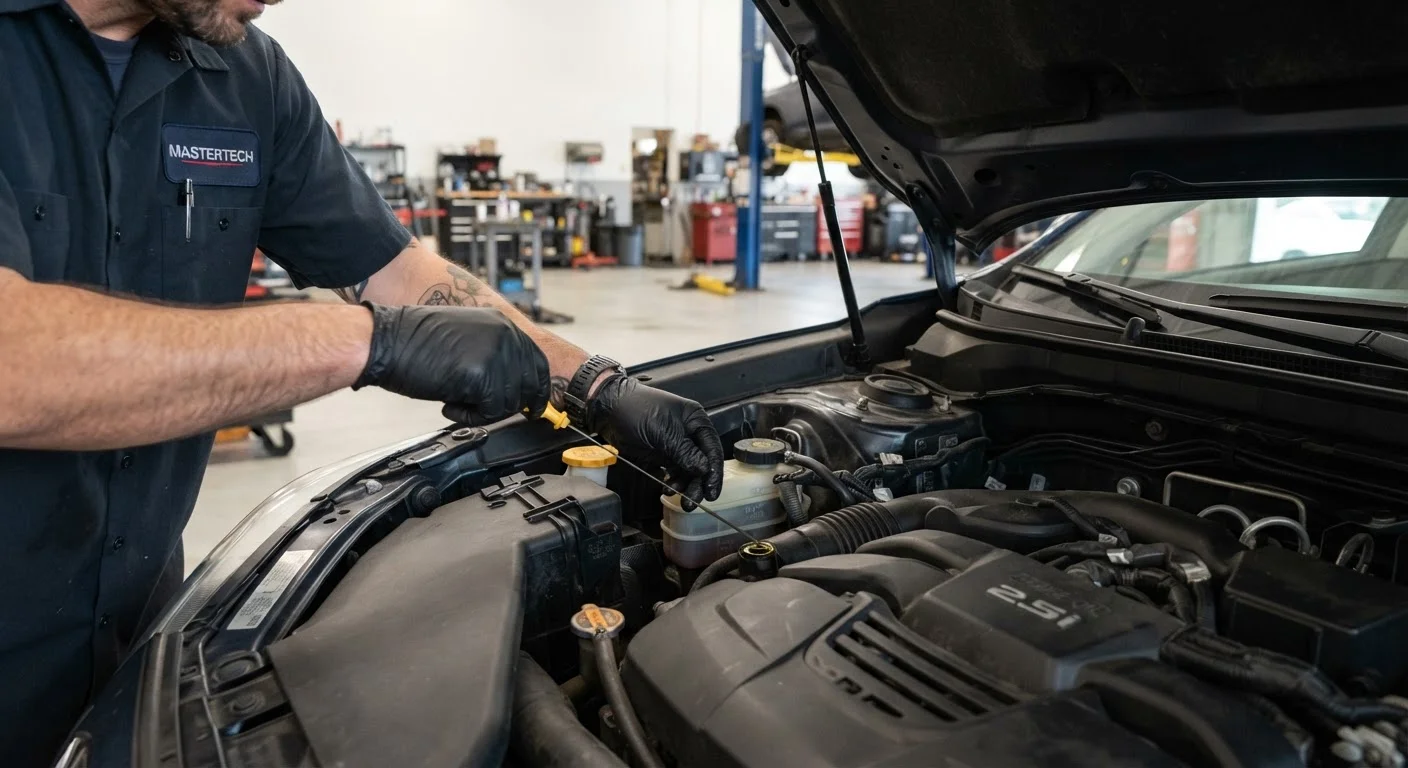
Photo credit: Wiseturt.com | Blogs Curated For You
In this article
Coolant, brake fluid, transmission fluid—learn what each does, when it degrades, and what happens if it's left too long.
Key Takeaways
- Each car fluid has a specific job - when it degrades, the system it protects degrades with it.
- Most fluid failures are silent until they cause expensive component damage.
- Coolant, brake fluid, and transmission fluid all have service intervals that many drivers ignore.
- Checking fluid condition - not just level - is the key habit most drivers miss.
- A qualified mechanic can identify fluid degradation before it becomes a repair bill.
Why Car Fluids Deserve More Attention Than They Get
Most drivers know to change their oil. Far fewer pay consistent attention to the other fluids their car depends on. Coolant keeps the engine from overheating. Brake fluid transmits the force from your foot to the brake calipers. Transmission fluid lubricates hundreds of moving parts inside one of the most expensive assemblies in the vehicle. When any of these fluids degrade or run low, the systems they protect start wearing faster - often without any visible warning until a repair bill arrives.
The pattern here mirrors what happens in other areas of deferred maintenance. Just as small neglected tasks at home escalate into costly repairs, ignored vehicle fluids rarely cause a single dramatic failure - they quietly erode components over months or years. By the time a symptom appears, significant damage may already be done.
$1,000-$6,000+
Typical transmission replacement cost range
Industry repair estimates consistently place automatic transmission replacement among the most expensive single repairs a driver can face, dwarfing the cost of periodic fluid service.
~2 years
Typical brake fluid service interval
Many vehicle manufacturers and independent mechanics recommend testing or replacing brake fluid every one to two years due to its tendency to absorb moisture over time.
The Most Costly Fluid Mistakes - and How to Avoid Them
The mistakes below are the most common reasons fluid neglect turns into expensive repairs. None require mechanical expertise to avoid - they require only awareness and a few minutes of attention at regular intervals.
Checking the oil level but ignoring every other fluid under the hood.
Why it happens: Oil change reminders are everywhere - dashboard lights, sticker on the windshield, service center emails. Other fluids get no such reminder system, so drivers assume they're fine.
Topping off degraded fluid instead of replacing it.
Why it happens: Adding fluid to a low reservoir feels like the problem is solved. It addresses the symptom - low level - without addressing the cause, which is often a slow leak or fluid that's chemically broken down.
Skipping transmission fluid changes on the assumption it's a 'lifetime' fluid.
Why it happens: Some manufacturers originally marketed certain transmission fluids as lasting the life of the vehicle. That claim has been walked back by many independent mechanics and reflects ideal conditions most real-world driving doesn't match.
Ignoring coolant until the temperature gauge climbs into the red.
Why it happens: Coolant is out of sight in a sealed system, so drivers rarely think about it. Overheating feels like an emergency that comes from nowhere - but it rarely does.
Using the wrong fluid type when topping off or replacing.
Why it happens: Fluid jugs look similar on a store shelf, and many drivers don't realize that transmission fluid, power steering fluid, and coolant each come in multiple incompatible formulations.
Brake Fluid Is a Safety Issue
Degraded brake fluid absorbs moisture over time, which lowers its boiling point and can cause brake fade or sudden loss of pedal pressure under hard braking. Unlike other fluids, this isn't just an equipment issue - it directly affects your ability to stop. Have brake fluid tested or replaced on the schedule in your owner's manual, and never delay if a mechanic flags it as overdue.
For a broader look at the services many drivers overlook alongside fluid maintenance, see the underrated maintenance items most drivers overlook. And if your vehicle has significant mileage, guidance on keeping a high-mileage car road-worthy covers which fluid services deserve closer monitoring past 100,000 miles.
Building a Simple Fluid Maintenance Habit
You don't need to become a mechanic to stay on top of this. The most effective approach is to connect fluid checks to something you already do regularly. Checking fluids every time you fill the gas tank - or once a month - puts eyes on potential problems before they develop. Seasonal maintenance is another natural checkpoint: temperature extremes affect fluid performance in ways worth knowing about, particularly for coolant and brake fluid in cold climates.
When you bring your car in for an oil change, ask the technician to check the condition of other fluids at the same time. Most shops will do this as part of a multi-point inspection. For context on what that oil service actually involves and why it matters, understanding what an oil change does and doesn't cover helps set realistic expectations. The goal isn't perfection - it's staying informed enough that small maintenance tasks don't silently become large repair costs.
This article is for general informational purposes only. Always consult a qualified mechanic for vehicle-specific advice, and follow the maintenance schedule in your owner's manual.

Author
Auto Editorial Team
Auto Editorial Team is the collective byline for our editorial team and contributor network. Articles published under this byline or an editorial pen name are researched, written, and reviewed according to our editorial standards for clarity, consistency, and independence before publication.
View all articles →