
Oil Changes: What Every Driver Should Actually Know
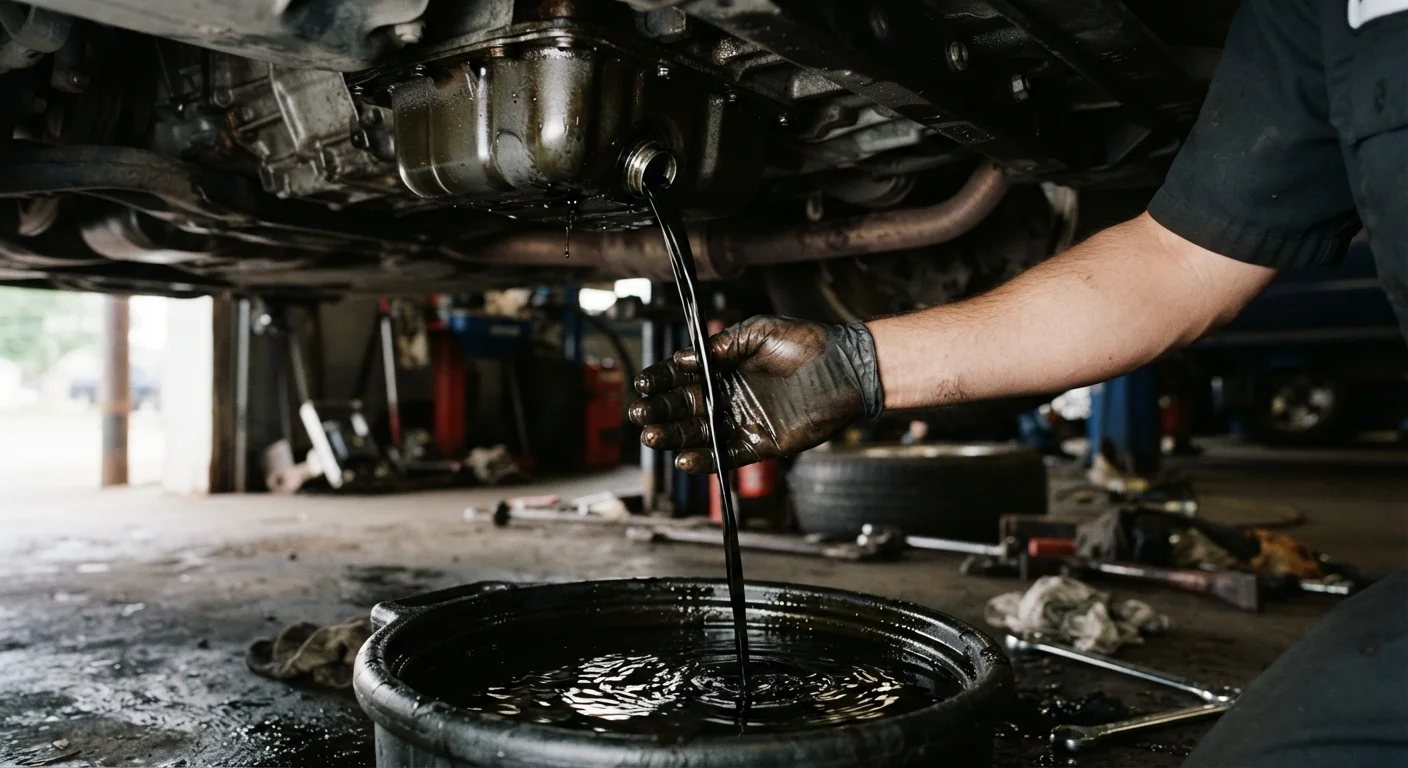
Photo credit: Wiseturt.com | Blogs Curated For You
In this article
Understand oil change intervals, oil types, and why skipping this service can lead to costly engine damage over time.
Key Takeaways
- Oil change intervals vary by vehicle and oil type - check your owner's manual, not just the old 3,000-mile rule.
- Conventional, synthetic blend, and full synthetic oils differ in performance, longevity, and cost.
- Skipping oil changes causes sludge buildup that can permanently damage engine components.
- Your oil change interval may be shorter if you drive in severe conditions like stop-and-go traffic or extreme heat.
- Most modern vehicles have an oil life monitoring system that helps take the guesswork out of timing.
Why Engine Oil Matters More Than Most Drivers Realize
Your engine contains hundreds of metal parts moving against each other at high speed. Without a constant film of oil between them, those surfaces would grind, overheat, and fail within minutes. Oil does far more than just lubricate - it also absorbs heat, suspends microscopic debris, and helps prevent corrosion inside the engine.
The problem is that oil doesn't last forever. Heat cycles, combustion byproducts, and accumulated contaminants gradually degrade it. Fresh oil is typically amber-colored and flows smoothly; heavily used oil turns dark and thick. At some point, it stops protecting your engine adequately - and that's when damage begins.
For a broader look at how fluids throughout your vehicle degrade over time, see why ignored car fluids become expensive problems.
5,000-10,000 mi
Typical modern oil change interval
Most manufacturer-recommended intervals for vehicles using full synthetic oil, per owner's manual guidance across major automakers.
$4,000+
Average engine replacement cost
Engine replacement - often the end result of prolonged oil neglect - can run well into the thousands, varying widely by vehicle make and labor rates.
3
Main oil types drivers choose from
Conventional, synthetic blend, and full synthetic each offer different performance and longevity trade-offs depending on the vehicle and driving conditions.
Oil Types: Conventional, Synthetic Blend, and Full Synthetic
Walk into any auto parts store and you'll see shelves full of oil options. The three main categories are:
- Conventional oil: Refined directly from crude oil. It works well in older or simpler engines under normal conditions, but it breaks down faster than synthetic alternatives.
- Synthetic blend: A mix of conventional and synthetic base oils. It offers better performance and longevity than pure conventional oil, often at a more accessible price point than full synthetic.
- Full synthetic: Engineered at a molecular level for maximum stability, performance in temperature extremes, and longer service life. Required by some modern high-performance or turbocharged engines.
The label on the oil also shows a viscosity rating like 5W-30 or 0W-20. The number before the "W" (which stands for winter) indicates how the oil flows in cold temperatures; the number after shows its thickness at operating temperature. Always use the viscosity your manufacturer specifies - it's listed in your owner's manual.
Match the Oil to Your Engine, Not the Ad
Marketing claims on oil bottles can be persuasive, but your owner's manual is the only source that matters for viscosity and type. If your manual specifies 0W-20 full synthetic, that's what your engine is designed around. Using a heavier viscosity won't add protection - it can actually reduce oil flow to tight engine tolerances.
How Often Should You Change Your Oil?
The old "every 3,000 miles" guideline is outdated for most modern vehicles. It originated when conventional oil and older engine tolerances were the norm. Today, many manufacturer-recommended intervals fall between 5,000 and 10,000 miles, and some full synthetic recommendations extend even further.
The most reliable source for your vehicle's specific interval is the owner's manual - not a sticker on your windshield, not a neighbor's advice. Many newer vehicles also include an oil life monitoring system that calculates remaining oil life based on actual driving patterns, not just mileage. When that indicator triggers, it's time to schedule service.
Driving conditions also matter. Frequent short trips, heavy towing, mountainous terrain, or extreme climates all put extra stress on engine oil. Manufacturers typically publish a "severe service" schedule alongside the standard one - check whether your driving habits qualify. The maintenance schedule section of your owner's manual explains exactly how to find and read these intervals.
What Happens When Oil Changes Are Skipped
Neglecting oil changes doesn't cause immediate, dramatic failure - it causes gradual, invisible damage that compounds over time. As oil degrades, it loses viscosity and begins to oxidize, eventually forming engine sludge: a thick, tar-like deposit that coats internal components and restricts oil flow.
Sludge can block the narrow passages that deliver oil to critical parts like camshafts, valve train components, and main bearings. Without adequate lubrication, those parts wear prematurely. In severe cases, an engine can seize - meaning it stops functioning entirely. Rebuilding or replacing an engine is one of the most expensive repairs a car can require.
Even short of outright failure, oil-starved engines run hotter, consume more fuel, and produce more emissions. If your oil pressure warning light illuminates while driving, pull over safely and have the vehicle inspected before driving further.
Putting It All Together: Simple Habits That Protect Your Engine
Oil maintenance doesn't have to be complicated. A few consistent habits go a long way:
- Know your interval: Look it up in your owner's manual and set a reminder - by mileage or calendar date, whichever comes first.
- Check the dipstick periodically: A quick level check between changes can catch low oil before it causes harm. Low oil level between changes may also signal a leak or burning issue worth investigating.
- Use the right oil: Stick to the viscosity and type your manufacturer specifies. Upgrading to synthetic is generally acceptable if your manual permits it, but don't use the wrong viscosity.
- Keep records: A simple log of service dates and mileage helps you stay on schedule and can support a vehicle's resale value.
If your vehicle has passed the 100,000-mile mark, oil maintenance becomes even more important - see keeping a high-mileage car road-worthy for guidance specific to older vehicles. And if you're new to car ownership, what new drivers need to know about keeping a car maintained covers the broader maintenance picture in plain terms.
“The single most important thing you can do to extend the life of an engine is maintain clean oil. It's not glamorous advice, but no other service delivers as much protection per dollar.”
— ASE-Certified Master Technician, Automotive service professional with over 20 years of engine diagnostics experience
Frequently Asked Questions

Author
Auto Editorial Team
Auto Editorial Team is the collective byline for our editorial team and contributor network. Articles published under this byline or an editorial pen name are researched, written, and reviewed according to our editorial standards for clarity, consistency, and independence before publication.
View all articles →