
Tire Rotation and Wheel Alignment: What Each Service Does
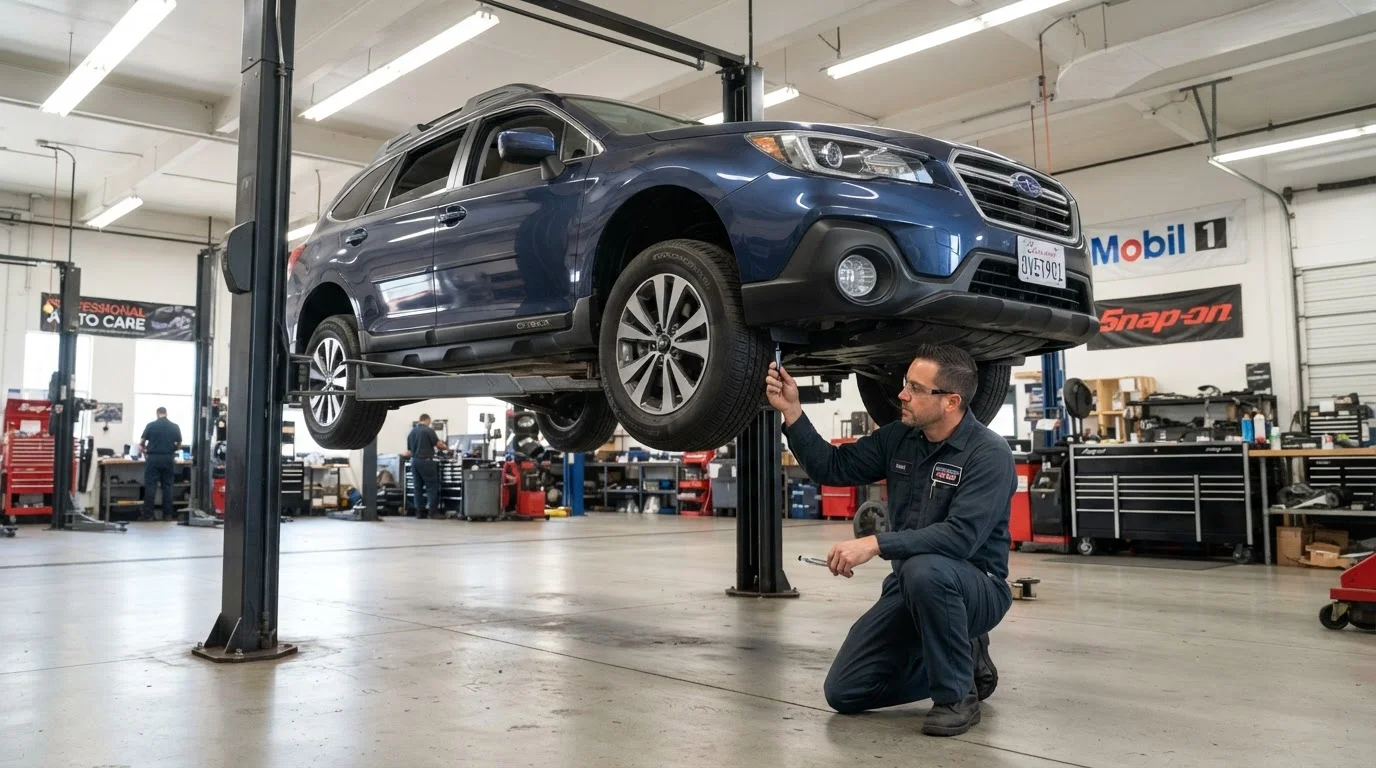
Photo credit: Wiseturt.com | Blogs Curated For You
In this article
Two commonly confused services explained side by side—what they involve, why each matters, and how often drivers need them.
Key Takeaways
- Tire rotation moves tires between positions; alignment adjusts the angles at which tires contact the road.
- Rotation is typically recommended every 5,000-7,500 miles; alignment intervals vary more by driving conditions.
- Skipping either service can lead to uneven tire wear and shortened tire lifespan.
- Alignment problems can also affect steering feel and fuel efficiency.
- Both services are distinct-getting one does not replace the need for the other.
What Tire Rotation Actually Involves
Your car's tires don't wear at the same rate. Front tires handle steering loads and, on front-wheel-drive vehicles, also deliver engine power-so they tend to wear faster than the rears. Tire rotation moves each tire to a different position on the vehicle according to a specific pattern (front-to-rear, side-to-side, or diagonally, depending on the vehicle and tire type). The goal is to average out wear across all four tires so no single tire degrades much faster than the others.
Most vehicle manufacturers and tire makers suggest rotating tires roughly every 5,000 to 7,500 miles, though your owner's manual is the authoritative source for your specific vehicle. Check the maintenance schedule section of your owner's manual for the interval that applies to your car. Many drivers time rotation with oil changes to keep it simple. The service itself doesn't require any specialized calibration equipment-a shop simply unmounts and remounts tires in the prescribed pattern.
Consistent rotation matters because tires that wear unevenly may need replacement well before their rated mileage. Uneven wear also affects handling and wet-weather traction. See our guide on tire pressure facts for related context on how inflation interacts with wear.
What Wheel Alignment Actually Involves
Alignment is about geometry, not position. Your suspension is designed so tires contact the road at very specific angles-described by measurements called camber (the vertical tilt of the tire), toe (whether the fronts of the tires point inward or outward), and caster (the angle of the steering axis). When these angles drift out of spec-from potholes, curb impacts, worn suspension parts, or simple time-the tires no longer sit correctly against the road surface.
An alignment service uses a precision rack and laser or camera-based sensors to measure all these angles and then adjusts them back to manufacturer specifications. It typically takes 30-60 minutes at a qualified shop. Unlike rotation, alignment requires specialized equipment and training; it's not a DIY task for most drivers. Our article on DIY maintenance vs. taking your car to a shop explains which services fall into which category.
Alignment doesn't follow a rigid mileage interval the way rotation does. Many mechanics recommend checking it annually or after any significant impact. Telltale signs it's needed: the car drifts to one side on a flat, straight road; the steering wheel sits crooked when you're driving straight; or tires show wear concentrated on one edge.
| Criterion | Tire Rotation | Wheel Alignment |
|---|---|---|
| What it changes | Position of each tire on the vehicle | Angles at which tires meet the road |
| Typical interval | Every 5,000-7,500 miles | Annually or after hard impacts |
| Primary benefit | Even tread wear across all four tires | Correct steering and reduced edge wear |
| Equipment needed | Lift and basic tools | Specialized alignment rack and sensors |
| Key warning signs | Front tires wearing faster than rear | Car pulling to one side; crooked steering wheel |
| DIY feasibility | Possible with proper tools and knowledge | Requires shop equipment; not practical at home |
How the Two Services Relate-and When You Need Both
Rotation and alignment are complementary, not interchangeable. Rotating misaligned tires will spread wear around, but all four tires will still wear abnormally if the underlying geometry problem isn't fixed. Conversely, aligning a car whose tires are already unevenly worn can correct the angles but won't undo the wear that's already happened.
The practical takeaway: if your tires show a specific wear pattern-feathering (scalloped edges), one-sided wear, or cupping-have a mechanic inspect both alignment and rotation history before assuming which service is responsible. Seasonal driving changes, like navigating winter potholes or changing to seasonal tires, are also good prompts to verify alignment hasn't shifted.
85%
Of premature tire failures linked to improper maintenance
According to the National Highway Traffic Safety Administration (NHTSA), the majority of tire failures involve factors like inflation and maintenance neglect rather than manufacturing defects.
~$50-$100
Typical cost range for a four-wheel alignment
Alignment pricing varies by region, vehicle type, and shop; this range reflects a general estimate for a standard passenger vehicle at a US repair shop.
Neither service is a substitute for the other, and neither replaces other routine maintenance. For a broader view of what else tends to get overlooked, see the maintenance items most drivers overlook.

Author
Auto Editorial Team
Auto Editorial Team is the collective byline for our editorial team and contributor network. Articles published under this byline or an editorial pen name are researched, written, and reviewed according to our editorial standards for clarity, consistency, and independence before publication.
View all articles →